


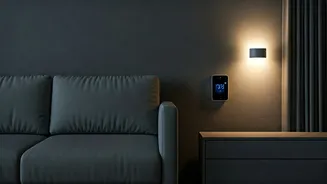
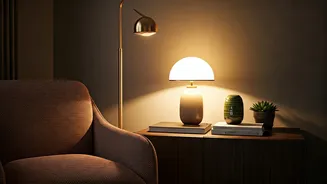


Beyond the On/Off Switch
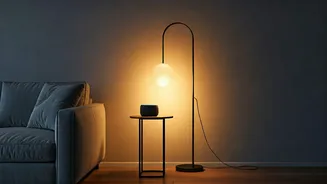
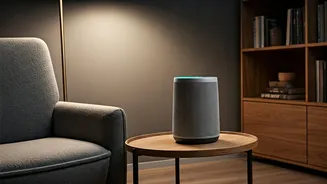
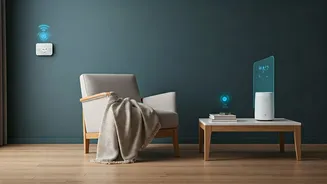
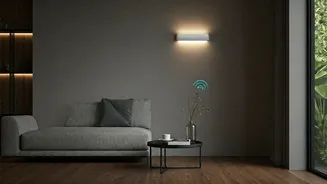
At its core, smart lighting is about control. It’s a system of LED bulbs, strips, and fixtures that connect to your Wi-Fi network, allowing you to manage them through a smartphone app or a smart speaker. But this isn't just about the convenience of turning
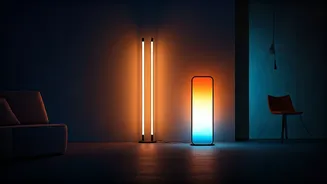
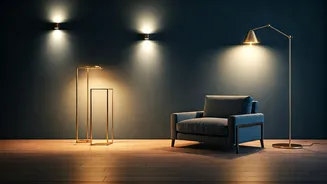
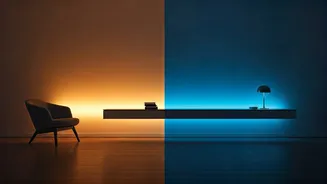
off a light from your couch. The real magic lies in moving beyond simple brightness. Smart systems give you granular control over two key elements: color temperature and color itself. Color temperature lets you shift from the energizing, blue-toned light of a crisp morning to the warm, amber glow of a candlelit dinner. Full-color bulbs open a palette of millions of hues, letting you add a splash of magenta for a party or a soothing deep blue to help you unwind. When you combine this control, you’re no longer just illuminating a room; you’re designing an experience.
Scene 1: The Productivity Zone
Think about the lighting in a modern office or a library—it’s typically bright and cool-toned for a reason. Studies have shown that cooler, blue-heavy light (around 4000K-5000K on the Kelvin scale) can increase alertness and focus. With a smart lighting setup in your home office or a corner of your living room, you can create a “Focus” scene. With a single tap or a voice command like, “Hey Google, it’s time to work,” your lights can shift to a crisp, bright white. This not only helps you see your work more clearly but also sends a psychological cue to your brain that it’s time to be productive. When the workday is done, another command can transition the room back to a more relaxed, residential feel, creating a clear boundary between your work life and home life, even if they happen in the same space.
Scene 2: The Wind-Down Sanctuary
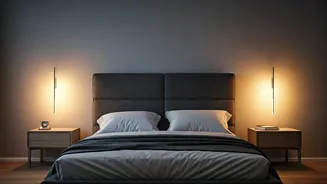
We spend our days staring at screens that blast our eyes with blue light, which can disrupt our natural sleep cycles. Smart lighting offers a powerful antidote. You can program a “Wind-Down” or “Evening” scene that automatically activates an hour or two before bed. This scene would dim the lights and shift them to a very warm, almost orange-hued temperature (around 2200K-2700K), mimicking a sunset. This gentle, warm illumination reduces strain on your eyes and signals to your body that it’s time to start producing melatonin and prepare for sleep. It transforms your living room or bedroom from a bright, functional space into a cozy, restorative sanctuary, helping you disconnect from the day’s stresses and ease into a restful night.
Scene 3: The Entertainment Hub
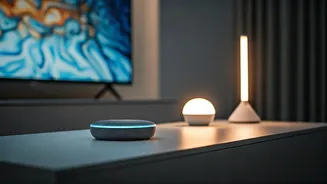
This is where smart lighting truly gets to show off. For movie nights, forget simply turning the lights off. Create a “Cinema” scene that dims the main lights to 10% but activates a subtle blue or purple glow from a light strip behind your TV. This technique, known as bias lighting, reduces eye strain and makes the colors on screen appear richer and more vibrant. Hosting a get-together? Some systems can sync with music, turning your living room into a private light show that pulses with the beat. For game nights, you can theme the room with your team’s colors. This level of dynamic atmosphere was once the exclusive domain of theaters, concert venues, and bars; now, it’s available in any room with a few smart bulbs.
Getting Started Without the Overwhelm
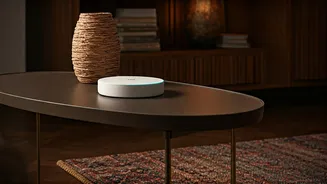
The idea of outfitting an entire house can seem daunting and expensive, but you don’t have to. The best way to start is small. Pick one room or even one lamp. A great entry point is a starter kit from a major brand like Philips Hue or Wyze, which often includes two or three bulbs and the necessary hub or bridge. Place them in your living room reading lamp or your bedside tables. Spend a week playing with the app. Experiment with different shades of white for reading, create a warm scene for watching TV, and see how it changes the feel of the room. Once you understand the impact in one area, you’ll start seeing the potential everywhere else, from under-cabinet kitchen lighting to accent lights that highlight artwork.