


From Humble Roots to Hipster Cred
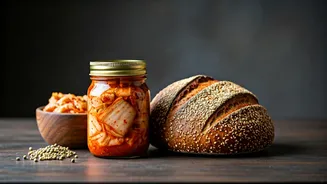
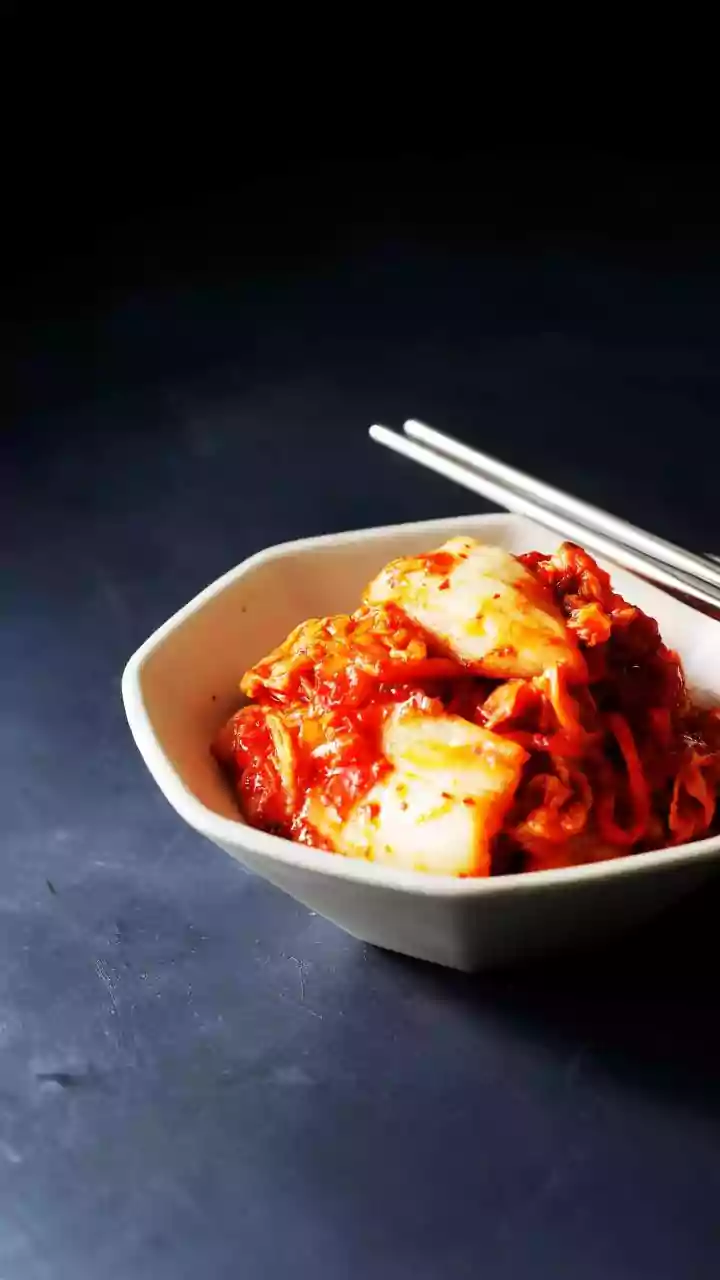
For millennia, fermentation was simply a fact of life—a clever, low-tech way to preserve food before the advent of refrigeration. Cabbage was turned into tangy sauerkraut to last through harsh European winters. In Korea, families gathered to make kimchi,
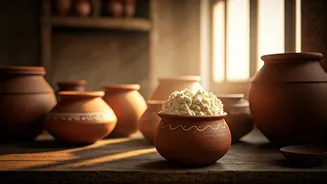
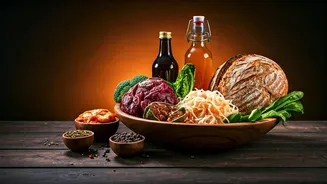
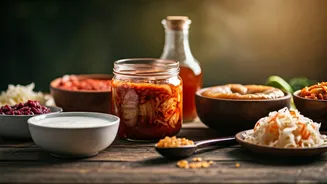
a spicy, pungent staple that could be stored in clay pots underground. These weren't health fads; they were survival tactics. The process is beautifully simple: microorganisms like yeast and bacteria break down the sugars in food, creating lactic acid, alcohol, and other compounds that not only preserve the food but also transform its flavor. What’s old is now new again, but with a decidedly modern twist. That jar of sauerkraut on a Brooklyn deli shelf isn't just a condiment anymore; it's artisanal, small-batch, and probably costs more than a steak.
The Gut-Health Gospel
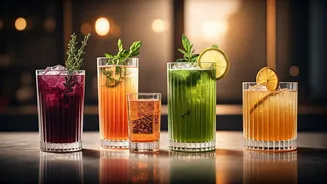
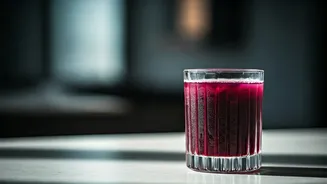
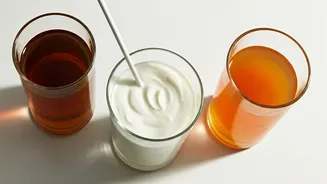
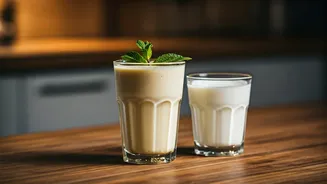
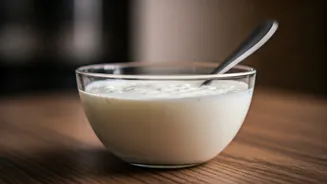
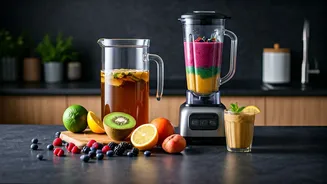
So, why the sudden obsession? It comes down to one word: microbiome. In the last decade, the teeming ecosystem of bacteria, fungi, and viruses living in our digestive tract has gone from a medical curiosity to a wellness buzzword. We now understand that this 'second brain' can influence everything from our mood and immune system to our metabolism. Fermented foods are naturally rich in probiotics—the 'good' bacteria that help support a healthy and diverse gut microbiome. While the science is still evolving and no single food is a miracle cure, the connection is compelling enough to have launched a billion-dollar industry. People aren’t just eating yogurt anymore; they’re drinking kefir, a fermented milk drink, and kombucha, a fizzy, vinegary tea, in the hopes of cultivating their inner garden. It’s a tangible way for people to feel like they are taking active control of their internal health.
More Than a Food, It's a Hobby
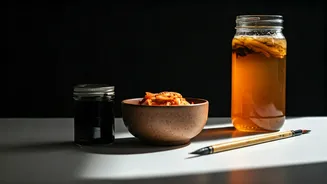
The real 'flex' of the fermentation trend isn't just buying a pricey bottle of kombucha; it's making it yourself. The pandemic famously turned legions of locked-down Americans into sourdough bakers, nurturing their precious 'starters' like fussy houseplants. That was just the beginning. Today, a thriving DIY culture has sprung up around fermentation. It’s a hobby that requires patience, a little bit of science, and a willingness to embrace the wonderfully weird. People trade kombucha 'SCOBYs' (the symbiotic culture of bacteria and yeast) like baseball cards. They attend workshops to perfect their kimchi recipe. They proudly display their bubbling jars of pickles and kraut on Instagram. This isn't just cooking; it's a craft. It’s a tangible, analog activity in a world that feels increasingly digital and detached. Nurturing something living and transforming it into delicious food provides a unique sense of accomplishment.
The Ultimate Wellness 'Flex'
Ultimately, the rise of fermentation is about more than just gut health or a fun hobby. It has become a powerful form of social signaling. In a culture saturated with wellness trends, making your own ferments is the ultimate flex. It says several things about you at once. It says you’re health-conscious, but in an authentic, 'back-to-the-earth' way, not a commercial, pre-packaged one. It says you value tradition and craft over convenience. It says you have the time, knowledge, and patience to engage in a slow, natural process. A bubbling jar of homemade kombucha on your counter is a subtle declaration that you have your life together. It’s a status symbol that can’t be bought, only cultivated. It's the edible equivalent of a meditation practice—a quiet, consistent, and visible commitment to a better way of living.