




So, What Is a Low-Impact Stay?
Not long ago, a travel 'flex' was unambiguous: a first-class airline ticket, a sprawling suite at a five-star hotel, or a shopping spree on a foreign avenue. Today, that kind of conspicuous consumption is starting to look a little dated. The new currency
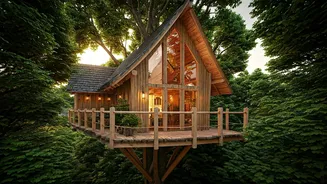
of cool in travel is consciousness. A low-impact stay is a trip centered on minimizing your environmental footprint and maximizing your positive social contribution. This goes far beyond simply reusing your hotel towel. It’s about choosing accommodations built with sustainable materials, powered by renewable energy, and committed to zero-waste policies. It’s about eating at restaurants that source ingredients from their own gardens or local farms, reducing food miles to mere feet. More importantly, it encompasses a philosophy of 'regenerative travel'—the idea of leaving a place better than you found it, whether by participating in a beach cleanup, staying at a lodge that funds a local conservation project, or simply by spending your tourist dollars with businesses owned and operated by the local community.
From Luxury to Legacy
What’s driving this significant shift? It’s a perfect storm of climate anxiety, a post-pandemic hunger for authenticity, and the ever-present influence of social media. For younger generations like Millennials and Gen Z, who have grown up with the climate crisis as a constant backdrop, the ethics of travel are no longer a niche concern. A 2023 report from Booking.com found that 76% of global travelers want to travel more sustainably over the next year. This isn't just about altruism; it’s about identity. In a world saturated with generic luxury, a unique, sustainable experience has become the new marker of a life well-lived. It signals that you are not just a consumer, but a thoughtful participant in the world. The narrative has shifted. The flex is no longer, “Look at this expensive thing I bought,” but rather, “Look at this meaningful experience I had, and look at the good it did.” It’s a quiet revolution, turning the travel brag from a showcase of wealth into a testament of values.
The Anatomy of the New Flex
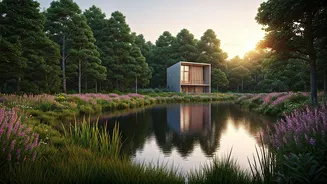
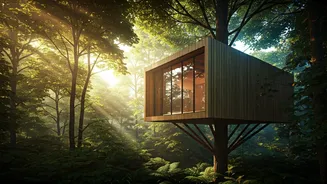
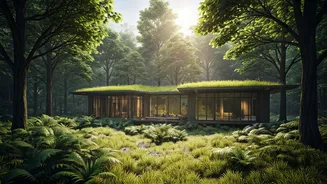
So, what does this new flex look like in practice on your Instagram feed? It’s less about the perfectly staged champagne flute and more about the beautifully imperfect details of a conscious journey. It’s a photo of a rustic, farm-to-table meal, with a caption explaining that the vegetables were picked from the on-site garden that morning. It’s a video of a guided nature walk with a local biologist, learning about the fragile ecosystem the hotel is helping to protect. It might be a shot of a minimalist cabin in the woods, with a note about its off-grid solar power and water-recycling system. It’s the story of volunteering for a few hours at the sea turtle rehabilitation center affiliated with your resort. These posts are designed to communicate a deeper level of engagement. They show effort, intention, and a connection to place that an all-inclusive mega-resort simply can’t offer. The status isn't in the price tag, but in the story and the impact.
How to Find Your Low-Impact Getaway
Joining the low-impact travel movement doesn't require you to trek into the wilderness with nothing but a compass and good intentions. The industry is rapidly adapting, making it easier than ever to find sustainable options. Start by looking for certifications. B Corp, LEED, and Green Globe are all respected seals of approval that verify a business's commitment to high environmental and social standards. Use keywords in your search like 'agritourism,' 'ecolodge,' 'regenerative travel,' or 'community-based tourism.' Don’t be afraid to ask questions before you book. Inquire about a hotel’s waste management, water conservation, and local hiring practices. A truly sustainable property will be proud to share this information. Ultimately, the goal is to think like a local, not just a tourist. Choose small, independent businesses over international chains. Eat where the locals eat. Buy souvenirs directly from the artisans who make them. Every dollar spent is a vote for the kind of tourism you want to see in the world.