




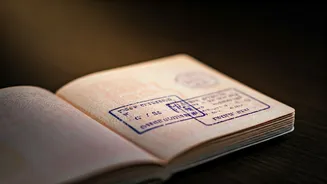
The Visa Hurdle You've Never Considered
If you hold a U.S. passport, you probably think of international travel in terms of flight prices and hotel bookings. For many others, the biggest hurdle is the visa. The Indian passport, while steadily gaining strength, still requires its holder to navigate
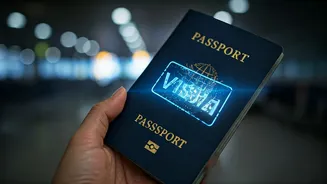
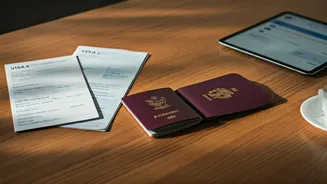
a bureaucratic maze for entry into most Western nations. Applying for a visa to the U.S. or Europe can involve piles of paperwork, proof of financial stability, non-refundable fees, and long waits for an appointment, with no guarantee of approval. This process is the antithesis of the spontaneity that defines Gen Z travel. They don't want to plan a trip six months in advance and cross their fingers. They want to see a reel on Instagram, book a flight with friends, and go. This is where visa-on-arrival (VOA) or visa-free policies become a game-changer. These policies eliminate the uncertainty and friction, turning a potential bureaucratic nightmare into a simple transaction at the destination's airport.
Meet India's New Globetrotter
India’s Gen Z (born roughly between 1997 and 2012) is a demographic unlike any before it. As the children of India's post-liberalization economic boom, many have more spending power and a more global outlook than their parents did at the same age. They are digitally native, their travel aspirations shaped not by guidebooks but by a constant stream of content from travel influencers on Instagram and YouTube. They crave authentic experiences, vibrant nightlife, stunning landscapes, and, crucially, affordability. This generation values experiences over assets and is eager to explore the world. However, they are also practical. Why spend weeks and hundreds of dollars trying to get a visa for one country when you can book a ticket to another and be on a beach by the weekend? The answer is clear, and their booking patterns reflect it.
The Southeast Asian Red Carpet
Destinations in Southeast Asia have become the primary beneficiaries of this trend. Countries like Thailand, Vietnam, Indonesia, and Malaysia have recognized the enormous potential of India's outbound tourism market and have made it incredibly easy for Indians to visit. Thailand, for example, has frequently offered visa-free schemes, leading to a massive surge in Indian tourists. These destinations offer the perfect trifecta for Indian Gen Z: easy access, low cost, and high 'Instagrammability.' A trip to Vietnam offers dramatic limestone karsts in Ha Long Bay and bustling city life in Hanoi. Indonesia presents the spiritual calm and stunning beaches of Bali. Malaysia offers a blend of futuristic cityscapes in Kuala Lumpur and pristine nature. These aren't just consolation prizes; they are world-class destinations that happen to be affordable and accessible, making them a smarter, more efficient choice for a generation that values time and ease.
More Than Just a Vacation
This shift is more than just a travel trend; it's a reflection of a changing world order. As Western countries maintain complex visa barriers, other nations are capitalizing by simplifying entry for the world's largest population. For tourism-dependent economies, attracting the burgeoning Indian middle class is a strategic imperative. They are actively courting these travelers with targeted marketing and seamless travel policies. For the young Indians taking these trips, the impact is profound. Easy, frequent international travel builds confidence, fosters a global perspective, and dismantles the notion that seeing the world is a privilege reserved for a select few. It's a quiet revolution of aspiration meeting opportunity, where the biggest 'win' is the freedom to explore on their own terms.