



Swapping Zoom Backgrounds for Reality
The era of remote work has untethered millions of Americans from their physical offices, sparking a revolution in where and how we work. While some have opted for a new city or a move to the suburbs, an adventurous few are pushing the boundaries much
further. The latest destination captivating the imagination of the laptop-and-a-passport crowd isn't a bustling European capital or a Bali beach, but the serene, rolling hills of Chikmagalur, a district in the Indian state of Karnataka. Here, a unique trend is taking root: remote workers are setting up shop for weeks or months at a time in family-run homestays nestled within sprawling coffee estates. It’s a move that transforms the concept of work-life balance into something closer to work-life integration, blending productivity with a deep dive into nature and local culture.
Welcome to India's Coffee Country
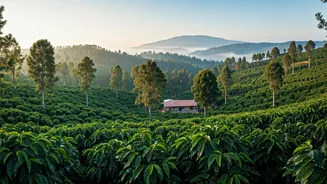
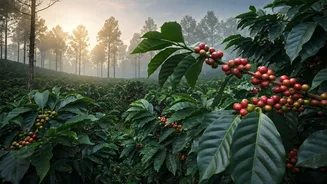
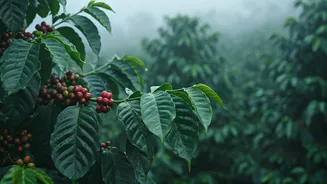
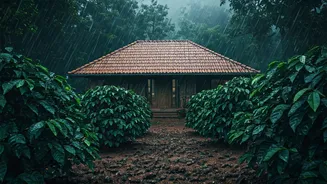
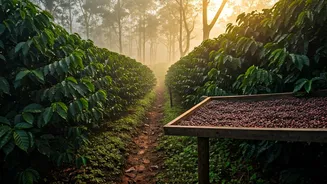
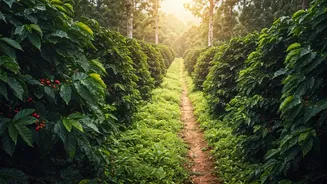
For many Americans, Indian geography might conjure images of the Taj Mahal or the crowded streets of Mumbai. Chikmagalur offers a different vision entirely. Known as the 'Land of Coffee,' this is where coffee was first cultivated in India in the 17th century. Part of the Western Ghats, a UNESCO World Heritage Site and one of the world’s most important biodiversity hotspots, the region is a tapestry of misty mountains, dense forests, and meticulously maintained coffee plantations. The landscape is perpetually green, punctuated by the white of coffee blossoms or the red of ripening cherries, depending on the season. This isn't just a scenic backdrop; it's an immersive environment that feels worlds away from the relentless pace of American corporate life, offering a quietude that many find incredibly conducive to deep work and creative thinking.
A Day in the Life on the Estate
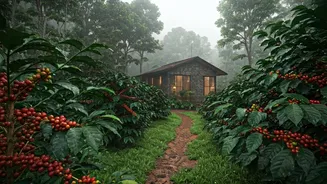
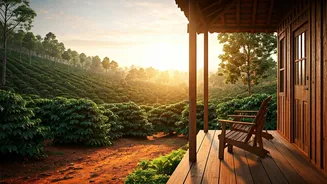
The routine at a coffee estate homestay is defined by a gentle, natural rhythm. Mornings often begin on a porch overlooking rows of Arabica and Robusta plants, a cup of estate-grown coffee in hand. The quiet hours of the morning are perfect for focused work, with the soundtrack of birdsong replacing city traffic. Surprisingly, connectivity is often a non-issue. Recognizing the needs of their new clientele, many homestay owners have invested in reliable high-speed internet. After a productive work session, the afternoon might be spent walking the winding paths of the plantation with the owner, learning to distinguish different types of coffee beans, or simply reading a book. Evenings are for home-cooked meals, often featuring the distinct flavors of the local Malnad cuisine, shared with the host family. It's a far cry from a sterile hotel experience; it’s about connection—to the place, the people, and the process behind your morning brew.
The Practical Side of Paradise
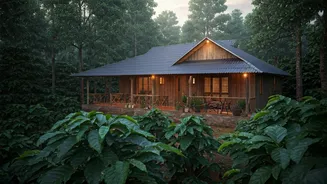
While the dream is compelling, the logistics are surprisingly manageable. For U.S. citizens, India offers an e-Tourist visa that allows for stays of up to 90 days, suitable for a seasonal work-from-anywhere stint. The cost of living is a major draw; a comfortable stay, including meals, can cost a fraction of the rent in a major U.S. city. The best time to visit is from September to May, avoiding the heavy monsoon season. The key is finding the right homestay. These aren't just Airbnb listings; they are often the homes of third or fourth-generation planters who offer a handful of rooms to guests. The experience is intimate and authentic, built on the host's hospitality. Choosing a place that explicitly caters to longer-stay remote workers ensures you'll have the infrastructure you need, like a dedicated workspace and solid Wi-Fi.
Beyond the Laptop Screen
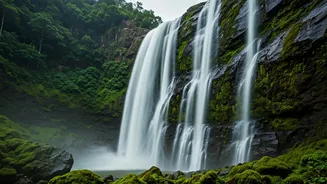
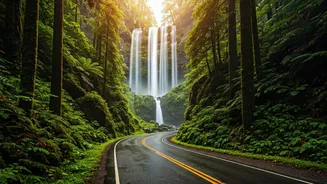
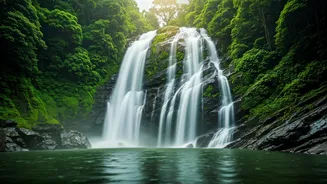
The appeal of Chikmagalur extends far beyond the boundaries of the coffee estate. It’s a base for adventure and exploration. Weekends can be filled with treks to some of the highest peaks in Karnataka, like Mullayanagiri, offering panoramic views of the entire region. The area is dotted with spectacular waterfalls, ancient temples, and the Bhadra Wildlife Sanctuary, where one might spot elephants, leopards, and countless species of birds. This blend of tranquil productivity during the week and accessible adventure on the weekends is the core of the trend's appeal. It’s not an escape from life, but an enrichment of it, proving that a demanding job and a soul-stirring experience don't have to be mutually exclusive.