





The Challenge: A Perfect Storm
India's cities are expanding at a breathtaking pace. By 2030, an estimated 600 million people—nearly twice the entire U.S. population—will live in its urban centers. This explosion creates a daunting logistical puzzle: how do you get fresh, healthy food
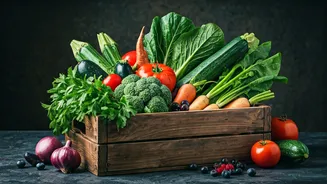
to everyone? Traditional agriculture is struggling to keep up. Supply chains are long and inefficient, leading to spoilage, price volatility, and a heavy carbon footprint. Produce travels hundreds of miles, often losing nutritional value and getting exposed to pollutants along the way. Furthermore, conventional farming is water-intensive and reliant on pesticides, creating environmental pressures that India can ill afford. For the average city dweller in Bengaluru or Hyderabad, the lettuce in their salad has been on a long, costly, and often contaminated journey.
The Solution: Farming Goes Vertical
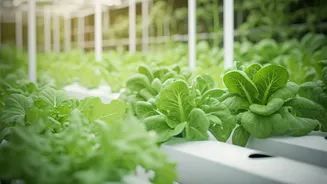
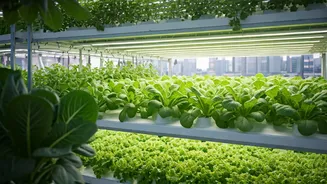
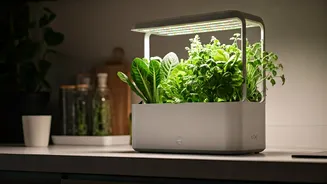
Enter the new pioneers: a wave of agritech startups and entrepreneurs who are radically rethinking the farm. Instead of planting out, they are building up. Using technologies like hydroponics (growing plants in nutrient-rich water) and aeroponics (misting roots with nutrient solutions), these urban farmers are creating highly controlled, soil-free environments inside cities. Companies are converting abandoned warehouses, rooftops, and even shipping containers into high-yield vertical farms. In these climate-controlled spaces, they can grow leafy greens, herbs, and vegetables year-round, regardless of weather or season. By locating the farm within the city, they slash transportation costs and delivery times, often getting produce from harvest to consumer in a matter of hours, not days.
More Than Just Food
The 'green' in this revolution is about more than just the color of the lettuce. It represents a fundamental shift in resource management. Vertical farms use up to 95% less water than traditional field farming, a critical advantage in a country facing severe water stress. Because the environment is sealed and controlled, there is no need for chemical pesticides or herbicides, resulting in cleaner, safer food. This model also builds resilience. As climate change brings more unpredictable weather patterns, from droughts to floods, indoor urban farms offer a stable, reliable source of food that is immune to external shocks. It’s a move from a fragile, linear supply chain to a robust, circular urban food system.
The Path for a Pioneer
Becoming a pioneer in this space isn't without its hurdles. The initial capital investment for setting up a high-tech vertical farm can be substantial. Energy costs for lighting and climate control are a major operational expense, though the falling price of LED lights and solar panels is making the economics more favorable. There is also a skills gap; this new form of agriculture requires knowledge of technology, data analysis, and plant science, not just traditional farming. Yet, the opportunity is immense. The demand for fresh, premium, and traceable food is soaring among India’s growing middle class. Investors are taking notice, pouring capital into a sector that promises not just financial returns but also a tangible social and environmental impact. For entrepreneurs with a vision, it’s a chance to build a business that directly addresses one of the 21st century's most pressing challenges.