





The Rise of the ‘Pet Parent’
First, it’s important to understand just how revolutionary the concept of the “pet parent” is in modern India. For generations, dogs were often seen as functional—guardians of the home, living outdoors. But among the nation’s burgeoning, upwardly mobile
urban middle class, something has changed. Younger professionals, often living in nuclear families far from their ancestral towns, are delaying marriage and having fewer children. Into this space has walked the “fur baby.” These pets are not just animals; they are cherished, anthropomorphized members of the family who sleep on the bed, get birthday parties, and have their own Instagram accounts. This cultural shift, accelerated by the loneliness and isolation of pandemic lockdowns, created an entirely new market for pet-centric services.
Beyond the Puppyccino
The first wave of this new pet economy looked a lot like its Western counterpart. Cities saw a boom in businesses catering to this humanized view of pets. Dog-friendly cafes popped up where you could get a cappuccino for yourself and a “puppyccino” for your four-legged companion. Grooming spas offering blueberry facials, bespoke bakeries crafting elaborate dog-safe cakes, and high-end accessory stores became common sights in affluent neighborhoods. This was a visible, consumer-driven expression of love. For many new pet parents, these urban oases were a godsend, providing a rare third space where their entire family—paws and all—was welcome. But as the novelty wore off, a sense of limitation set in. A café, after all, is still just four walls.
A Call of the Wild
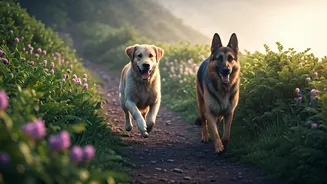
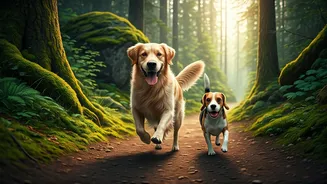
The headline-making trend today is the push beyond these curated urban spaces. Having mastered the art of the city outing, Indian pet parents are now craving something more primal: nature. They don't just want a place that tolerates their dog; they want a place that celebrates their dog's nature. They want trails, not just sidewalks. They want streams, not just water bowls. This desire is a direct reaction to the claustrophobia of megacity life. For someone living in a high-rise apartment, the idea of watching their dog run freely through an open field or splash in a mountain river is the ultimate luxury. This isn’t just about exercise; it’s about providing a psychologically enriching experience for a pet they see as their child.
The New Leash on Life
In response, a cottage industry of pet-adventure tourism is taking root. Startups and community groups are organizing weekend treks and camping trips specifically for people and their dogs. Tour operators like Pet-a-Lingo and CollarFolk curate everything from day hikes in the hills outside Mumbai to full-blown vacations at pet-welcoming resorts in the Himalayas. These aren't just informal meetups; they are professionally organized events with vets on standby and carefully scouted, paw-friendly routes. Social media groups are filled with thousands of members sharing tips on pet-friendly waterfalls, hidden trails, and road-trip routes. This new market isn’t just about selling a service; it’s about selling an experience—a chance to escape the city and forge a deeper bond with their animal in the great outdoors.
More Than Just a Walk in the Park
Ultimately, the demand for trails over cafes is a powerful symbol of the new Indian aspiration. It reflects a generation that is not only more affluent but also more attuned to global wellness trends. They have the disposable income for pet cafes, but they are choosing to spend it on experiences that offer connection and a reprieve from urban grind. In a country undergoing one of the most rapid and large-scale urbanizations in human history, the desire to reconnect with nature feels both universal and urgent. For India’s new pet parents, a walk in the woods isn’t just good for the dog—it’s a way of reclaiming a piece of their own well-being.