








The New Digital Spice Route
For decades, getting a new food product to the Indian consumer meant a grueling battle. A brand had to convince a complex web of distributors to place its goods in millions of tiny, family-owned *kirana* stores. It was a game dominated by giants like
Unilever, Nestlé, and homegrown titans like ITC and Britannia. But the landscape has been completely rewired. Thanks to skyrocketing smartphone penetration, cheap data, and a seamless digital payment ecosystem, a new path has opened: Direct-to-Consumer, or D2C. Young companies can now build a brand on Instagram, take orders via their website, and ship directly to doorsteps in Mumbai, Bangalore, and Delhi. This allows them to sidestep the old guard, build a direct relationship with their customers, and, most importantly, test new ideas at lightning speed.
Health Is the New Wealth
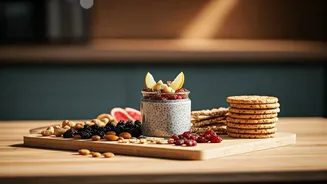
So, what are these new ideas? A huge part of the answer is health. While American shoppers have been debating kale and quinoa for years, a similar wellness wave is now crashing over urban India, accelerated by the pandemic. Consumers, particularly millennials and Gen Z, are scrutinizing labels and rejecting the sugar-laden, processed snacks of their childhood. Startups are rushing to fill this void. Brands like Slurrp Farm and The Whole Truth are winning over parents and young professionals with millet-based pancakes, protein bars with no added sugar, and snacks made from traditional grains like jowar and ragi. It’s a savvy blend of modern nutritional science and a reverence for ancient Indian ingredients, repackaged for a contemporary lifestyle.
India's Plant-Based Puzzle
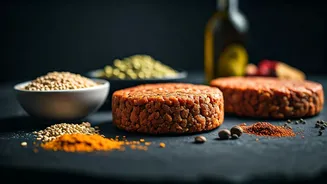
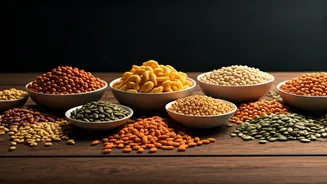
One of the most fascinating experiments is happening in the plant-based space. On the surface, selling plant-based meat in a country with the world's largest vegetarian population might seem redundant. But these new brands aren’t just targeting vegetarians. They’re aiming for flexitarians and non-vegetarians who are curious, health-conscious, or concerned about sustainability. Companies like Blue Tribe Foods and Shaka Harry are developing plant-based chicken nuggets, mutton kebabs, and sausages designed to mimic the taste and texture of meat. Their challenge is twofold: convince consumers that these products are better than the existing, rich variety of vegetarian protein (like lentils, chickpeas, and paneer), and compete on price in an incredibly value-conscious market.
Gourmet Convenience and Global Tastes
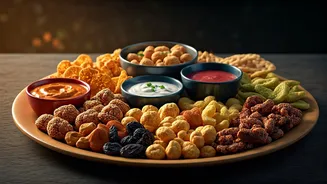
The other side of this food revolution is about aspiration. A growing class of well-traveled, globally aware Indians wants premium experiences at home. This has fueled a boom in categories that barely existed a decade ago. Think artisanal cheeses, single-origin coffees from Indian estates, kombucha, and gourmet meal kits that promise a restaurant-quality dish in minutes. Brands like The Plattering Co. and Go-Go Grub are tapping into the demand for convenience without compromise. They cater to time-poor urbanites who are tired of takeout but lack the time to cook from scratch. It’s a bet that Indians are willing to pay a premium not just for healthy ingredients, but for curation and convenience.
The Challenge of a Continent
Success, however, is far from guaranteed. India is not a single market; it’s a continent of diverse cultures and palates. A snack that’s a hit in spicy-food-loving Hyderabad might fall flat in Kolkata, which has a sweeter tooth. Scaling up means navigating this complexity, along with a notoriously difficult supply chain and intense competition. For every breakout star, dozens of other startups burn through their venture capital and quietly disappear. These young brands aren’t just selling food; they are placing high-stakes bets on the future identity of the Indian consumer.