






For Sustained Energy, Think Complex
The 3 p.m. slump isn't a mandatory part of your workday. Often, it's a direct result of a blood sugar crash caused by simple carbohydrates—think sugary snacks, white bread, and sodas. These foods provide a quick burst of energy, but the subsequent drop
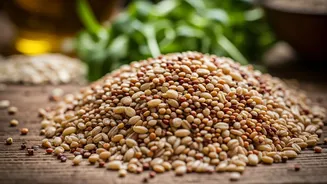
leaves you feeling sluggish and foggy. The key to all-day energy is switching to complex carbohydrates and pairing them with protein and healthy fats. These foods are digested more slowly, providing a steady release of glucose into your bloodstream. This prevents the dramatic spikes and crashes, keeping your energy levels stable. Instead of reaching for a candy bar, build your meals around powerhouse ingredients like oats, which are rich in soluble fiber; quinoa, a complete protein that also provides carbs and fiber; and sweet potatoes, packed with vitamins and slow-burning starches. Nuts and seeds are also excellent additions, offering a balanced mix of protein, fat, and fiber that promotes lasting satiety and energy.
For Mental Focus, Feed Your Brain
Brain fog and difficulty concentrating can be incredibly frustrating, but your diet can play a significant role in sharpening your mental acuity. Your brain is a high-energy organ that requires a constant supply of specific nutrients to function optimally. Omega-3 fatty acids, for instance, are critical components of brain cell membranes and are associated with improved cognitive function. You can find them in fatty fish like salmon, mackerel, and sardines, as well as in walnuts and flaxseeds. Another group of brain-boosting compounds is antioxidants, which help protect brain cells from damage caused by oxidative stress. Blueberries are famously rich in an antioxidant group called flavonoids, which studies suggest can help improve memory and delay age-related cognitive decline. Don't forget dark leafy greens like spinach and kale, which provide vitamins and minerals essential for brain health. Even a small amount of dark chocolate (70% cacao or higher) can contribute, as it contains flavonoids, caffeine, and antioxidants that may enhance brain function and mood.
For Gut Health, Build a Better Biome
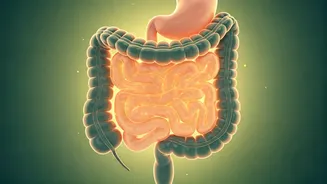
The phrase “gut feeling” has a scientific basis. Your gastrointestinal tract is home to trillions of microorganisms, collectively known as the gut microbiome, which influences everything from digestion and immunity to mood. A healthy, diverse microbiome is crucial for overall wellness. To support it, you need two types of foods: probiotics and prebiotics. Probiotics are live, beneficial bacteria found in fermented foods. They help replenish the good microbes in your gut. Excellent sources include yogurt with “live active cultures,” kefir (a fermented milk drink), sauerkraut, kimchi, and kombucha. Prebiotics, on the other hand, are the food for these good bacteria. They are types of fiber that your body can't digest, so they travel to your lower digestive tract where they act as fuel for healthy microbes. You can find prebiotics in a wide range of fruits, vegetables, and whole grains, including garlic, onions, bananas, asparagus, and whole-wheat products. A diet rich in fiber from diverse plant sources is one of the best ways to ensure your gut microbiome thrives, leading to better digestion and a stronger foundation for your overall health.