
More Than Naan and Tikka Masala
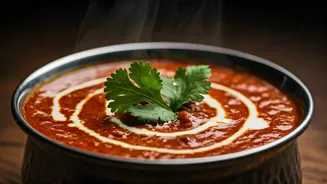
For many Americans, Indian food has long been synonymous with a handful of beloved, if predictable, dishes: creamy chicken tikka masala, pillowy naan bread, and perhaps a comforting bowl of dal. It’s delicious, soulful food, but it rarely occupies the
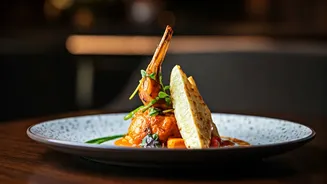
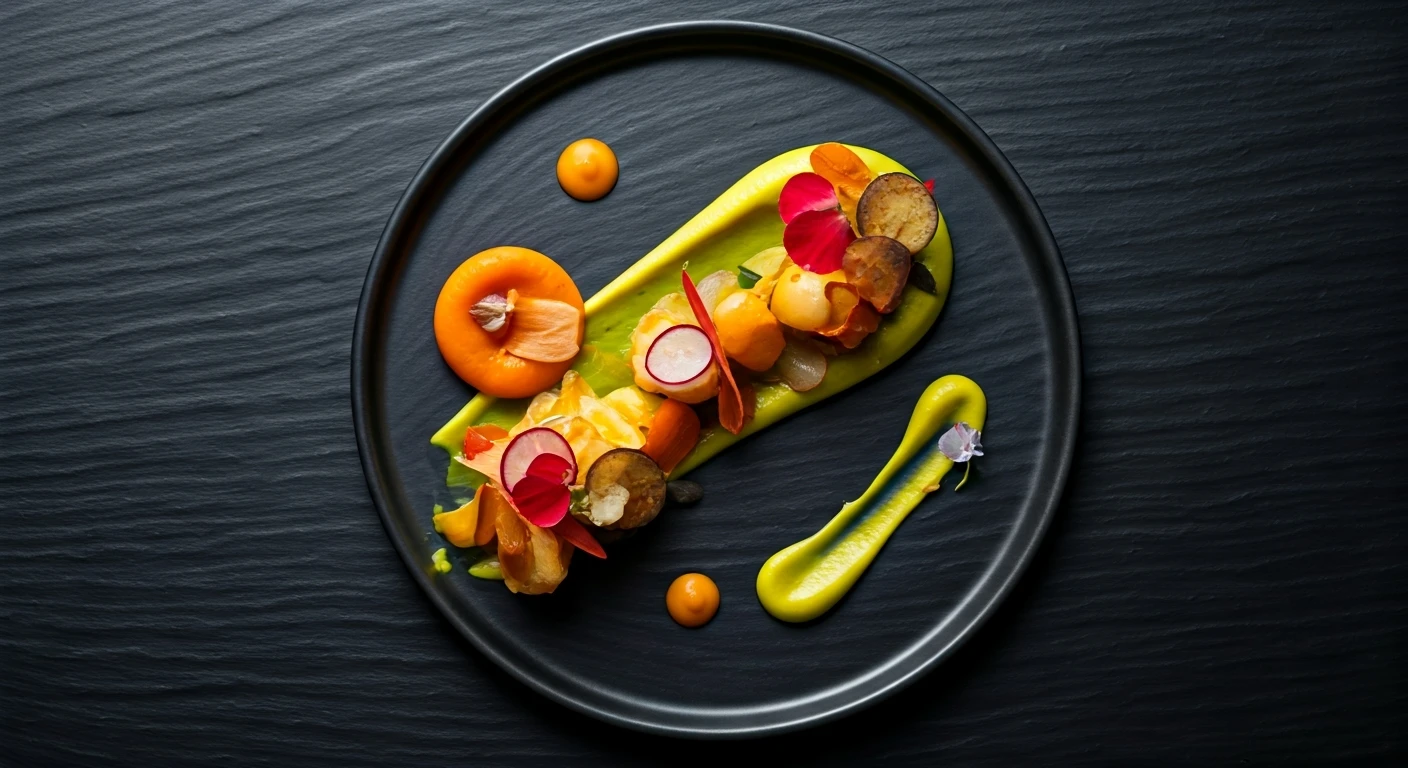
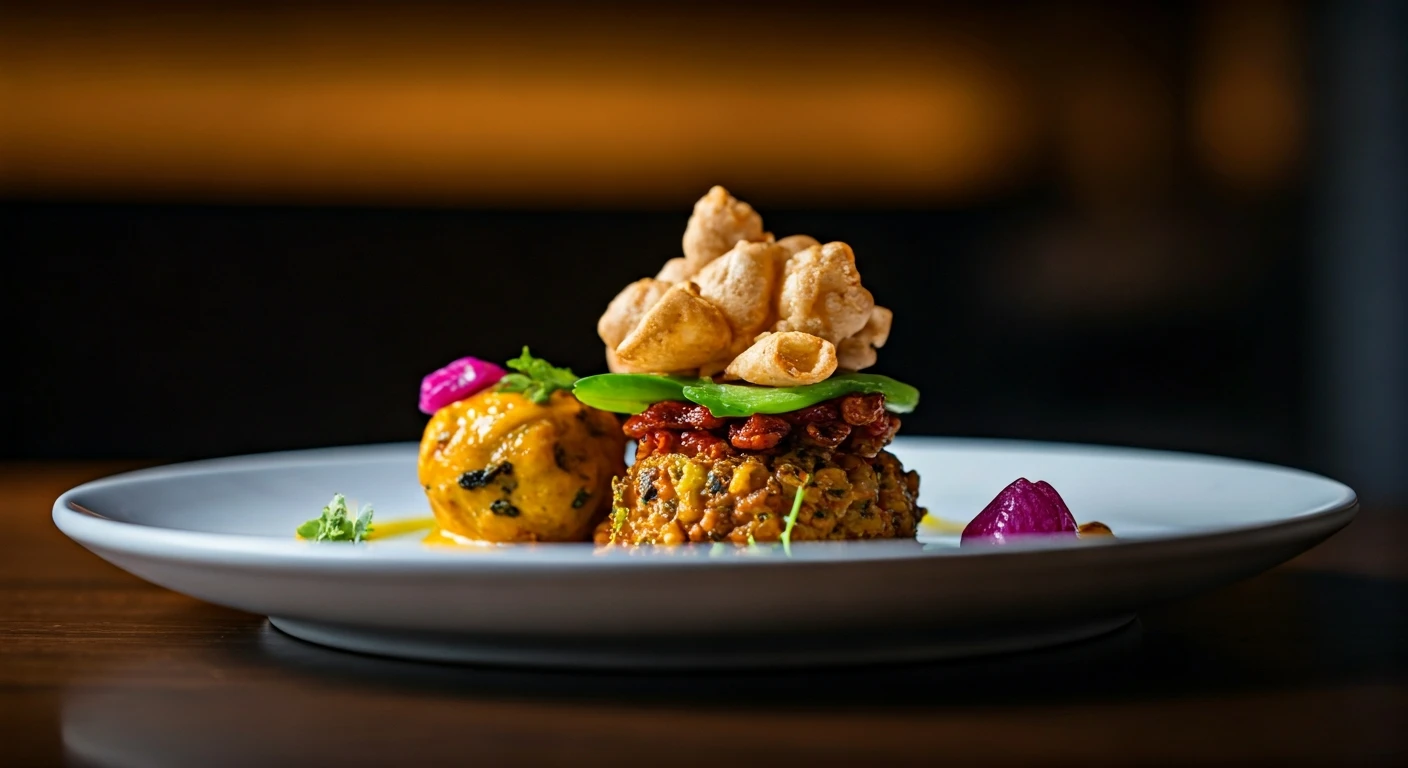
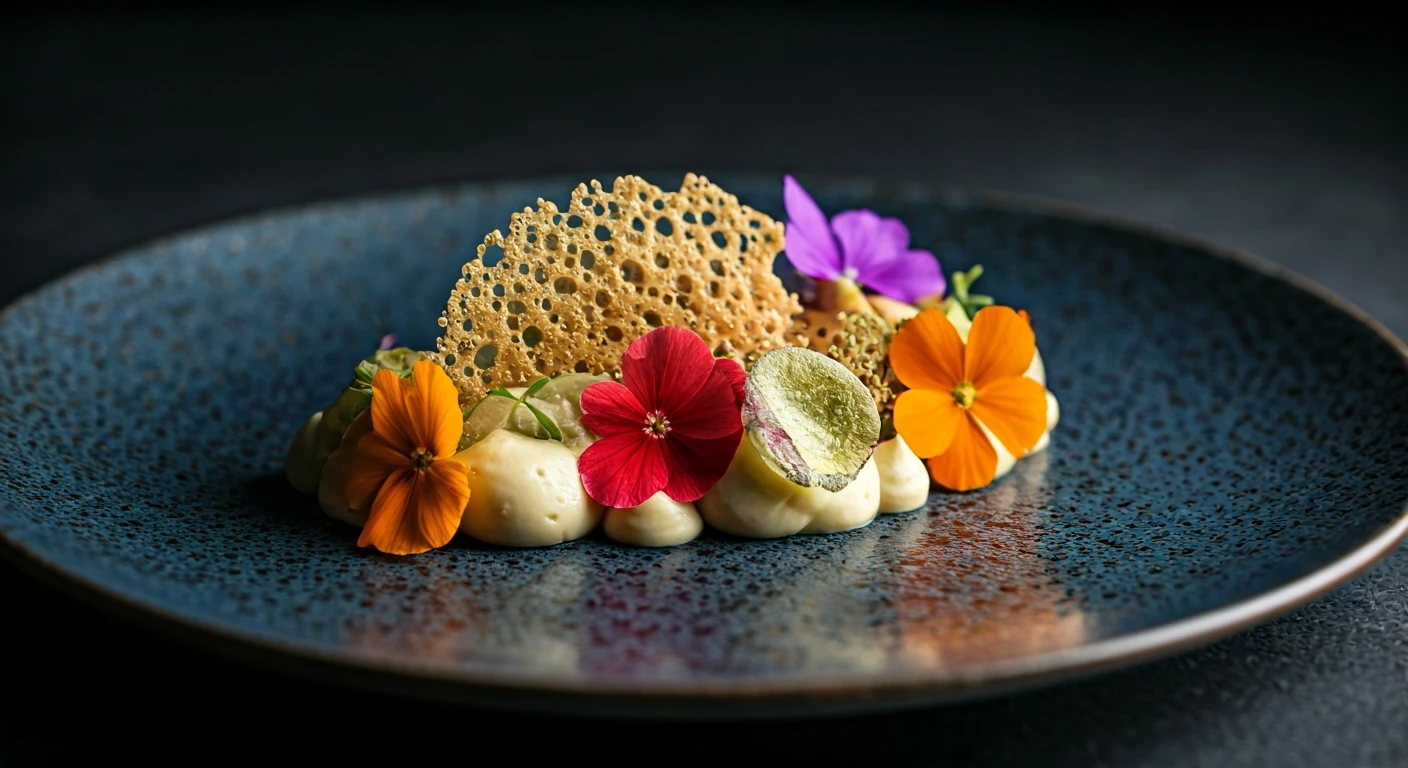
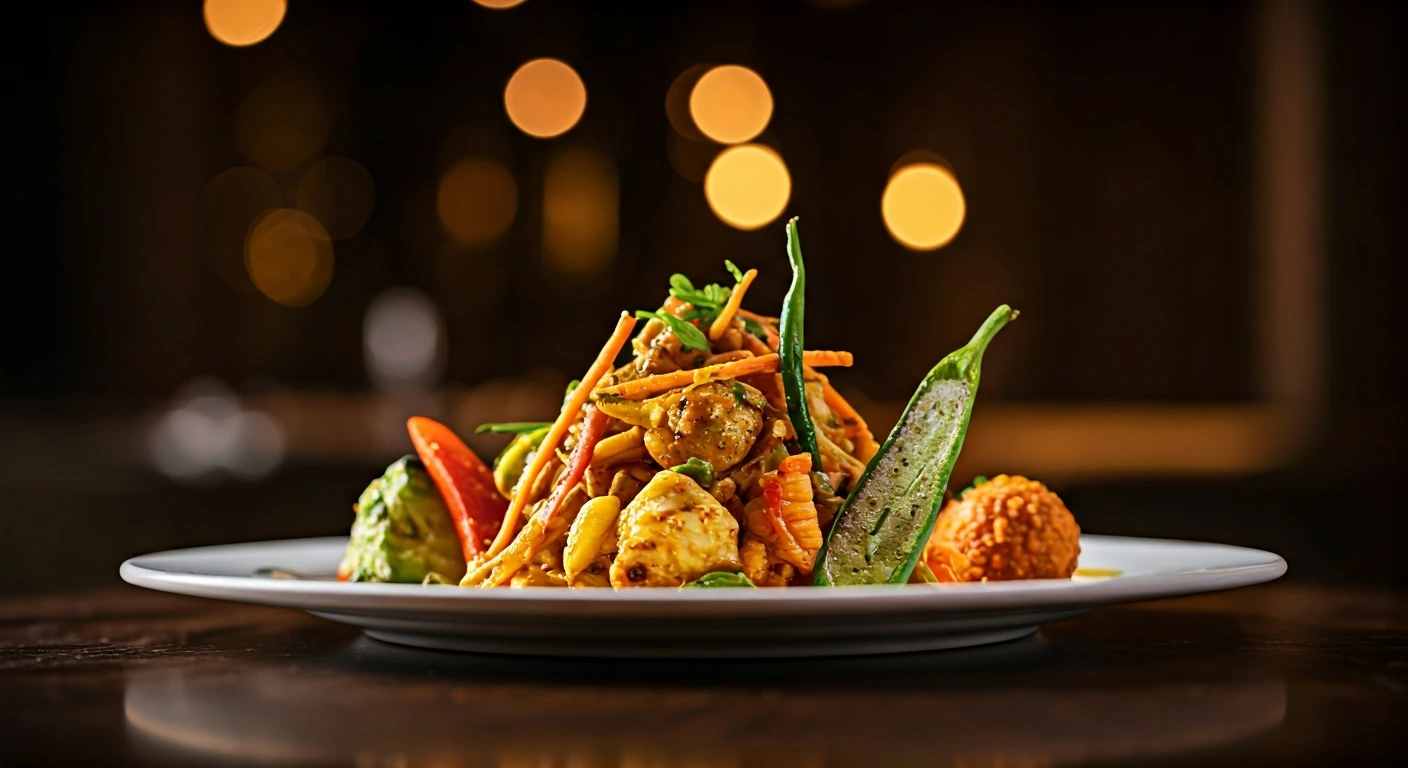
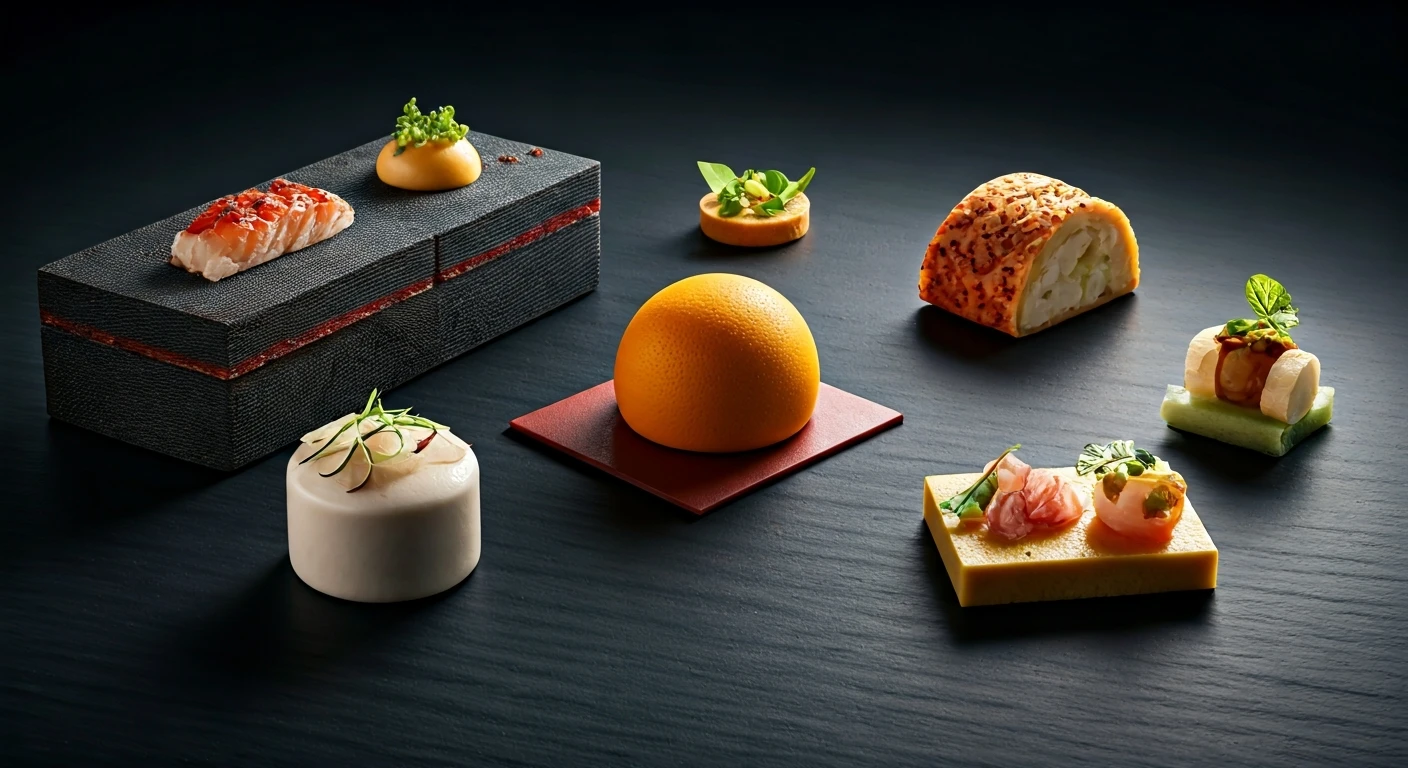
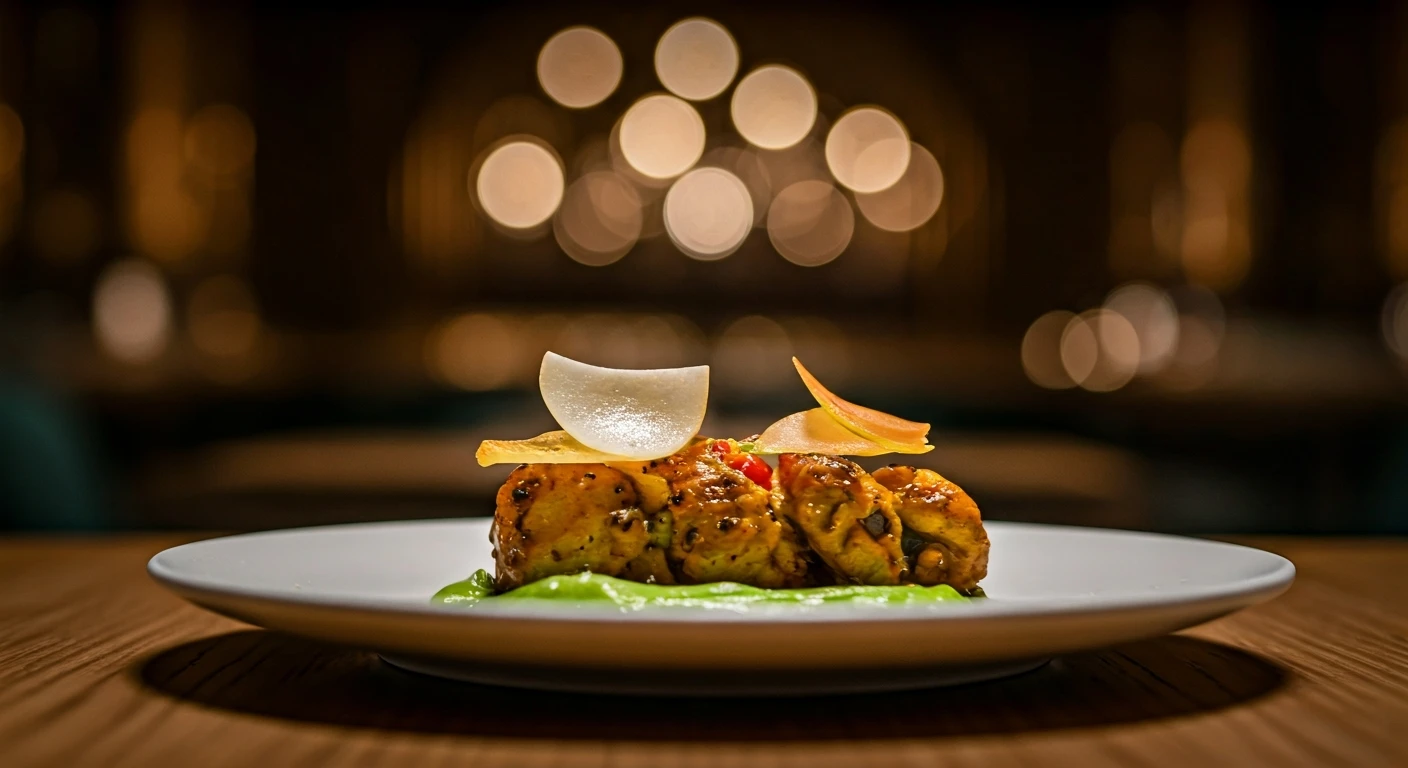
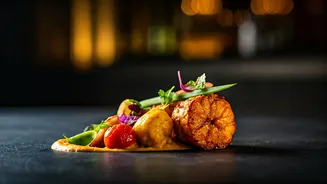
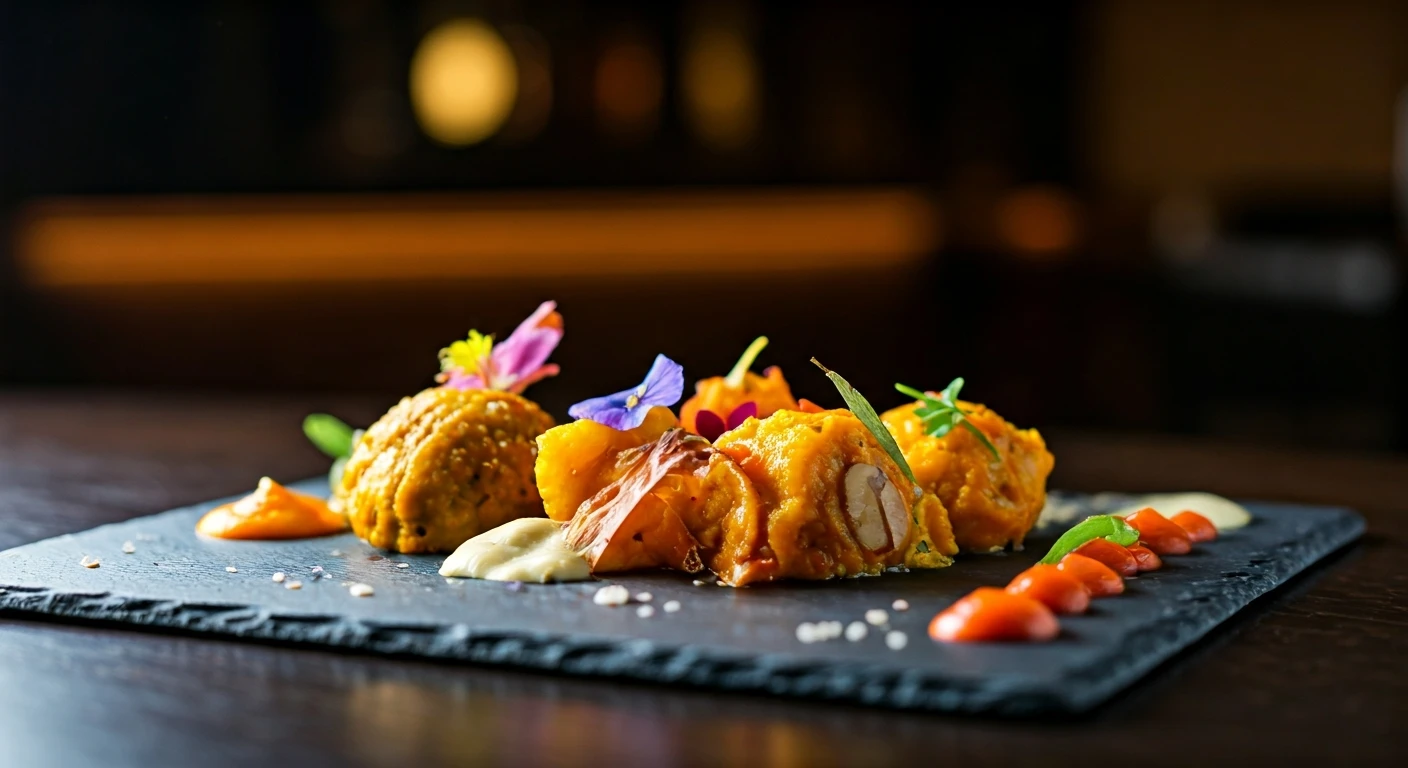
same fine-dining stratosphere as French or Japanese cuisine. But across Asia, a new generation of chefs is demolishing this stereotype, proving that the subcontinent’s culinary traditions are a deep well of inspiration for some of the world’s most exciting and ambitious cooking. This isn't about abandoning tradition, but about exploring its vastness, reinterpreting its flavors, and presenting it with the artistry and technical skill it has always deserved. The result is a movement that is pushing Indian food into the realm of Michelin stars and global tasting menus.
The Bangkok Trailblazers
Much of this transformation can be traced back to a single city: Bangkok. It was here that chef Gaggan Anand blew the doors off the global food scene with his eponymous restaurant, Gaggan. For four consecutive years, it was named the best restaurant in Asia, serving what he famously called “progressive Indian cuisine.” Using techniques from molecular gastronomy learned at Spain's legendary elBulli, Anand deconstructed classic Indian street food and flavors, turning them into whimsical, multi-course experiences. He proved that Indian food could be playful, cerebral, and undeniably high-end. Following in his wake, chef Garima Arora, another elBulli alum, made her own mark. In 2018, her Bangkok restaurant Gaa earned a Michelin star, making her the first Indian woman to helm a Michelin-starred kitchen. Her more recent venture, Haoma, also in Bangkok, champions sustainability with an on-site urban farm while diving deep into the forgotten recipes and ingredients of India’s diverse regions.
What 'Modern Indian' Actually Means
So, what defines this new wave of Indian cooking? It’s a combination of philosophy, technique, and a fierce pride in regionality. First, these chefs are moving beyond the generic, northern Indian-dominated menus common in the West. They are archaeologists of flavor, digging into the specific cuisines of Goa, Bengal, Kerala, and Ladakh. At Masque in Mumbai—a consistent high-performer on Asia’s 50 Best Restaurants list—the menu is a celebration of Himalayan ingredients. Second, they are applying global techniques to local traditions. This could mean using French sous-vide methods to create an impossibly tender piece of lamb, or using Japanese fermentation techniques to deepen the flavor of a chutney. It’s not fusion for fusion's sake, but a thoughtful application of the best tool for the job. Finally, there is a focus on narrative. A meal at a place like Trèsind Studio in Dubai, another Michelin-starred powerhouse, is a journey through India’s culinary landscape, with each dish telling a story about its origin, ingredients, and cultural significance.
From Niche to Global Recognition
This isn’t just a few chefs making waves; it's a full-blown moment validated by the world’s most prestigious culinary authorities. The repeated inclusion of restaurants like Masque, Trèsind Studio, and Avartana in Chennai on the Asia's 50 Best list has created a critical mass. These awards do more than just fill reservation books; they shift perceptions on a global scale. They tell diners, critics, and aspiring young chefs that Indian cuisine has an undisputed place at the pinnacle of gastronomy. This recognition has a ripple effect, encouraging investment in ambitious Indian restaurant concepts and inspiring a new generation of talent to explore their own heritage rather than defaulting to European culinary templates. The movement has firmly established itself in hubs like Bangkok, Dubai, and Singapore, and is now influencing how the world at large thinks about and tastes Indian food.