





The Myth of '8 Glasses a Day'
Let's start with the rule we all know: drink eight 8-ounce glasses of water a day, the so-called “8x8 rule.” It’s simple, memorable, and has been drilled into our heads for generations. But where did it come from? Most sources trace it back to a 1945
recommendation from the U.S. Food and Nutrition Board, which stated that a person needs about 2.5 liters of water daily. The problem is, everyone missed the next sentence: most of this quantity is contained in prepared foods. The advice wasn't wrong, just incomplete. The 8x8 rule became a classic case of a guideline stripped of its context. It ignores the water we get from fruits, vegetables, soups, and even coffee and tea. For a long time, it created a sense of obligation—and for many, a sense of failure—around a rigid, arbitrary number.
The New Rule: Listen to Your Body
The most significant shift in hydration science is the return to common sense: for the average, healthy person in a temperate climate, thirst is an excellent guide. Your body has a finely tuned system for monitoring hydration levels, involving hormones and brain signals that create the sensation of thirst precisely when you need to drink. The old fear was that by the time you feel thirsty, you're already dangerously dehydrated. While thirst does indicate a fluid deficit, it’s a normal, proactive signal, not a five-alarm fire. Think of it like your phone’s low-battery warning, not a total shutdown. Forcing yourself to drink when you’re not thirsty isn't necessary and, in extreme cases, can even be harmful. The new mantra is less about counting and more about listening.
Hydration Comes from Your Plate
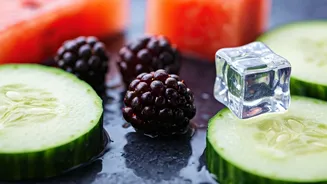
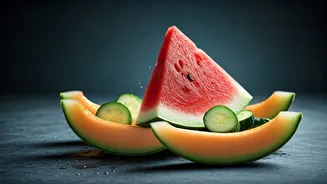
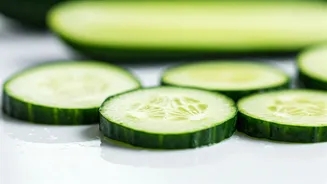
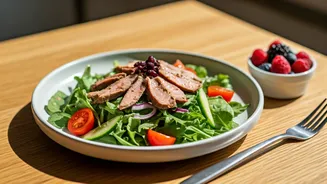
One of the biggest flaws in the old advice was its focus solely on water from a glass. A huge portion of our fluid intake comes from food. Many fruits and vegetables are more than 90% water. A cucumber, a bowl of watermelon, or a serving of strawberries are all incredibly hydrating. Soups, yogurts, and smoothies also contribute significantly. Even caffeinated beverages like coffee and tea, long believed to be dehydrating, have a net hydrating effect. While they have a mild diuretic quality, the volume of water you consume in a cup of coffee far outweighs the small amount you lose. Recognizing that your morning coffee and lunch salad are part of your daily hydration equation makes hitting your fluid goals feel much more achievable and natural.
Personalize Your Intake
This is where the advice gets truly useful. Instead of a single number, your needs are unique and dynamic. The key factors that influence your fluid requirements are: - **Activity Level:** If you’re sweating through a workout or doing physical labor, you need to replace those lost fluids and electrolytes. Thirst is still a good guide, but you should drink proactively before, during, and after intense exercise. - **Climate:** Living in a hot, humid, or high-altitude environment increases your fluid needs dramatically. Your body works harder to cool itself, losing more water through sweat and respiration. - **Health and Diet:** Certain health conditions, like kidney stones or urinary tract infections, may require increased water intake. A high-protein or high-fiber diet also demands more water to process. Pregnancy and breastfeeding significantly increase fluid needs as well. Your hydration plan shouldn't be static; it should adapt to your day.
Use the Real-Time 'Color Code'
If you want a simple, real-time check-in without counting ounces, look no further than the toilet bowl. Urine color is one of the most reliable indicators of hydration status. If your urine is a pale, straw-like yellow, you're in the sweet spot. If it's dark yellow or amber-colored, it's a clear sign you need to drink more fluids. On the other hand, if it's consistently clear like water, you might be overdoing it. This simple biofeedback tool is far more personalized and accurate than an arbitrary number of glasses. It empowers you to adjust your intake based on what your body is telling you right now, not what a decades-old guideline prescribed.