


The Leftover Lentil Conundrum
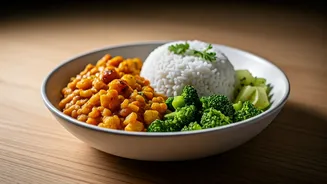
We’ve all been there. You make a big, beautiful pot of dal, lentil soup, or some other legume-based stew. It’s hearty, nutritious, and comforting. You enjoy a bowl, maybe two. Then you pack the rest into a container, slide it into the fridge with the best
of intentions, and promptly forget about it until it develops a certain… archeological quality. That half-eaten pot of goodness often becomes a symbol of low-grade kitchen guilt. It’s not spoiled enough to toss without a pang of regret, but its appeal has faded. It’s too thick, a little grainy, and just not as exciting as it was on day one. This is the moment most of us give up. But what if that sad-looking container wasn’t an endpoint, but a starting point for something even better?
Enter the Dal Fritter
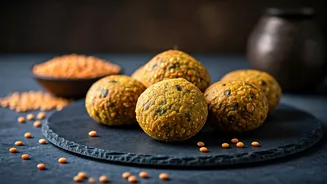
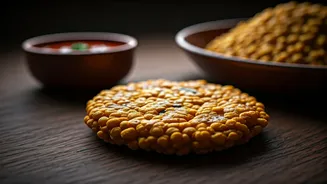
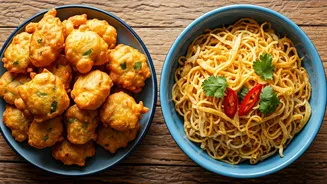
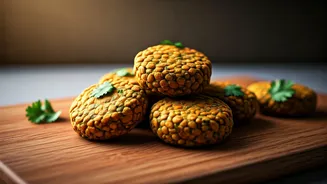
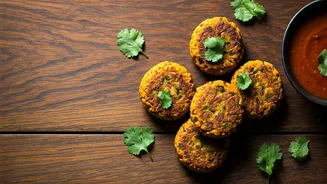
Imagine a savory, golden-brown fritter. It’s crispy on the outside, soft and steaming on the inside, and humming with the gentle warmth of ginger, onions, and spices. This isn't some complicated new dish; it's the glorious second act of your leftover dal. In homes across India, cooks have long been transforming leftover lentil preparations into snacks like *vadas* or *pakoras*. The concept is simple: take the cooked-down lentils, which already have a great flavor base, and use them as the foundation for a batter. When fried, the mixture blossoms into something entirely new. It’s a brilliant act of culinary alchemy that respects the ingredients and delivers a deeply satisfying crunch. You're not just reheating; you're reinventing.
The No-Recipe Recipe
The beauty of dal fritters is that they don’t require a precise recipe, but rather a flexible formula. The goal is to create a thick, scoopable batter that holds its shape. Start with your cold, leftover dal. If it's very watery, you can either simmer it down for a few minutes to thicken it or drain off some excess liquid.
Next, add a binder and aromatics. Your key binder is a flour—chickpea flour (besan or gram flour) is classic and adds a nutty flavor, but all-purpose or rice flour (for extra crispiness) works, too. Start with a few tablespoons and add more until the mixture is a thick, sticky paste, not a runny batter.
Then, the fun part: flavor. Finely chop some onion, grate in fresh ginger, and add minced green chilies or a pinch of red pepper flakes for heat. Toss in a generous handful of chopped fresh cilantro. A little turmeric for color and a pinch of cumin seed for aroma are fantastic additions. Mix everything together, taste, and adjust the salt. The dal was already seasoned, so you might not need much.
From Batter to Bliss
Once your batter is ready, it’s time to cook. You have two main options: pan-frying or deep-frying. For a healthier, less-messy approach, heat a generous layer of neutral oil in a non-stick skillet over medium-high heat. Drop spoonfuls of the batter into the hot oil, flattening them slightly with the back of the spoon. Fry for 3-4 minutes per side, until they are deep golden brown and cooked through. For the full indulgence, heat a few inches of oil in a pot to around 350°F and carefully drop in dollops of the batter, frying until golden and crisp all over. Drain them on a wire rack or paper towels to shed any excess oil. Serve them hot, as is, or with a side of plain yogurt, mint chutney, or a simple tamarind sauce. They are the perfect afternoon snack, appetizer, or even a light lunch.
More Than a Snack, It’s a Flex
So why is this a “flex”? In an era of performative sustainability and perfectly curated pantry shelves, turning food scraps into something crave-worthy is the real deal. It’s a quiet declaration of competence and resourcefulness. It says you don’t just buy organic; you respect your ingredients from start to finish. You have the skills to prevent waste not out of obligation, but out of creativity. It’s a rejection of the idea that leftovers are a culinary failure. Instead, they’re a built-in head start on your next delicious meal. Making dal fritters isn’t about showing off a fancy technique; it’s about showcasing a smarter, more intuitive way of cooking. And in today’s world, that’s the most impressive skill of all.