





A Digital Celebration of Divine Femininity
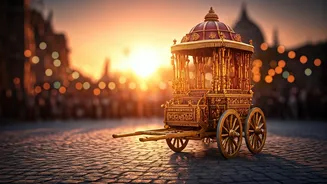
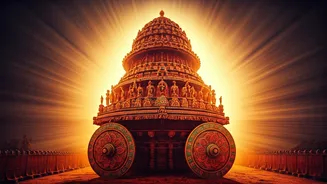
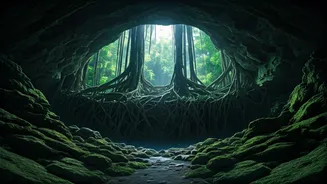
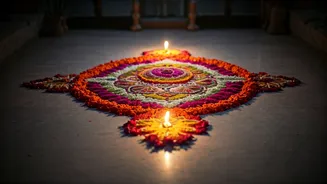
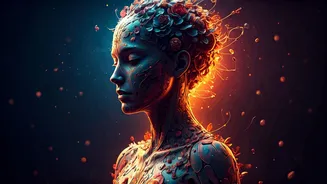
The art capturing imaginations online often features surreal, beautiful, and sometimes AI-assisted illustrations. These pieces depict the Goddess Kamakhya, the presiding deity of the festival, in various powerful forms. Common motifs include the yoni
(vulva) and lingam (phallus) stone idols from her temple, a symbolic red river representing her menstrual flow, and lush, green landscapes symbolizing the earth's renewed fertility. Artists are using digital tools to create modern interpretations of ancient iconography, blending traditional themes with a hyper-modern aesthetic. This isn't just fan art; it’s a form of digital devotion, a way for a new generation to connect with and share a profound cultural event on a global scale. The visual language is immediate and powerful, cutting across cultural barriers to spark curiosity about the festival it celebrates.
So, What Is the Ambubachi Mela?
At its heart, the Ambubachi Mela is a four-day annual Hindu festival held at the Kamakhya Temple in Guwahati, Assam, in northeastern India. It is one of the most important gatherings for Tantric worshippers and draws hundreds of thousands of pilgrims, ascetics, and devotees each year. The festival is unique because it's centered around a powerful belief: that during this time, the temple's presiding goddess, a form of Shakti (divine feminine energy), experiences her annual menstruation. As a result, the temple's main sanctum is closed to the public for three days. It’s believed the earth itself is undergoing a period of rejuvenation, making it a time of immense spiritual power. The temple reopens on the fourth day with a massive celebration, where devotees receive small pieces of red cloth, believed to be moistened with the goddess's menstrual fluid and considered highly auspicious.
A Festival That Celebrates Menstruation
Here’s what makes the Ambubachi Mela so radical and fascinating, especially to outsiders. In many cultures and even within parts of India, menstruation has long been associated with impurity and stigma, often leading to women's exclusion from religious and social activities. The Ambubachi Mela does the opposite. It elevates menstruation to a sacred, life-giving event worthy of worship. It's a celebration of fertility, creation, and the raw, untamed power of the feminine divine. This is why it’s often referred to as the “Tantric fertility festival.” It acknowledges the biological reality of the female body as the source of all life and integrates it directly into its most sacred rituals. This unabashed celebration of a natural process is a key reason why the festival, and now its digital representations, resonates so strongly in contemporary conversations about feminism and destigmatization.
From Ancient Ritual to Viral Trend
The recent wave of digital art brings this ancient festival squarely into the 21st century. For artists, the Mela provides a rich tapestry of symbolism, color, and profound meaning—a perfect subject for visually driven platforms like Instagram. By creating and sharing these images, they are not just making beautiful art; they are participating in a cultural conversation. They are amplifying a message of empowerment and reverence for the female body. For a global audience, the art serves as an accessible entry point into a complex spiritual tradition. It bypasses dense theological texts and invites people in with a simple, powerful image. In a way, the viral spread of these illustrations is a modern, digital parallel to the word-of-mouth tales that made the Kamakhya Temple a legendary pilgrimage site centuries ago.