



The Great Outdoors, Upgraded
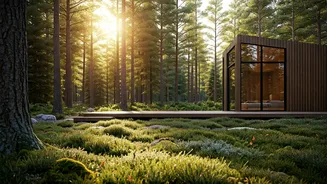
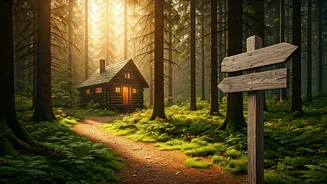
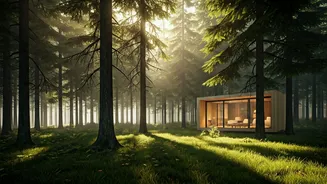
The shift isn't just about getting outside; it’s about how we do it. For a growing number of travelers, the perfect escape is no longer a rustic tent or a characterless hotel room. Instead, they’re seeking a comfortable, private homestay—a cabin, cottage,
or A-frame—that serves as a basecamp for adventure. This trend combines the rugged appeal of the wilderness with the creature comforts of modern living. Imagine waking up to the smell of pine, spending the day on a sun-dappled forest trail, and returning not to a cramped tent, but to a hot shower, a full kitchen, and a comfortable bed. It’s the best of both worlds: immersion in nature without sacrificing the amenities that make a vacation feel truly relaxing. This isn't just camping with a better mattress; it's a fundamental rethinking of what a nature-based vacation can be.
Why a Homestay Beats a Hotel
So, what’s driving travelers from familiar hotel chains to private rentals nestled in the woods? The answer lies in control, privacy, and authenticity. A homestay offers a sense of place that a standardized hotel room rarely can. You can cook your own meals with local ingredients from a farm stand, saving money and personalizing your experience. You have a living room for board games on a rainy afternoon and a private porch for watching the sunset. After years of social distancing, the appeal of a private space, free from shared elevators and crowded lobbies, remains incredibly strong. Furthermore, these properties are often located in areas far from the commercial hustle, offering a deeper connection to the landscape and a quieter, more restorative environment. It’s a space that feels like your own, even if just for a weekend.
Finding Your Trailside Retreat
The key to this vacation is location, and finding the perfect spot is easier than ever. Popular vacation rental sites are filled with options, but the trick is knowing how to search. Go beyond generic terms like “cabin.” Instead, use keywords that reflect the experience you want: “trail access,” “secluded,” “creekside,” or “mountain view.” Don’t just search near famous national parks, which can be crowded and expensive. Expand your search to include properties near state parks, national forests, and wilderness areas, which often offer equally stunning scenery with fewer people. Read reviews carefully, paying attention to comments about privacy, cleanliness, and proximity to the trails mentioned in the listing. A previous guest’s comment about hearing the highway is as valuable as one praising the birdsong.
Packing for Comfort and Adventure
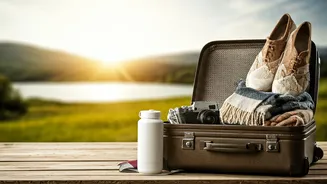
Packing for a homestay-and-hike vacation requires a hybrid mindset. Yes, you need the practical gear: sturdy hiking boots, a reliable daypack, water bottles, and layers of moisture-wicking clothing. But the homestay element invites a different kind of preparation. Think about what will make the “home” part of the trip special. Bring gourmet coffee and your favorite mug for slow mornings on the deck. Pack ingredients for a celebratory post-hike meal or s'mores by the fire pit. A good book, a portable speaker for ambient music, and a favorite board game can turn a simple rental into a cozy, memorable sanctuary. This isn't about roughing it; it’s about enriching your downtime as much as you do your time on the trail.
The Remote Work Effect
The rise of remote and flexible work has supercharged this trend. A trailside rental is no longer just a weekend possibility. For many, it can be a week-long office with a much better view. The ability to log into work from a cabin with reliable Wi-Fi means vacations can be longer and more immersive. You can tackle a few hours of work in the morning and still have the entire afternoon to explore a new network of trails. This “work-from-the-woods” phenomenon allows for a deeper reset, blending the responsibilities of daily life with the restorative power of nature without having to burn through all of your vacation days.