
1. The Rise of the 'Flex Space'
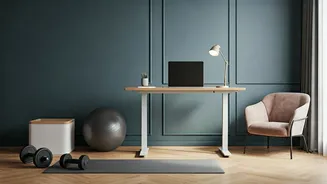
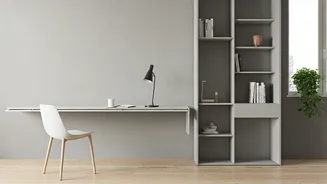
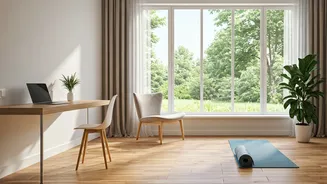
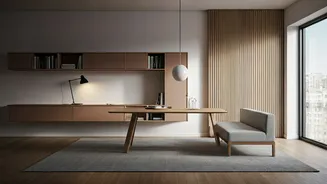
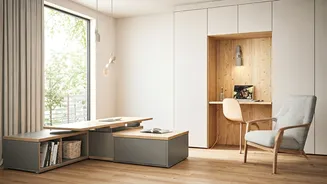
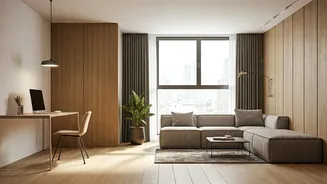
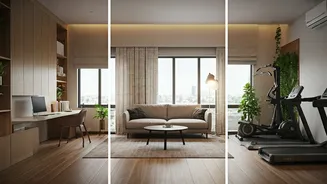
Forget the dedicated home office that sits empty after 5 p.m. The cornerstone of the flexible home is the 'flex space'—a room designed for metamorphosis. This isn't just a spare bedroom; it's a strategic asset. By day, with a fold-down desk and good lighting,
it’s a productivity hub. In the evening, the desk vanishes, a yoga mat is rolled out, and it becomes a wellness sanctuary. On the weekend, it transforms again with an air mattress for guests. The key is intentional design: integrated storage to hide work clutter, neutral paint colors that suit any activity, and versatile lighting. This one room replaces three, adapting to the rhythm of your life rather than forcing you into a rigid floor plan.
2. Furniture That Works Harder Than You Do
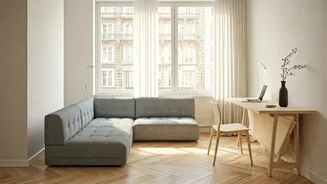
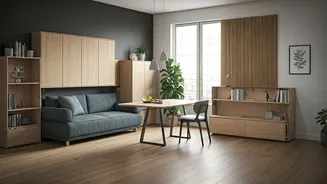
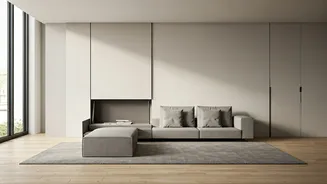
In a flexible home, every piece of furniture has a resume. Your coffee table shouldn't just hold magazines; it should lift to become a dining surface or a comfortable laptop desk. Your bed shouldn't just be for sleeping; it could be a Murphy bed that folds into the wall, revealing a built-in sofa or workspace and giving you back an entire room's worth of floor space during the day. We're seeing a boom in modular sofas that can be reconfigured from a cozy movie-night L-shape to separate seating for a party, and expandable dining tables that discreetly accommodate two for breakfast and ten for Thanksgiving. This approach treats furniture not as static decoration, but as active tools for shaping your environment on demand.
3. Walls That Move and Partitions That Appear
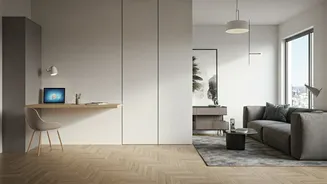
The open-concept floor plan was great for dinner parties, but it’s a nightmare for work-life separation. The solution isn't to build permanent walls, but to embrace dynamic division. Large-scale pocket doors, modern sliding barn doors, and even elegant glass partitions can close off a section of a great room to create a temporary, quiet office or a private reading nook. For a lower-cost, renter-friendly option, clever room dividers, tall bookcases, and strategically placed screens can achieve a similar effect. This allows you to have the best of both worlds: the airy feel of an open plan when you want connection, and the privacy and focus of a closed room when you need to escape the chaos.
4. 'Zoning' For Mental and Physical Space
Sometimes, the most powerful walls are the ones you can't see. 'Zoning' is the practice of using design cues to create distinct functional areas within a single, open space. A large area rug can define the 'living zone,' visually separating it from the 'work zone' just a few feet away. A change in lighting—a warm, low-wattage floor lamp for the reading corner versus bright, focused task lighting over the desk—sends powerful psychological signals to your brain about what activity belongs where. Even the arrangement of furniture can create pathways and 'soft' barriers that guide movement and use. This technique allows your brain to compartmentalize, creating the feeling of separation and order even when physical walls are absent.
5. Bringing the Indoors Out, and Vice Versa
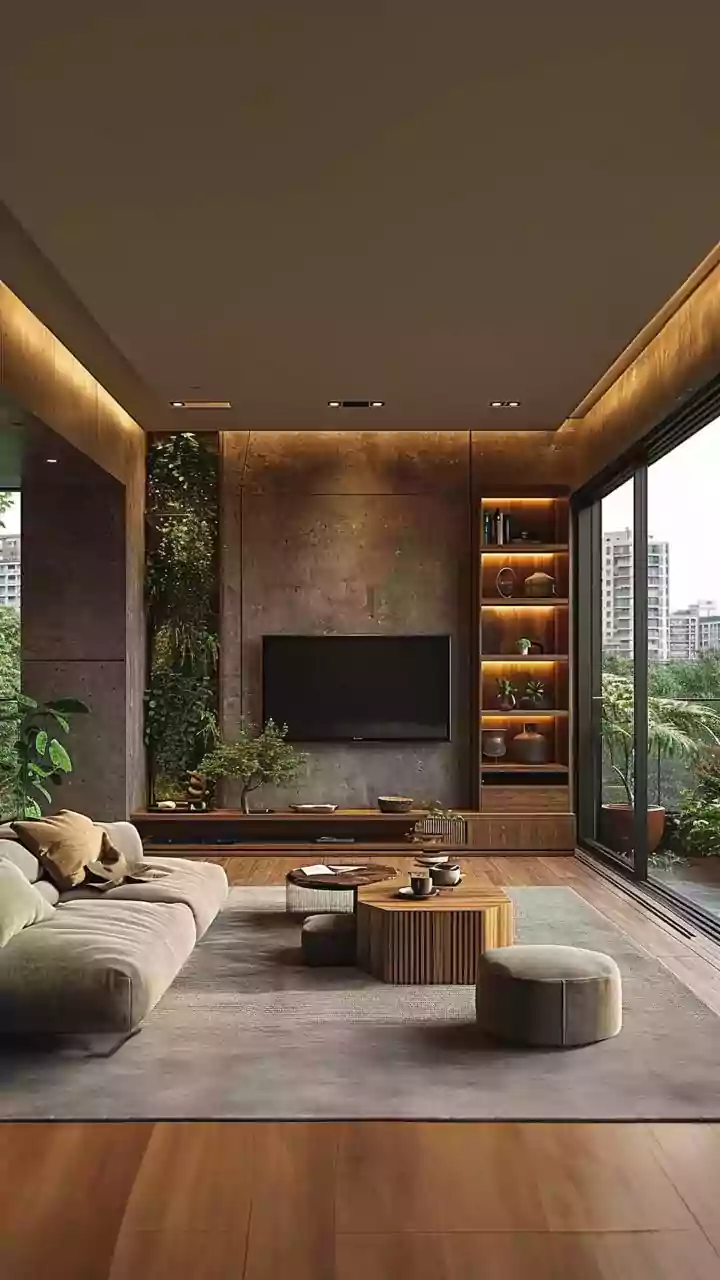
The flexible home doesn't stop at the back door. The pandemic taught us the value of our outdoor spaces, and the new approach is to treat them as genuine extensions of the home. A covered patio with comfortable seating, good Wi-Fi, and an outdoor power source can become a fantastic 'third space' for work calls or homework. A small balcony can become a morning coffee nook or a vertical garden. By blurring the line between inside and out with large windows, sliding glass walls, and cohesive design, you not only expand your home’s usable square footage but also provide a crucial escape valve from the pressures building up within its four main walls.