
The End of the Monolith
For many Americans, the Indian restaurant experience has been remarkably consistent. Whether in Omaha or Orlando, the menu often featured a greatest-hits collection of Punjabi dishes from North India. This wasn't by accident. Early Indian restaurateurs,
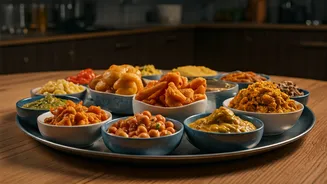
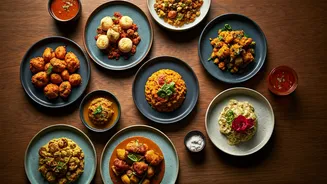
catering to an American palate unfamiliar with the subcontinent's vast culinary map, wisely presented a simplified, accessible, and often cream-enriched version of their cuisine. Chicken tikka masala—a dish many argue was perfected in the UK—became the unofficial ambassador, and palak paneer its loyal deputy. This homogenization served a purpose: it introduced Indian flavors to the mainstream. But it also flattened a cuisine as diverse as Europe's, reducing the food of over a billion people to a dozen familiar items on a buffet line.
A Journey Down South and Along the Coast
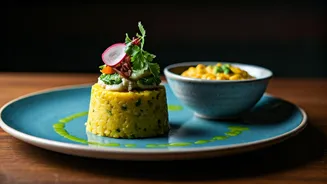
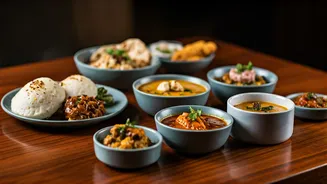
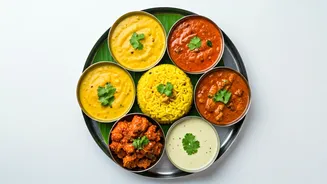
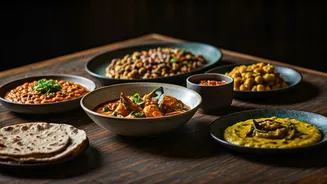
The new wave of Indian dining is all about specificity, and much of the excitement is coming from regions far from Delhi. Suddenly, menus are name-dropping states and cities, inviting diners on a geographical tour. In places like New York, the Bay Area, and Chicago, chefs are championing the food of the South. We're not just talking about the dosa, but the complex vegetarian thalis of Karnataka, the coconut-and-tamarind-laced seafood curries of Kerala, and the fiery, tangy flavors of Chettinad cuisine from Tamil Nadu. You might find meen pollichathu (fish steamed in a banana leaf) or a Goan vindaloo that's a world away from the one-note-spicy versions of old, instead revealing its complex vinegar-and-garlic Portuguese roots. These dishes speak of coastlines, specific spice blends, and cooking techniques that were previously confined to home kitchens.
Exploring the East and Lesser-Known Frontiers
The ambition doesn’t stop there. Restaurants are now acting as culinary archivists, digging into recipes from regions rarely, if ever, represented in the U.S. dining scene. Trailblazing spots like New York's Dhamaka have built a national reputation by focusing on what they call “the other side of India”—the rustic, provincial, and unapologetically bold flavors you’d find at a roadside stall or a family gathering. This includes dishes from Bengal in the East, known for its distinctive use of mustard oil and delicate fish preparations, or even the hearty, simple fare of states like Bihar and Uttarakhand. These are not dishes designed to be mild or creamy; they are meant to be pungent, spicy, and deeply authentic, trusting that today's diner is ready for the real deal.
Why Now? The Chefs and Diners Driving the Change
This culinary evolution is being driven by two powerful forces. First, a new generation of Indian and Indian-American chefs. Many are second-generation immigrants who grew up eating this specific, regional food at home and are now refusing to compromise their heritage for a perceived Western palate. They have the culinary training and cultural confidence to cook their grandmother's recipes, not a toned-down version for mass appeal. Second, the American diner has changed. Decades of exposure to global cuisines, fueled by travel shows, food blogs, and an increasingly diverse population, have created a more curious and adventurous eater. The person who fell in love with Thai Isaan food or regional Mexican moles is now ready to ask: what else does India have to offer? The answer, it turns out, is everything.