

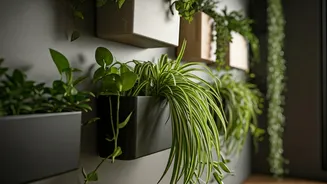
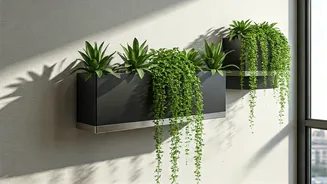


Why Go Vertical and Why Terracotta?
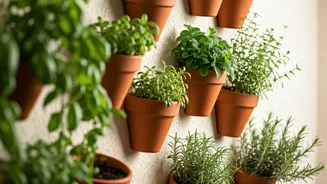
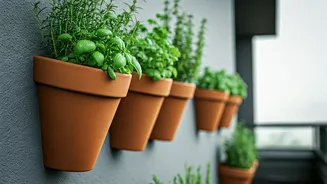
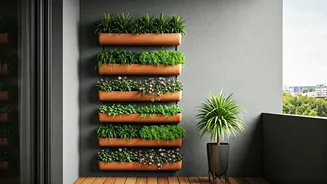
For apartment dwellers, floor space is gold. Vertical gardening is the ingenious solution that allows you to grow up, not out. By stacking planters or using wall-mounted pots, you can multiply your growing area without sacrificing your entire balcony.
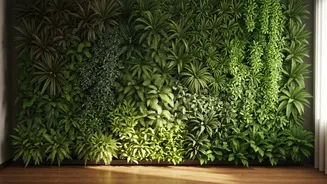
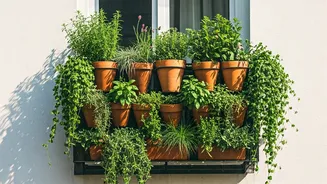
This approach is perfect for creating a living wall of herbs, flowers, or even small vegetables. Terracotta is the ideal medium for this project. Its classic, earthy look adds a timeless, rustic charm that plastic pots can't replicate. But the benefits are more than just aesthetic. Terracotta is porous, meaning it allows air and water to move through the sides of the pot. This aeration is great for root health and prevents waterlogging. The main consideration is that this same porosity means the soil will dry out faster, requiring more frequent watering, especially on a sunny, windy balcony. They can also be heavy and may crack in freezing winter temperatures if left outside unprotected.
Plan Your Balcony Oasis
Before you buy a single pot, take a moment to assess your space. First, consider sunlight. How many hours of direct sun does your balcony get each day? A south-facing balcony is perfect for sun-loving plants like tomatoes and basil, while a north-facing one is better suited for shade-tolerant options like mint, lettuce, and ferns. Second, check your building’s rules and weight limits. A few terracotta pots are usually fine, but a massive installation of soil-filled containers can get very heavy, very fast. Finally, think about logistics. Where is your water source? Having a small watering can or a coiled hose nearby will make daily maintenance much easier.
Choose Your Pots and Plants
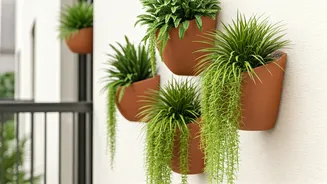
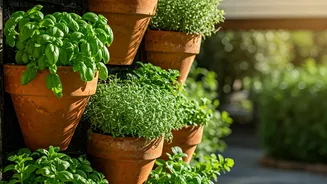
Vertical terracotta systems come in a few common styles. The most popular are stacking planters, which have a tiered design that allows you to plant in individual pockets on each level. These are great for creating a compact tower of herbs or strawberries. Another option is wall-mounted ring holders that can cradle individual terracotta pots, perfect for creating a scattered, artistic display. You can also use simple tiered shelving designed for outdoor use. When it comes to plants, choose varieties that are well-suited to container life. Here are some excellent choices: - **Herbs:** Basil, mint, rosemary, thyme, parsley, and chives are all fantastic and love the good drainage terracotta provides. - **Trailing Plants:** For a beautiful cascading effect, consider trailing petunias, sweet potato vine, or string of pearls. - **Edibles:** Leaf lettuce, spinach, radishes, and bush beans can all thrive in containers. Strawberries are a classic choice for stacking planters. - **Flowers:** Marigolds, pansies, and geraniums add vibrant color and are generally low-maintenance.
The Right Foundation: Soil and Potting
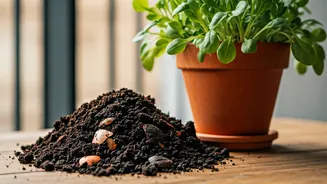
Don't just scoop soil from the ground. Garden soil is too dense for containers; it compacts easily and drains poorly. You need a high-quality potting mix specifically designed for containers. This mix is lighter, provides better aeration, and often contains ingredients like perlite or vermiculite to help retain moisture—a crucial feature when working with terracotta. When you’re potting your plants, you can place a small piece of a broken terracotta shard or a coffee filter over the drainage hole to prevent soil from washing out while still allowing excess water to escape.
Watering and Ongoing Care
The key to success with terracotta is consistent watering. Check the soil moisture daily, especially during hot, sunny weather. The easiest way is to stick your finger about an inch into the soil. If it feels dry, it’s time to water. Water thoroughly until you see it running out of the drainage hole at the bottom. This ensures the entire root ball gets a drink. Because nutrients leach out of pots with every watering, you’ll need to fertilize your plants regularly. A balanced, water-soluble fertilizer applied every 2-4 weeks during the growing season will keep your vertical garden lush and productive.