


Plan Like a Meteorologist
Spontaneity is a wonderful part of travel, but during monsoon season, planning is your best defense. Before you even pack the car, become a student of the weather. Your go-to source should be the National Weather Service (NWS). Check the forecast not
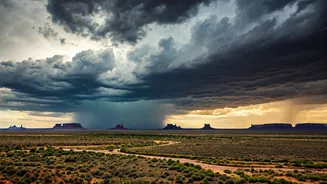
just for your destination, but for the entire region you'll be driving through. Heavy rainfall miles upstream can create a life-threatening flash flood where you are, even under sunny skies. Pay close attention to any Flash Flood Watches (conditions are favorable for flooding) or Warnings (flooding is imminent or occurring). Also, check state department of transportation websites (like Arizona's az511.gov) for real-time road closures and conditions. Never assume a road is safe just because it was open an hour ago.
Respect the Power of Water
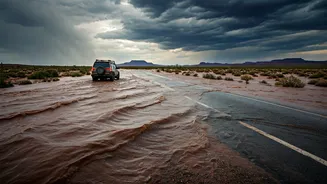
It is dangerously easy to underestimate the power of moving water. A key part of being flood-smart is internalizing a few critical facts. According to the NWS, it only takes six inches of fast-moving water to knock over an adult. Just one foot of water can float many vehicles, and two feet can carry away most vehicles, including SUVs and pickups. The vast majority of flash flood fatalities occur in vehicles when people attempt to drive through flooded roadways. The water is often deeper and faster than it appears, and the road beneath could be washed out entirely. The desert landscape is crisscrossed with dry riverbeds, known as washes or arroyos. These can go from bone-dry to a raging torrent in minutes. Never, ever camp in a dry wash.
Master 'Turn Around, Don't Drown'
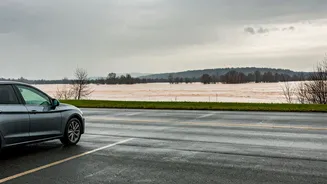
You’ve seen the signs on highways, and it’s the single most important rule of monsoon travel: Turn Around, Don't Drown®. This isn't just a catchy slogan; it's a direct command that saves lives. When you encounter a flooded roadway, the only safe decision is to stop, turn around, and find an alternate route. It doesn't matter if you're in a hurry. It doesn't matter if you have a big truck. It doesn't matter if you see another car make it through (they just got lucky). The risk is absolute and the consequences are final. Rescuing people from flooded vehicles puts first responders in extreme danger. Making the choice to turn around isn't just about protecting yourself; it's a responsible act that respects the safety of the entire community.
Safety Beyond the Pavement
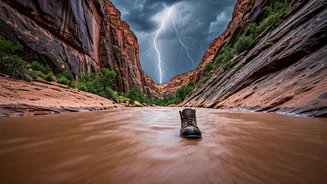
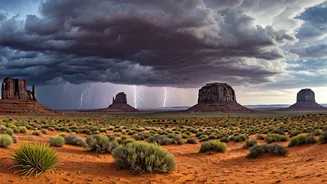
Flood dangers aren't limited to roads. If you're hiking or camping, your situational awareness needs to be even higher. Slot canyons, which are breathtakingly beautiful, are also natural death traps during monsoon season. Rain miles away can funnel into these narrow gorges with no warning and no escape. Avoid them entirely if there is any chance of rain in the forecast for the surrounding area. When hiking, be aware of your elevation. If you see dark clouds gathering or hear distant thunder, it's time to start heading for higher ground immediately. Don't wait for the rain to start. When setting up a campsite, choose a spot that is well-elevated and a safe distance from any streams or washes.
Pack a Monsoon-Ready Emergency Kit
Your standard car emergency kit needs a few upgrades for monsoon travel. Given the potential for long delays due to flooded roads, you should be prepared to wait it out safely in your vehicle. Your kit should include: extra drinking water (at least one gallon per person), non-perishable snacks, a flashlight with extra batteries, a first-aid kit, and a portable phone charger or power bank. Because cell service can be spotty in remote areas, downloading maps of the region for offline use is a crucial backup. A weather radio can also provide critical alerts even when you don't have a data signal. These simple provisions can turn a potentially dangerous situation into a manageable inconvenience.