


The Rise of the ‘Cloffice’
The remote work revolution permanently altered our relationship with home. Suddenly, a dedicated office wasn't a luxury but a necessity. For those without a spare room, the solution was the ‘cloffice’—the closet-office. This isn't just about sticking
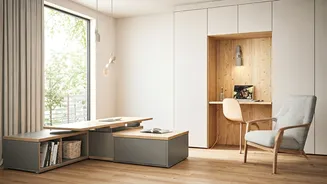
a laptop on a shoebox. It’s about thoughtfully outfitting a closet with a narrow desk, floating shelves, and good lighting. By installing a fold-down desk surface, you can preserve storage space for clothes or supplies. When the workday is done, you simply close the doors, and the visual clutter of your job vanishes. This brilliant hack reclaims underutilized space and creates a crucial boundary between work and life, all within a few square feet.
Furniture That Does Double (or Triple) Duty
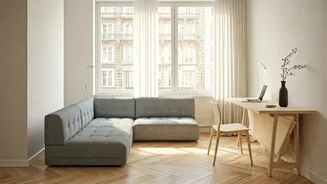
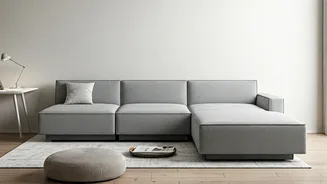
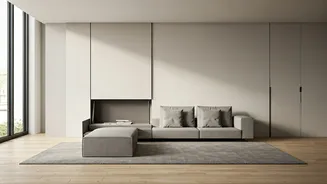
The era of the single-purpose furniture piece is fading, especially in compact homes. Today’s market is filled with ingenious, convertible items that adapt to your needs throughout the day. The most famous example is the Murphy bed, which has evolved from a clunky punchline into a sleek, modern centerpiece that can fold away to reveal a desk or shelving. Beyond that, look for coffee tables that lift to become dining surfaces, ottomans with hidden storage inside, and modular sofas that can be reconfigured from a sectional into separate chairs. This approach isn't about having less; it's about having smarter pieces that allow a living room to become a dining room, a bedroom to become a workspace, or a den to become a guest room in minutes.
Creating Zones Without Walls
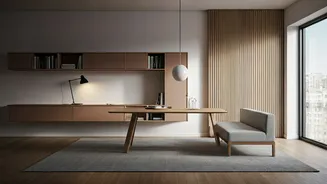
In open-plan studios and small apartments, creating a sense of separation is key to making the space feel organized and intentional. But building walls isn't practical. Instead, designers use ‘soft zoning’ techniques to delineate areas. A large area rug, for instance, can visually anchor a living room setup, separating it from the kitchen area just a few feet away. A strategically placed open-backed bookshelf can divide a sleeping area from a living space while still allowing light to pass through, avoiding a boxed-in feeling. Even a change in lighting—like a pendant lamp over a dining table or a floor lamp in a reading corner—can create a distinct ‘zone’ without a single physical barrier, giving each part of the room its own identity and purpose.
Movable Walls and Smart Dividers
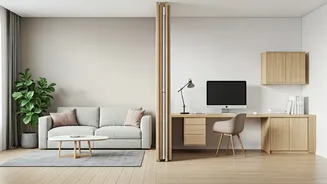
For those willing to invest a bit more, the concept of the flexible wall is gaining traction. This goes beyond a simple folding screen. Architects are incorporating lightweight, sliding partitions or even heavy, sound-dampening curtains on ceiling tracks to allow residents to completely reconfigure a layout on demand. Imagine a large, open living area that can be split into a private home office and a smaller TV nook during the day, then opened back up for entertaining in the evening. Glass partitions with optional curtains offer another popular solution, providing visual separation and noise reduction while maintaining a sense of openness and light—the best of both worlds.
The Multi-Purpose Room Perfected
The humble guest room, which often sits empty for 50 weeks a year, is the prime candidate for a flexible-space makeover. By combining a wall bed with modular shelving and a portable workout station, it can function as a home gym, a library, and a quiet retreat day-to-day. When guests arrive, the yoga mat is rolled up, the bed is pulled down, and the room transforms. The key is choosing furniture and storage that serve these multiple functions seamlessly. A deep cabinet can hide foldable exercise equipment, and a rolling cart can serve as a mobile desk or a nightstand, adapting to whatever role the room needs to play at that moment.