




The Mindset Shift: From Style to Strategy
For decades, air travel was synonymous with glamour. Passengers dressed up, turning the airport into a fashion runway. While that era is long gone, a lingering pressure to look 'put-together' often leads to poor choices: restrictive jeans, complicated
shoes, and fabrics that don't breathe. The smart traveler understands that true travel savvy lies not in peacocking, but in pragmatism. Choosing comfortable clothing isn't an act of giving up; it's a deliberate strategy to eliminate friction from the travel experience. It’s about conserving your physical and mental energy for the destination, not wasting it on enduring discomfort in transit. Every decision—from fabric to fit—is made to make the journey smoother, calmer, and more efficient.
The Unseen Benefits for Health and Well-Being
Your clothing choices on a long travel day have a direct impact on your health. Tight, constricting items, especially around the waist and legs, can impair circulation. On long flights, this elevates the risk of deep vein thrombosis (DVT), a serious condition where blood clots form in the legs. Loose-fitting pants, soft joggers, or compression socks are a simple, effective countermeasure. Beyond circulation, comfort is about temperature regulation. Airplane cabins are notorious for their wild temperature swings—freezing one moment, stuffy the next. Dressing in breathable, natural fibers and employing a layering system allows you to adapt instantly, preventing the discomfort of being too hot or too cold, which can contribute to fatigue and a weakened immune system.
The Genius of a Versatile Wardrobe
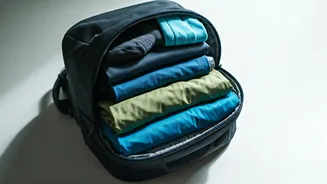
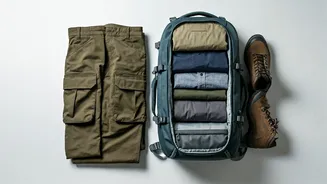
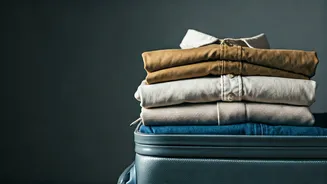
Comfortable clothing is almost always versatile clothing. A well-made pair of travel pants in a neutral color can be worn on a plane, on a walking tour, and even dressed up for a casual dinner. A soft merino wool sweater serves as a pillow, a blanket, and a stylish layer. This focus on multi-use items is the cornerstone of packing light. When your travel wardrobe is built on a foundation of comfortable, interchangeable pieces, you eliminate decision fatigue and the burden of an overstuffed suitcase. You're no longer packing for every hypothetical scenario; you’re packing a reliable kit that can handle almost anything. This approach saves you from checked bag fees, wrestling with a heavy suitcase on cobblestone streets, and the stress of a cluttered hotel room.
Fabric Is Your First Line of Defense
The secret to all-day comfort isn't just about a loose fit; it's about the material itself. While 100% cotton is a classic, it can be a poor choice for travel as it absorbs moisture and dries slowly. Smart travelers prioritize performance fabrics. Merino wool is the gold standard: it's incredibly soft, naturally regulates temperature, wicks moisture away from the skin, and is impressively odor-resistant, meaning you can wear it multiple times before washing. Other excellent choices include Tencel (Lyocell), which is soft, breathable, and sustainable, and high-quality synthetic blends designed for athletic wear, which offer stretch, durability, and quick-drying properties. Investing in a few key pieces made from these superior fabrics will fundamentally change your travel experience.
Mastering the Art of the Layer
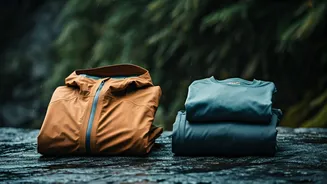
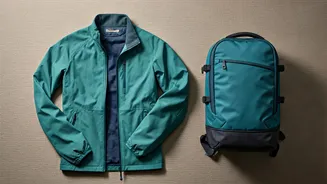
The single most effective tactic for comfortable travel is layering. This simple system allows you to create your own microclimate, adapting to any environment with ease. The ideal layering system starts with a soft, moisture-wicking base layer (like a t-shirt made of a merino blend). The mid-layer provides insulation; think a lightweight fleece, a zip-up hoodie, or a cashmere sweater. Finally, a versatile outer layer—like a packable windbreaker or a simple travel blazer—can offer protection from wind and light rain. A large scarf or pashmina is the ultimate travel accessory in this system, functioning as a blanket, a pillow, a head covering, or an extra layer of warmth as needed. With this approach, you're prepared for a stuffy airport bus, a chilly airplane cabin, and the surprise weather that awaits you upon arrival.