




The Myth of the 'Wrong' Season
For most American travelers, planning a trip to Rajasthan, the desert state where Udaipur lies, means aiming for the cool, dry winter months between October and March. Travel guides and conventional wisdom warn of the monsoon’s humidity, downpours, and potential
for disruption. It’s painted as the “off-season” for a reason, the logic goes. But this perspective misses the point entirely. The monsoon doesn't ruin Udaipur; it completes it. The rain is not an inconvenience to be avoided but the main character in a city-wide drama of renewal. While you might face an occasional intense downpour, they are often predictable, arriving in the afternoon and leaving the air cleansed and the evenings cool. Instead of a day-ruiner, the rain becomes a welcome interlude, a reason to duck into a cozy cafe for a hot cup of chai and watch the world wash clean.
A City Reborn in Green and Blue
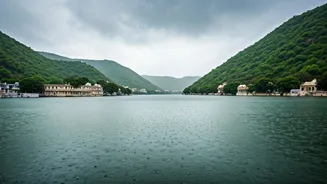
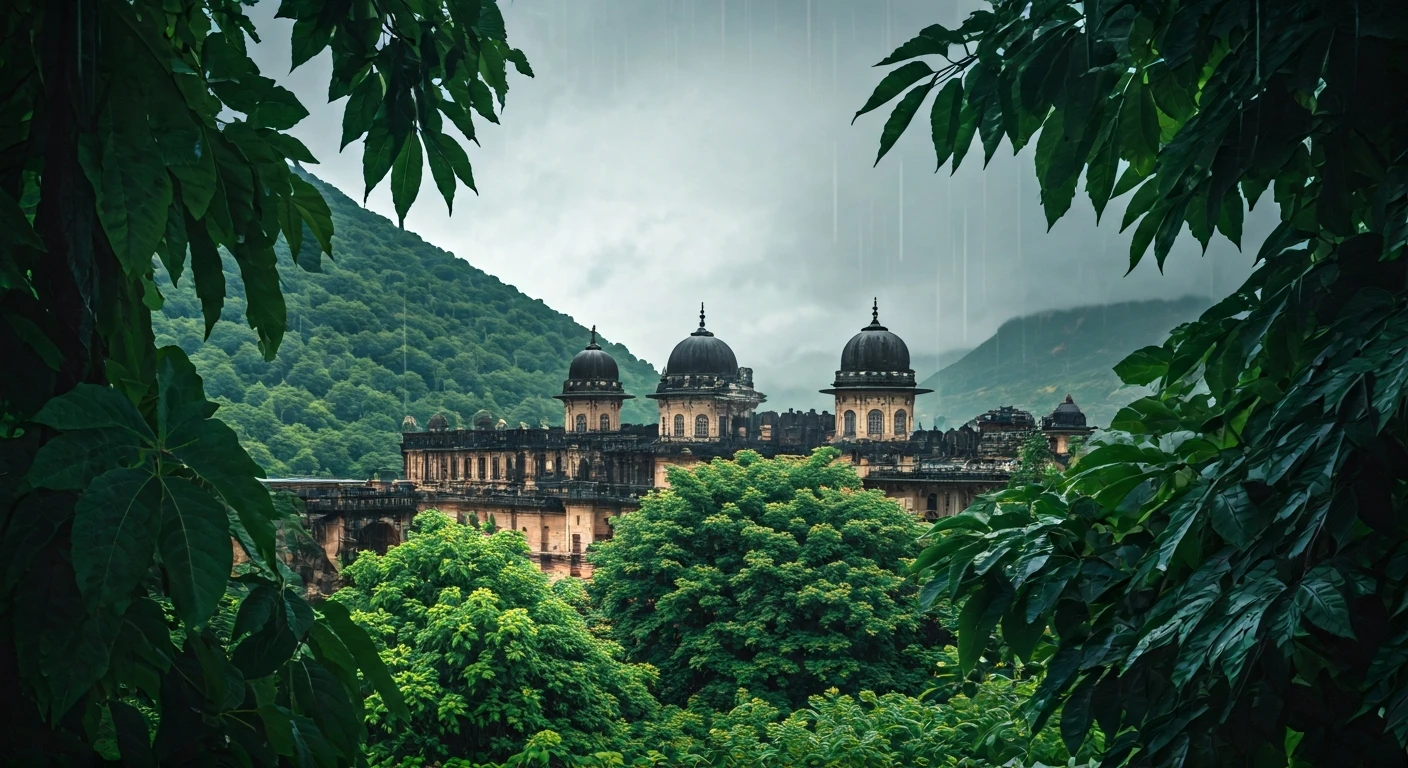
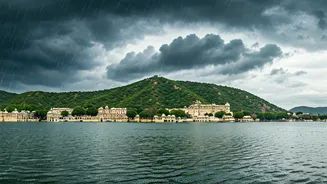
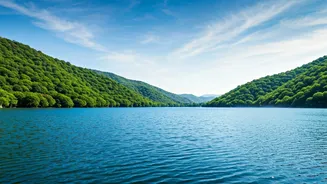
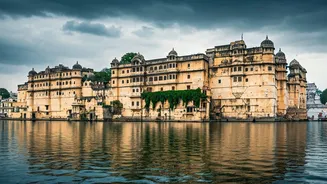
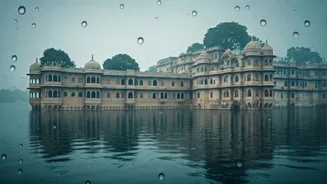
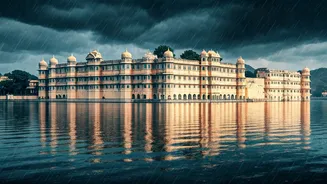
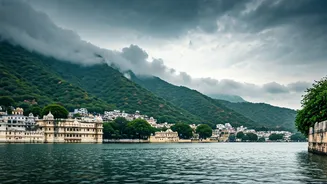
The name “City of Lakes” can feel almost ironic during the dry heat of May, when lakebeds are exposed and the surrounding Aravalli Hills are a dusty, beige-brown. The monsoon changes everything. It’s a transformation so dramatic it feels like a cinematic special effect. The parched hillsides erupt into a startling, almost impossibly lush green. The city’s famous lakes—Pichola, Fateh Sagar—swell with fresh rainwater, their surfaces shimmering under dramatic, cloud-filled skies. Suddenly, the intricate network of canals and waterways makes sense. Boat rides on Lake Pichola, a standard tourist activity, become something else entirely. Gliding past the iconic Lake Palace hotel, which appears to float majestically on the replenished waters, feels less like a tour and more like stepping into a Moghul-era painting. The city is literally and figuratively brought back to life.
An Intimate Encounter with Royalty
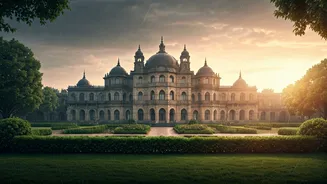
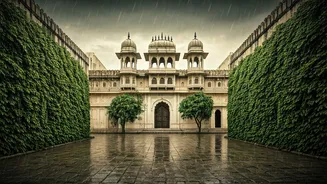
One of the most practical and profound benefits of a monsoon visit is the absence of overwhelming crowds. In peak season, magnificent sites like the City Palace can feel more like a queue at Disney World than a regal residence. You’re often shuffling through corridors, craning your neck to see over a sea of heads. But during the monsoon, the tempo slows. You can wander through the palace’s ornate courtyards and mirrored halls with a sense of discovery, not desperation. You might find yourself alone in a room, able to appreciate the intricate details of a fresco or gaze out a window onto the rain-swept lake in contemplative silence. This quieter, more personal atmosphere extends to the city’s markets, restaurants, and hotels, which often offer lower rates. It’s a chance to experience the city as a resident might, not just as one of a million tourists.
A Feast for the Senses
More than anything, monsoon in Udaipur is a sensory experience. It’s the sound of rain tapping against ancient marble, a rhythm that has echoed through the city for centuries. It’s the earthy, intoxicating smell of petrichor—the scent of rain hitting dry ground—mingling with the fragrance of jasmine flowers. And it’s the taste of monsoon-specific delights. Locals flock to street vendors for hot, crispy pakoras (fried vegetable fritters) and spicy corn on the cob, the perfect comfort food for a grey day. The romance of Udaipur in the monsoon isn't just about the beautiful scenery; it’s about this full-bodied immersion. It’s about sitting on a covered balcony at a haveli-turned-hotel, watching lightning fork across the sky over the illuminated palaces, and feeling a deep, peaceful connection to the place.