
First, What Is a 'Thela'?
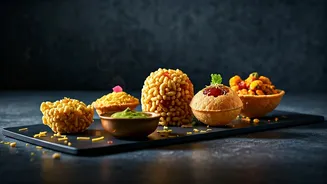
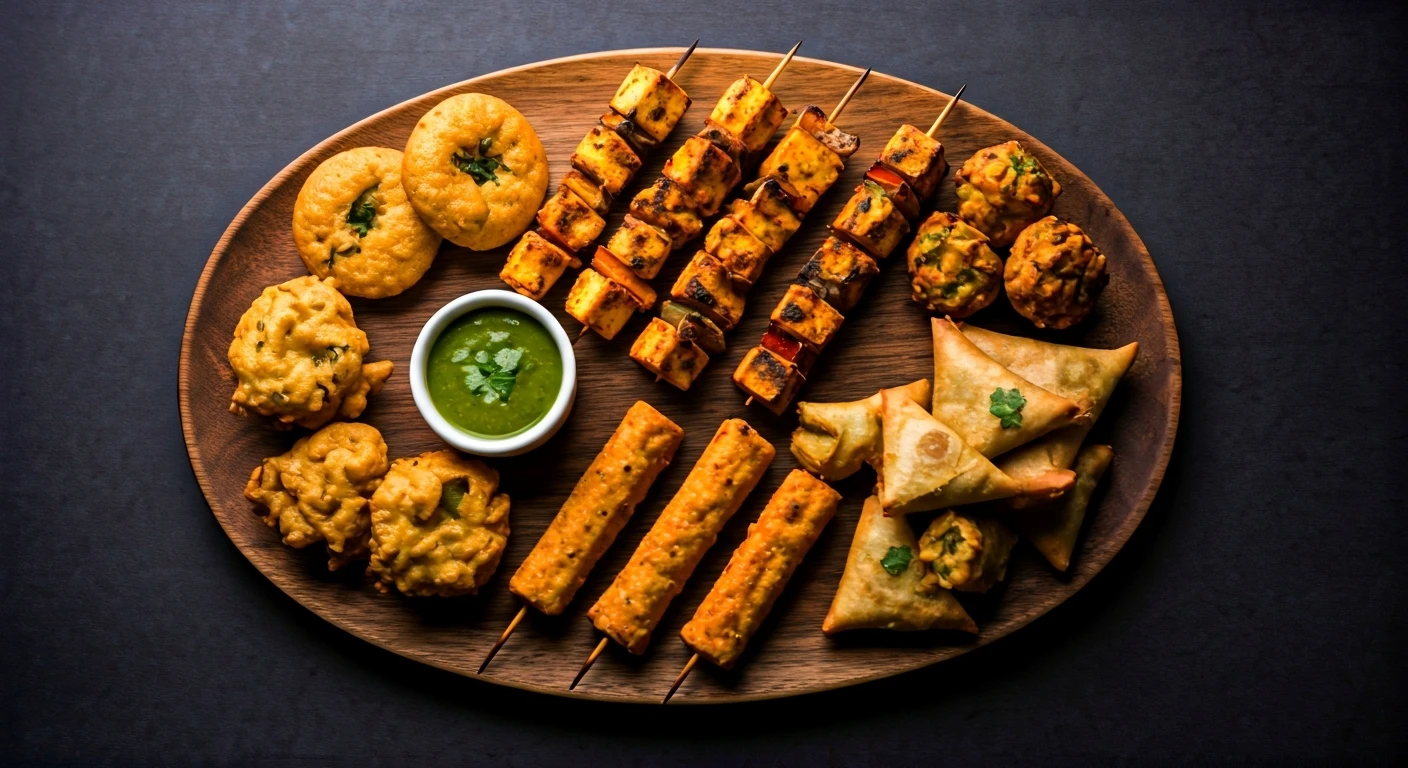
Imagine a food truck, but smaller, more agile, and without the engine. A 'thela' is a hand-pushed cart, the epicenter of street food culture across India. It's not just a place to grab a quick bite; it's a sensory spectacle. You hear the sizzle of hot
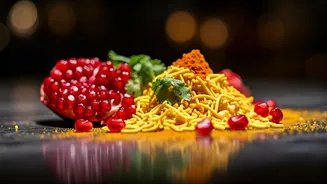
oil, smell the intoxicating blend of toasted cumin, coriander, and chili, and see vendors assemble dishes with dizzying speed and precision. The excitement comes from this immediacy: food made fresh, right in front of you, often customized to your preferred level of spice or tang. A thela is the home of 'chaat'—a category of savory snacks that explodes with a complex mix of sweet, sour, spicy, and crunchy. It’s the opposite of a sterile, sealed package on a quiet grocery store shelf.
The Corporate Quest for Cool
So why are billion-dollar food conglomerates suddenly obsessed with this hyperlocal, informal food scene? It's a convergence of powerful market forces. First, American palates are becoming more adventurous. Decades of immigration, global travel, and the internet food scene (think Anthony Bourdain or your favorite food vlogger) have created a consumer base eager for authentic, bold, international flavors. This trend, often called 'flavor tourism,' lets people explore a culture through their taste buds, no passport required. Second, food companies are desperate for growth. The center aisles of the grocery store, filled with legacy brands, are stagnant. The only way to win is to innovate, and borrowing from a globally beloved, high-energy food culture is a shortcut to appearing relevant and exciting, especially to younger, more diverse Millennial and Gen Z shoppers.
From Street Cart to Shopping Cart
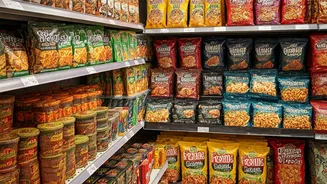
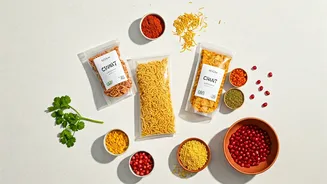
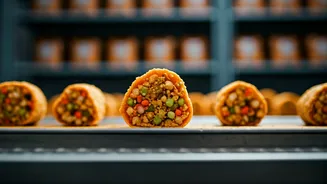
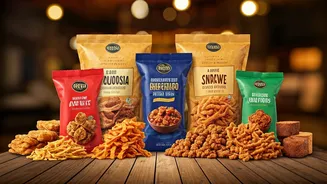
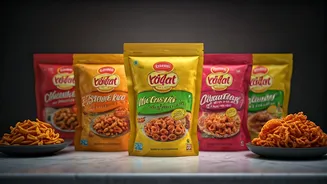
The evidence is already appearing in your local supermarket. Look at the chip aisle. For years, PepsiCo has sold flavors like 'India's Magic Masala' Lays in India, a massive hit that captures the savory, spicy, and tangy 'chatpata' flavor profile central to thela snacks. Now, those and similar flavors are making their way to the U.S. and other international markets, either as limited-edition runs or permanent fixtures. It's not just chips. You can find meal kits promising the experience of 'pani puri' (hollow crisps filled with spiced water, potatoes, and chickpeas), shelf-stable sauces mimicking the tangy tamarind and spicy mint chutneys that are staples of every thela, and frozen appetizers inspired by dishes like 'dahi puri' or 'sev puri.' These products are designed to offer a convenient, low-risk entry point to flavors that might otherwise seem intimidating to prepare from scratch.
The Authenticity Tightrope
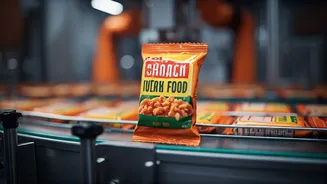
Herein lies the challenge. The very essence of thela-style excitement is its freshness, customization, and the skill of the vendor—qualities that are nearly impossible to replicate in a factory setting. Can a flavor profile developed in a lab and produced by the ton in a sanitized facility truly capture the soul of a dish made by hand, to order, on a bustling street? The risk for brands is twofold. If they tone down the flavors too much for a perceived 'mainstream' palate, they alienate the very consumers seeking that authentic kick and are accused of bland commercialization. But if they get the cultural nuances wrong or engage in clumsy marketing, they risk being called out for appropriation. It's a delicate dance between honoring a source of inspiration and simply mining it for profit. The most successful attempts will be those that feel less like a costume and more like a genuine homage.