






The 'Fitness Snack' Revolution
Forget the idea that a workout doesn't 'count' unless it’s 60 minutes long and leaves you breathless. The new wisdom embraces 'fitness snacks'—short bursts of activity spread throughout the day. This could be a 10-minute walk after a meeting, a quick
set of squats while waiting for your coffee to brew, or a 15-minute yoga flow before bed. The science supports it: studies show that accumulating physical activity in short bouts provides similar cardiovascular and health benefits to one continuous session. This approach dismantles the biggest barrier for many: time. It reframes exercise not as a monolithic event you must schedule, but as a series of small, manageable choices that add up.
Hybrid Models and the 'Third Space'
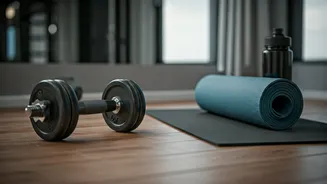
The pandemic didn't kill the gym; it just changed our relationship with it. Many people now operate in a hybrid model, combining the convenience and privacy of at-home workouts with the community and equipment of a physical gym. People might stream a yoga class in their living room on Monday, hit the gym for heavy lifting on Wednesday, and go for a long run on Saturday. This 'third space' approach gives users ultimate control. It allows them to choose their workout based on their mood, schedule, and specific goals for that day, rather than being locked into a single environment. Gyms and fitness studios are adapting, offering flexible memberships and robust digital libraries to cater to this new demand for versatility.
Technology as a Personal Guide
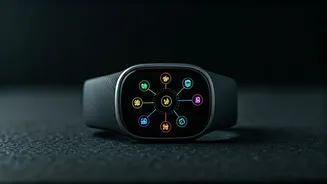
Your phone and smartwatch are no longer just for tracking steps. They’ve become sophisticated fitness guides. Apps like Apple Fitness+, Peloton Digital, and Nike Training Club offer vast libraries of on-demand workouts, from HIIT and strength training to meditation and Pilates, led by world-class instructors. Wearables provide real-time feedback on heart rate, sleep quality, and recovery, helping people make smarter decisions about when to push themselves and when to rest. This technology democratizes personal training, making personalized data and expert guidance accessible and affordable. It empowers users to understand their own bodies better and tailor their fitness journey with a level of precision that was once reserved for elite athletes.
Redefining What Counts as a 'Workout'
For too long, 'working out' was narrowly defined as high-intensity, sweat-drenched activity. Today, the definition is expanding to include a wider spectrum of movement that supports overall well-being. This includes prioritizing low-impact, steady-state (LISS) cardio like long walks, which are excellent for cardiovascular health and mental clarity without taxing the joints. It also means placing a new emphasis on recovery practices. Activities like stretching, foam rolling, and mobility work are no longer seen as optional add-ons but as essential components of a balanced fitness routine. This holistic view recognizes that rest and gentle movement are just as crucial for progress and longevity as intense effort.
Movement for Mental Health
Perhaps the most significant shift is the 'why' behind exercise. While aesthetic goals and performance metrics haven't disappeared, they are increasingly sharing the stage with mental and emotional benefits. More and more people are turning to movement as a tool for stress management, anxiety reduction, and mood enhancement. A run might be less about hitting a certain pace and more about clearing one's head after a stressful day. A yoga class might be chosen for its meditative qualities rather than its calorie burn. This evolving motivation makes fitness a form of self-care, transforming it from a chore to be endured into a practice to be enjoyed. When movement feels good for your mind, you’re far more likely to stick with it for life.