


More Than Just Mouth-Numbing Heat
For decades, the American approach to “spicy” was one-dimensional, often limited to the brute force of cayenne or jalapeño. But the new wave of boldness is about complexity, not just combustion. It’s a full-spectrum sensory experience that includes the smoky
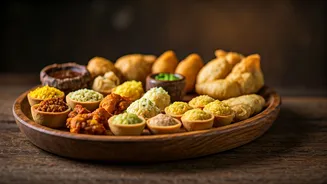
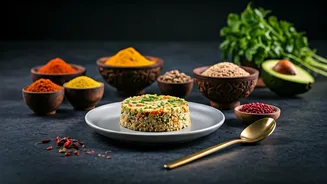
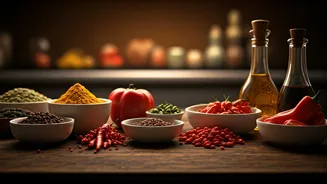
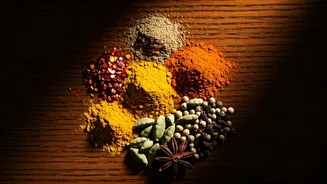
depths of urfa biber from Turkey, the tangy, citrusy punch of sumac from the Middle East, and the fruity, slow-building warmth of Aleppo pepper. These ingredients aren’t just adding heat; they're adding character, history, and a specific sense of place. Think of the fermented, savory funk of Korean gochujang, which brings a sweet-hot-umami trifecta that ketchup could only dream of. Or za'atar, the herbal, nutty, and tart Middle Eastern blend that transforms everything from roasted vegetables to simple flatbread. The new rule is that if a flavor is going to be bold, it must also be interesting. We're moving away from spice as a punishment and toward spice as a story.
The Social Media Flavor Funnel
So, why now? A huge part of the answer lies in your phone. Platforms like TikTok and Instagram have become a global flavor funnel, democratizing culinary discovery. A food creator in Seoul can post a video making kimchi-jjigae that gets millions of views in Minneapolis, sending people on a hunt for gochugaru (Korean chili flakes). A home cook in New York can demonstrate the magic of chili crisp, and suddenly, jars of Fly By Jing or Lao Gan Ma are selling out at local supermarkets. This digital exposure bypasses traditional gatekeepers. Before, a flavor had to be “discovered” by a high-end chef and slowly trickle down to the masses, often getting diluted along the way. Now, demand bubbles up directly from consumers who have seen the real deal online and want to taste it for themselves. They aren't looking for an “Americanized” version; they want the authentic, vibrant flavor they saw in the video.
Authenticity Is the New Mainstream
This movement is intrinsically linked to a broader cultural demand for authenticity. The phrase “without any apology” is key. For years, many international cuisines were toned down for a presumed-bland American palate. Spices were reduced, funk was eliminated, and heat was minimized to make dishes more “approachable.” That era is decisively over. Diners and home cooks are rejecting the watered-down fare of the past. This is partly driven by a new generation of chefs and entrepreneurs—often second- or third-generation Americans—who are proudly centering the flavors of their heritage without compromise. They are opening restaurants and launching food products that celebrate the pungent, the fermented, and the fiery. Fast-casual chains like CAVA have made ingredients like harissa and schug household names, not as exotic novelties but as standard, popular choices. It’s a declaration that these flavors don't need to be softened to be loved; they are perfect as they are.
A Pantry for a Connected World
The grocery store aisle is the final frontier, and it has been conquered. Ten years ago, finding za'atar or Aleppo pepper might have required a trip to a specialty market. Today, they sit in the spice aisle at Kroger and Safeway, right next to the oregano and black pepper. This accessibility is a game-changer, empowering home cooks to experiment with the flavors they've encountered in restaurants or online. It reflects a fundamental shift: our pantries are becoming as globalized as our playlists. Having a jar of harissa paste next to the mustard is no longer unusual; it’s the new normal for a curious, connected cook. This isn't just about making food spicier—it's about building a more expansive flavor vocabulary and having the tools on hand to use it any night of the week.