


More Than a Tropical Cliché
For many Americans, coconut evokes images of beach vacations and dessert—sweet, shredded flakes on a cake or the creamy base of a tropical drink. But in the coastal states of South India, like Kerala and Tamil Nadu, coconut is not a novelty; it's the versatile,
foundational pillar of an entire culinary identity. Here, the ingredient is a master of disguise, providing texture, richness, and a subtle, savory depth that goes far beyond sweetness. It’s this multifaceted personality that has started to capture the imagination of chefs looking for new frontiers of flavor. They are discovering what South Indian families have known for centuries: coconut is a culinary workhorse, capable of transforming a simple dish into something extraordinary.
The South Indian Coconut Pantry
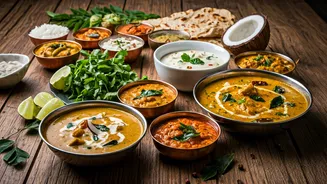
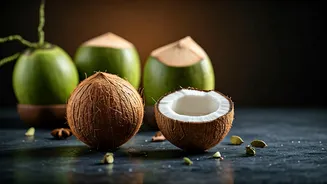
The secret to South Indian coconut mastery lies in using every part of the fruit in myriad ways. This isn't just about opening a can of coconut milk. The regional pantry includes freshly grated coconut, often flash-cooked with spices in dishes called *thorans* (stir-fries). There’s thick, luscious coconut cream for finishing rich curries like *ishtew* (a mild stew), and thin coconut milk for simmering vegetables and fish. Unrefined, cold-pressed coconut oil provides a clean, nutty base for cooking and for tempering spices—a technique known as *tadka* or *chaunk*. Toasted coconut adds a deep, almost smoky complexity, while fermented coconut sap creates toddy vinegar, a tangy, acidic ingredient that can brighten a sauce or pickle. This sophisticated vocabulary of coconut is what gives the cuisine its incredible range.
From Traditional Kitchens to Trendsetting Menus
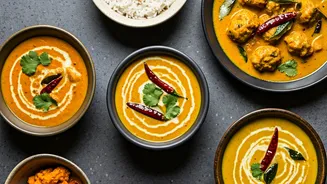
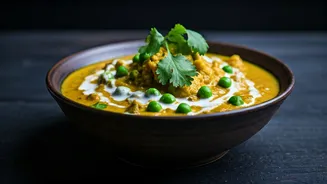
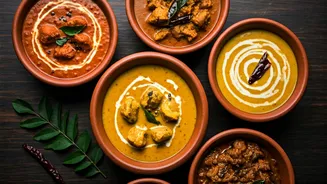
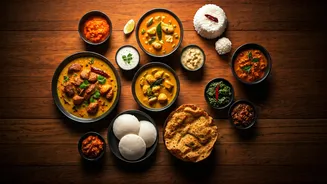
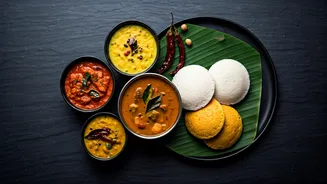
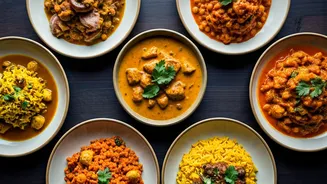
Classic South Indian dishes provide the blueprint for this trend. Consider *avial*, a celebrated Keralan dish where a medley of vegetables is gently cooked in a delicate sauce of ground coconut, yogurt, and cumin. Or *meen moilee*, a stunningly simple fish curry that uses coconut milk to create a fragrant, light broth flavored with turmeric, green chilies, and curry leaves. These dishes showcase a balance and subtlety that stands in stark contrast to the often overpowering coconut flavors found in Westernized Asian food. Now, innovative chefs are deconstructing these ideas. You might see a fine-dining restaurant serve a scallop with a coconut-ginger foam inspired by a moilee, or a modern vegetable side dish described as a “charred cabbage thoran,” borrowing the South Indian technique of folding spiced, grated coconut into a dry stir-fry.
Why Now? An Appetite for Nuance
Several factors are driving this coconut renaissance. Firstly, there’s a growing culinary curiosity for deeply regional, specific cuisines over broad, generic labels like “Indian food.” Diners and chefs alike are excited to explore the distinct flavors of Kerala, Goa, or Karnataka. Secondly, the rise of plant-based eating has put coconut in the spotlight as a source of dairy-free creaminess and fat. It can create a luscious, satisfying mouthfeel without butter or cream. Finally, as palates become more adventurous, the complex interplay of savory, tangy, and subtly sweet notes in South Indian coconut dishes offers a new and exciting experience. It’s a flavor profile that is simultaneously comforting and complex, hitting all the right notes for the modern diner seeking both authenticity and innovation.