

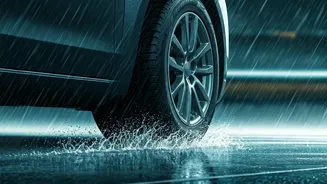




Start With Your Vehicle's Shoes
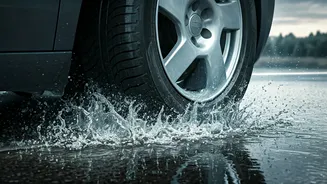
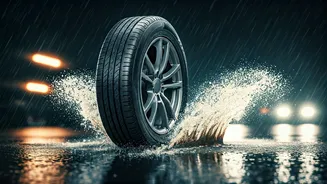
The most important safety features in wet weather are the ones that actually touch the road: your tires. Before the rainy season begins, take a moment to check their condition. Worn tires can't channel water away effectively, dramatically increasing your risk
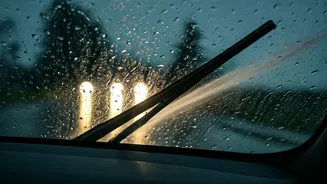
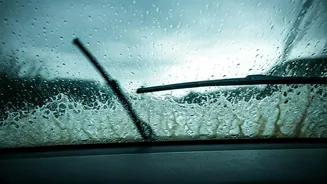
of hydroplaning. The classic penny test is a reliable gauge: place a penny with Lincoln's head upside down in your tread. If you can see the top of his head, your treads are too shallow, and it's time for new tires. Also, ensure they are properly inflated. Underinflated tires can handle poorly, while overinflated ones have a smaller contact patch with the road. While you're at it, check your windshield wipers. If they're cracked, brittle, or leave streaks, replace them immediately. Clear vision is non-negotiable.
Respect the First 15 Minutes
The most dangerous time to be on the road is often the first 15 to 30 minutes after rain begins to fall. During dry spells, engine oil, grease, and other slick residues accumulate on the pavement. When light rain starts, it doesn't wash these substances away; it lifts them to the surface, creating an invisible, exceptionally slippery film. This mixture is often more treacherous than a heavy downpour that eventually cleans the road. Be extra cautious during this initial window, reducing your speed more than you think you need to and increasing your following distance.
Understand Hydroplaning (and How to React)
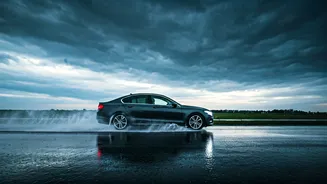
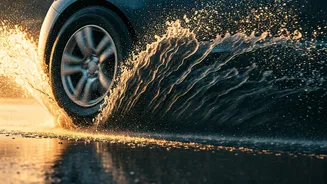
Hydroplaning is one of the most frightening experiences a driver can have. It occurs when a layer of water builds up between your tires and the road surface, causing a loss of traction that makes you feel like you’re sliding on ice. Speed is the primary cause. Your instinct might be to slam on the brakes or jerk the steering wheel, but those actions can send you into a spin. The correct response is counterintuitive: calmly take your foot off the accelerator. Do not brake. Keep the steering wheel pointed straight ahead. As your vehicle slows down, the tires will reconnect with the pavement and you'll regain control. Only then should you apply gentle braking if necessary.
Turn Off Cruise Control
Cruise control is a fantastic tool for long stretches of dry, open highway. On wet roads, it’s a liability. The system is designed to maintain a constant speed. If you hydroplane, your wheels will spin faster as they lose traction. Cruise control will interpret this as a need to accelerate to maintain the set speed, making the situation significantly worse. Manually controlling the accelerator allows you to feel the road and react instantly to any loss of grip. Always disengage cruise control at the first sign of rain.
Double Your Following Distance
On a dry day, the “three-second rule” is a good benchmark for a safe following distance. In the rain, that’s not enough. You need to double it to at least five or six seconds. Braking distances can easily double on wet pavement. To measure your distance, watch the vehicle in front of you pass a fixed object like a sign or an overpass. Then, count the seconds it takes for you to pass the same object. This expanded buffer gives you more time to react to sudden stops and also helps reduce the blinding spray kicked up by the car ahead.
See and Be Seen
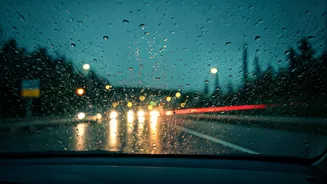
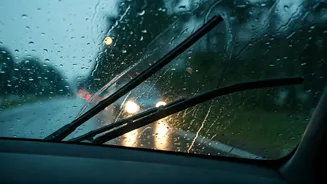
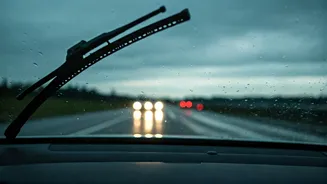
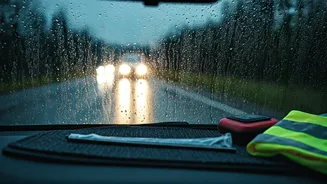
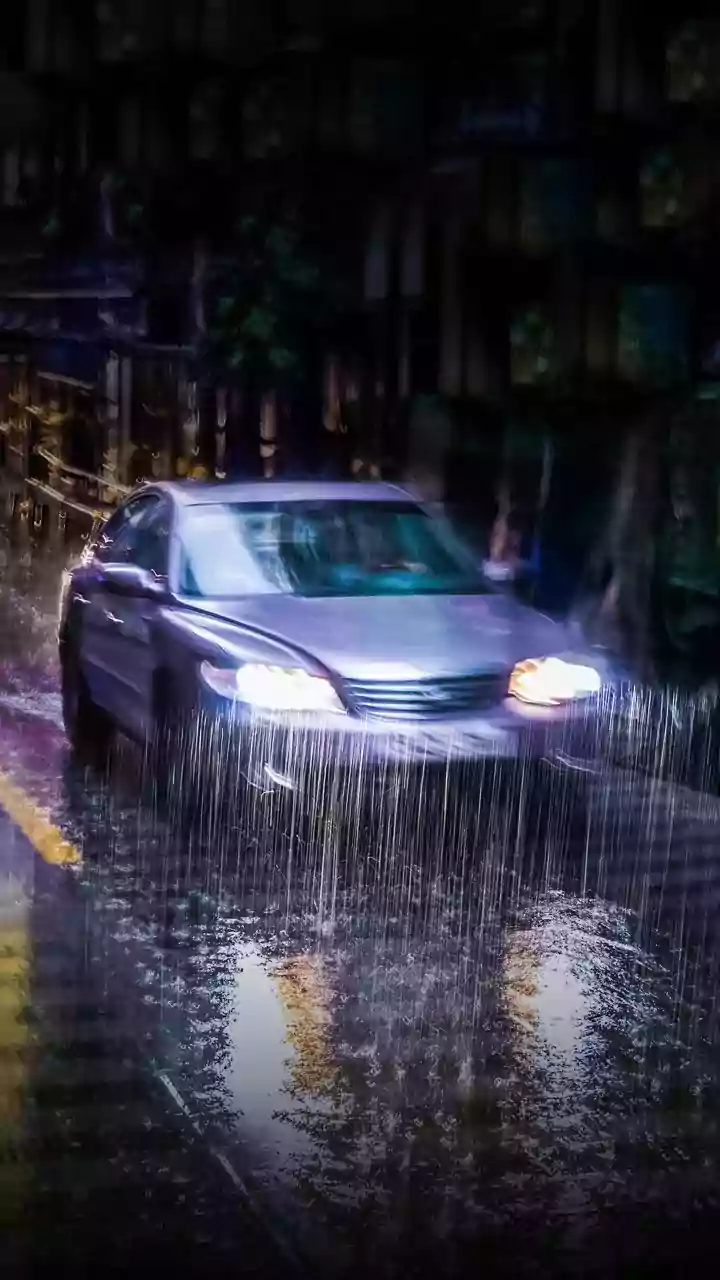
Rain and road spray create a gray, low-contrast world where it’s difficult to distinguish other vehicles. In these conditions, it’s not just about what you can see; it’s about making sure others can see you. Turn on your headlights. In many states, it’s the law to have your lights on whenever your windshield wipers are operating. This simple act makes your vehicle dramatically more visible to both oncoming traffic and drivers behind you. Avoid using your high beams, as the bright light can reflect off the raindrops and create glare for you and other drivers.