






The New Lunch-Break Workout
Forget the traditional noon-to-one gym session. For a rideshare driver or a freelance courier, the workday doesn't have a built-in break. Instead, it’s a series of unpredictable lulls: the 20 minutes waiting for a food delivery order to be ready, the 45-minute
gap between airport drop-off and the next ride request, or the quiet mid-afternoon hour for a shopper awaiting a new batch. This is the new frontier of fitness. Rather than scrolling through their phones, a growing number of these workers are transforming these fragments of time into “fitness snacks.” A driver might keep a set of resistance bands in their trunk for a quick strength session in a quiet corner of a parking lot. A delivery cyclist might use a 15-minute wait to do bodyweight squats and push-ups against a park bench. It’s a pragmatic solution to a modern problem: how to stay healthy in a job defined by its lack of structure. This isn't about marathon training; it's about stringing together small, consistent efforts that add up.
An Antidote to a Sedentary Gig
For many in the gig economy, particularly in the booming transportation and delivery sectors, the job is dangerously sedentary. Spending eight to ten hours a day behind the wheel can take a serious toll on physical health, contributing to back pain, weight gain, and other issues associated with a lack of movement. This fitness trend isn't just a matter of preference; for many, it's a proactive measure for long-term well-being and career longevity. By seizing these small windows of opportunity, workers are directly counteracting the negative physical effects of their jobs. The driver who walks three laps around a suburban park while waiting for their next passenger isn’t just killing time—they're improving circulation, stretching their legs, and clearing their head. It represents a fundamental shift in thinking: instead of viewing the car as a workspace, it becomes a mobile base of operations from which to launch brief, targeted wellness activities. This ingenuity turns a potential health liability into a chance for physical improvement.
The Minimalist's Gym Bag
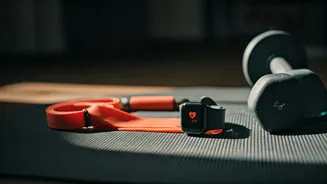
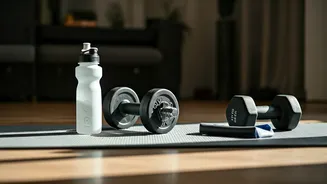
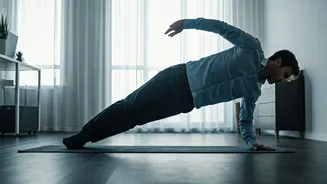
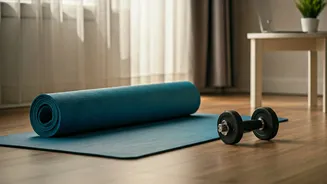
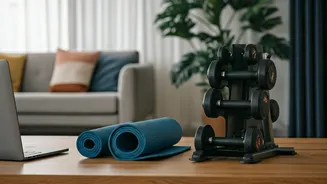
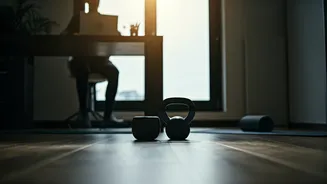
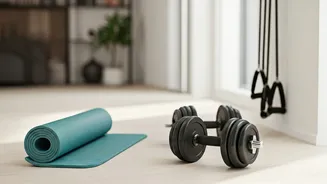
You won’t find complicated equipment here. The beauty of this trend is its simplicity and accessibility. The “gym” is wherever you can park your car or bike, and the equipment is either portable or readily available. The most common tools are a testament to this minimalist approach. Bodyweight exercises are king: planks, lunges, push-ups, and squats require no equipment and can be done almost anywhere. Resistance bands are another favorite; they are cheap, lightweight, and can be easily stored in a glove compartment to provide a full-body workout. Some workers keep a yoga mat or a kettlebell in the trunk. Others leverage their environment, using park benches for dips, playground bars for pull-ups, or simply finding a good set of stairs to run. This resourcefulness proves that a lack of access to a traditional gym is no longer a barrier to staying active.
Reclaiming Control and Sanity
Beyond the physical benefits, these micro-workouts offer a significant psychological boost. A core challenge of gig work is the feeling of being at the mercy of an algorithm—constantly waiting for the app to “ping” with the next job. This passive state can be mentally draining and stressful. Choosing to use that downtime for a workout is an act of reclaiming control. Instead of anxiously staring at a screen, workers are making an active choice to invest in themselves. A quick burst of physical activity can reduce stress, improve mood, and break the monotony of the day. It provides a sense of accomplishment and structure in a career that often lacks both. For many, it’s less about sculpting the perfect physique and more about preserving their mental health, finding a moment of personal agency in a system that can often feel impersonal and demanding.