

The Convenience Tax on Vitamins
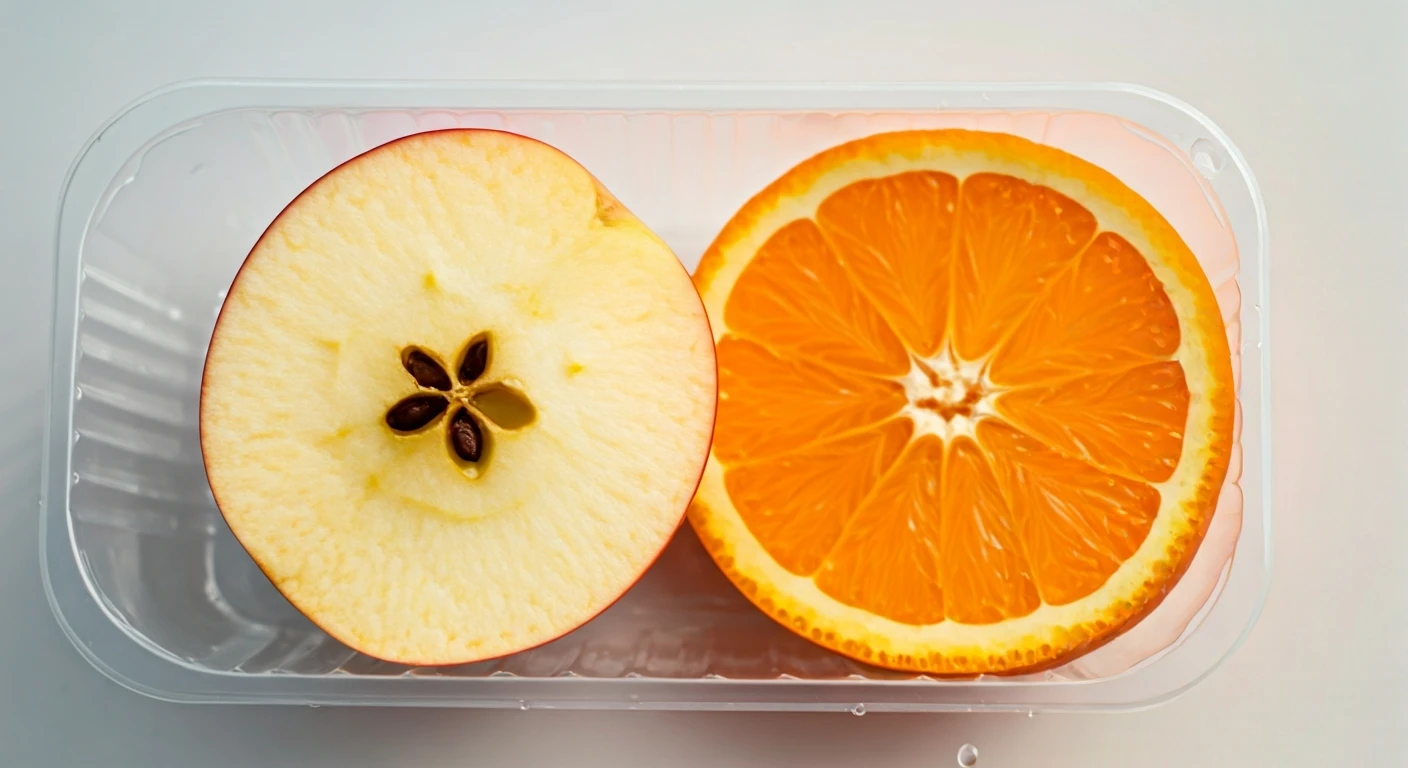
The moment a fruit’s flesh is exposed to air and light, a nutritional countdown begins. Slicing, dicing, and cubing create massive surface area, inviting oxidation to degrade essential, light-sensitive vitamins. Vitamin C, a powerful antioxidant abundant
in everything from strawberries to cantaloupe, is one of the first casualties. Studies have shown that cut fruits can lose a significant percentage of their Vitamin C content within just a few days of refrigeration compared to their whole counterparts. The same goes for other beneficial compounds like polyphenols and carotenoids. While pre-cut fruit is still far better than no fruit at all, you're essentially paying a premium for a product that is, by its very nature, nutritionally compromised from the second it's processed.
A Watery, Flavorless Fate
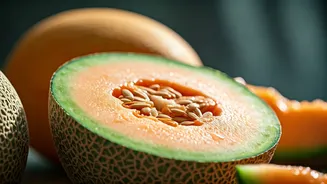
There’s a reason that pre-cut cantaloupe often tastes like a sad, watery ghost of the real thing. To withstand the rigors of industrial chopping, washing, and transportation, produce destined for the plastic box is typically picked well before its peak ripeness. A melon that’s ready for the processing line is not the same fragrant, sun-ripened melon you’d choose yourself at the farmers market. This premature harvest means the natural sugars haven't fully developed, resulting in a bland flavor profile. The texture also suffers. The cell walls of the fruit are ruptured during cutting, which causes them to lose water and structural integrity, leading to that disappointingly mealy or mushy consistency. The best-tasting fruit is fruit that has been allowed to ripen fully and is eaten shortly after being cut.
You’re Paying for Air and Plastic
The financial argument against pre-cut fruit is perhaps the most straightforward. Do a quick price-per-pound comparison next time you’re at the store. A container of pre-cubed watermelon can cost two to three times more than a whole watermelon of the same weight. You are paying a hefty surcharge for someone else to do a few minutes of knife work. Beyond your wallet, there's the environmental cost. Each of those convenient containers is a piece of single-use plastic, contributing to a massive global waste problem. Buying a whole pineapple, a bunch of grapes, or a bag of oranges comes with minimal, often recyclable or compostable, packaging. Opting for whole fruit is an easy and impactful way to reduce both your grocery bill and your plastic footprint.
A Welcome Mat for Bacteria
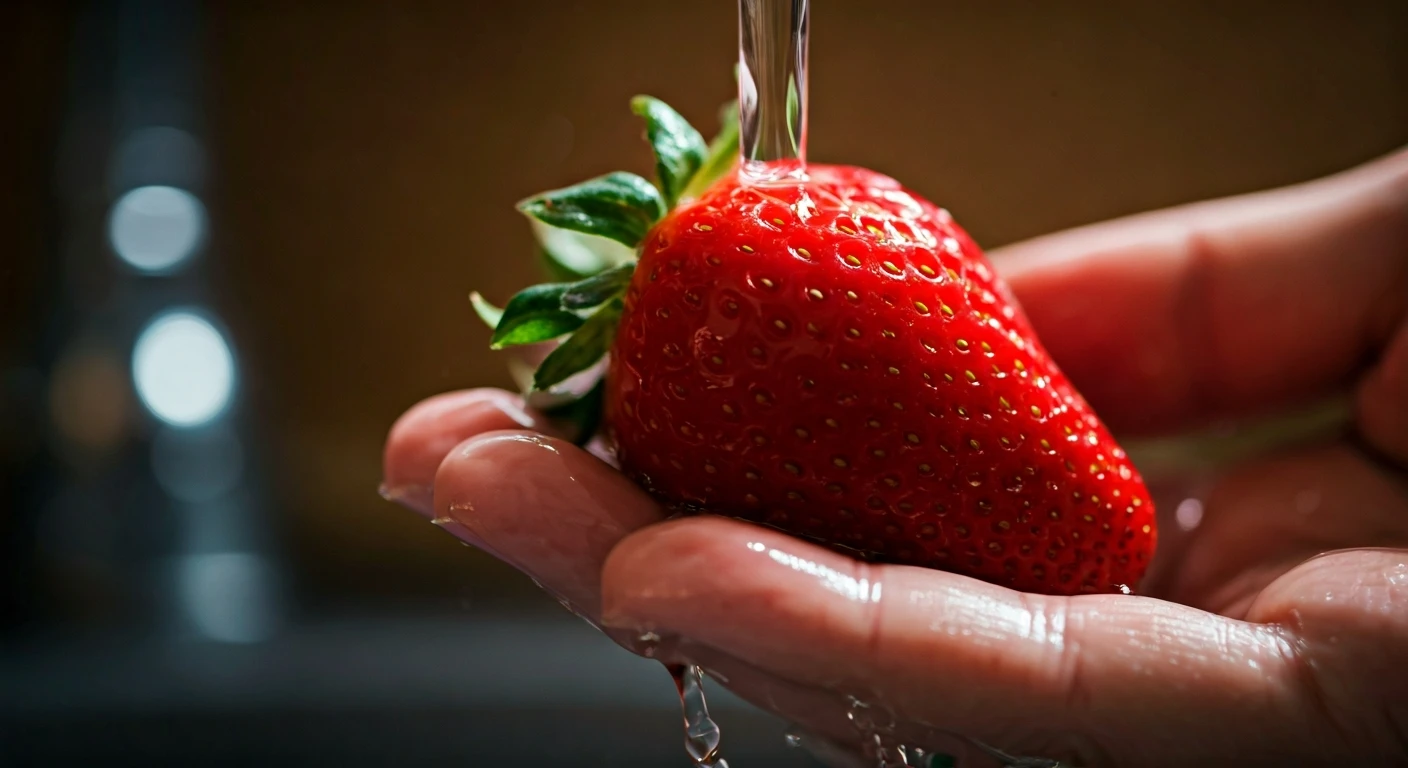
From a food safety perspective, pre-cut fruit is inherently riskier than whole fruit. The protective peel or rind is nature’s perfect packaging, keeping contaminants out. Once that barrier is broken, the fruit’s moist, sugary flesh becomes an ideal breeding ground for bacteria like Salmonella, E. coli, and Listeria. The extensive handling in a processing facility—from peeling and chopping to mixing and packaging—introduces numerous opportunities for cross-contamination. The Food and Drug Administration (FDA) has issued multiple recalls over the years for pre-cut melon and other fruit mixes linked to widespread foodborne illness outbreaks. While processors must adhere to safety standards, the risk is simply higher. A whole apple, washed in your own sink, is a much safer bet.
The Simple Joy of Whole Fruit
The alternative to the plastic box isn't a burden; it’s an opportunity. It’s the simple, sensory pleasure of picking up a whole cantaloupe and smelling its sweet, floral aroma. It’s the satisfying heft of a pineapple in your hand and the minor kitchen victory of carving it yourself. Learning how to slice a mango or segment an orange is a basic skill that pays dividends in flavor and satisfaction. This isn't about shaming convenience. It’s about rediscovering a small, rewarding ritual. Preparing your own fruit connects you to your food in a way that peeling back a plastic film never can. The ten minutes you spend prepping a fruit salad for the week will reward you with superior taste, better nutrition, and a little extra cash in your pocket.