

The Classics, Deconstructed
For generations, Indian vegetarian cuisine has been a cornerstone of the subcontinent’s culture—rich, flavorful, and deeply traditional. But a new wave of chefs in Delhi is looking at age-old recipes not as sacred texts, but as starting points for reinvention.
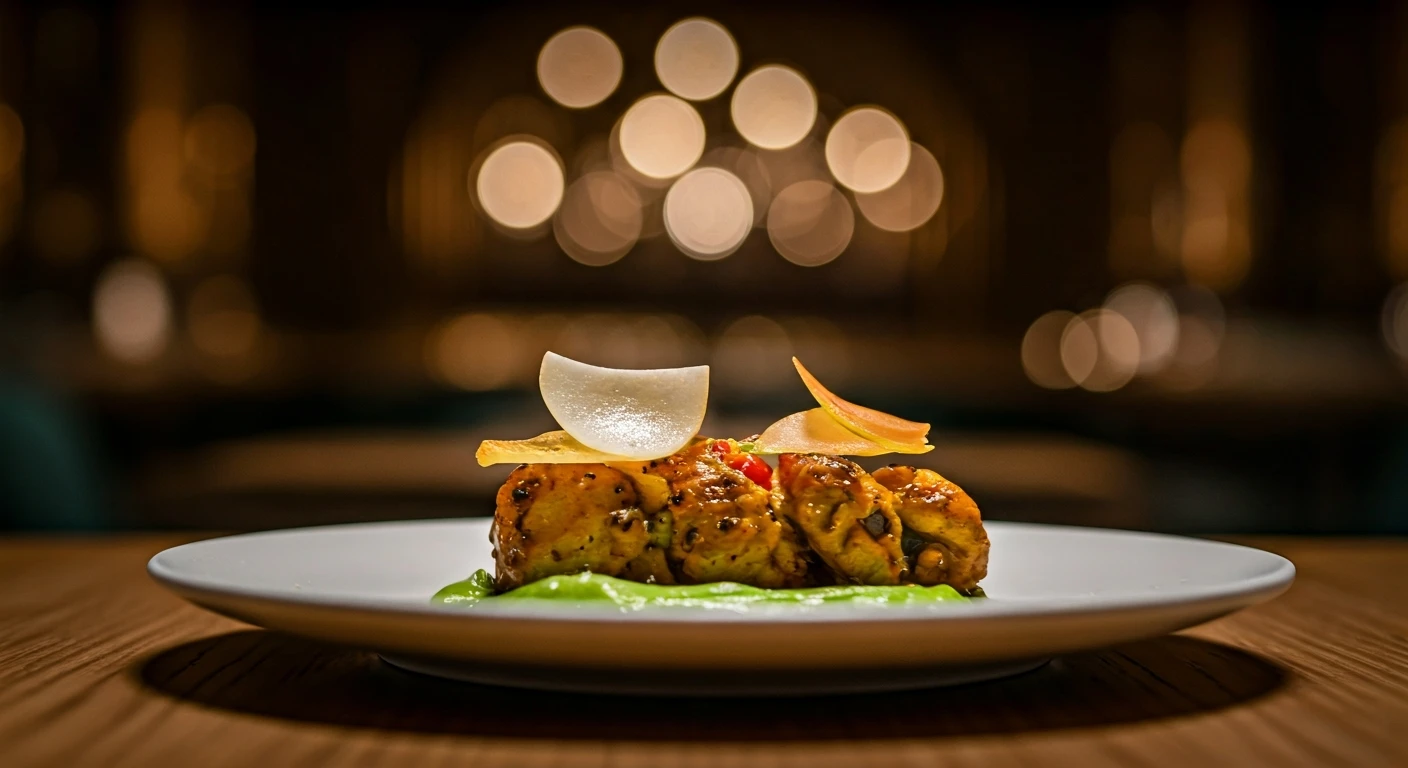
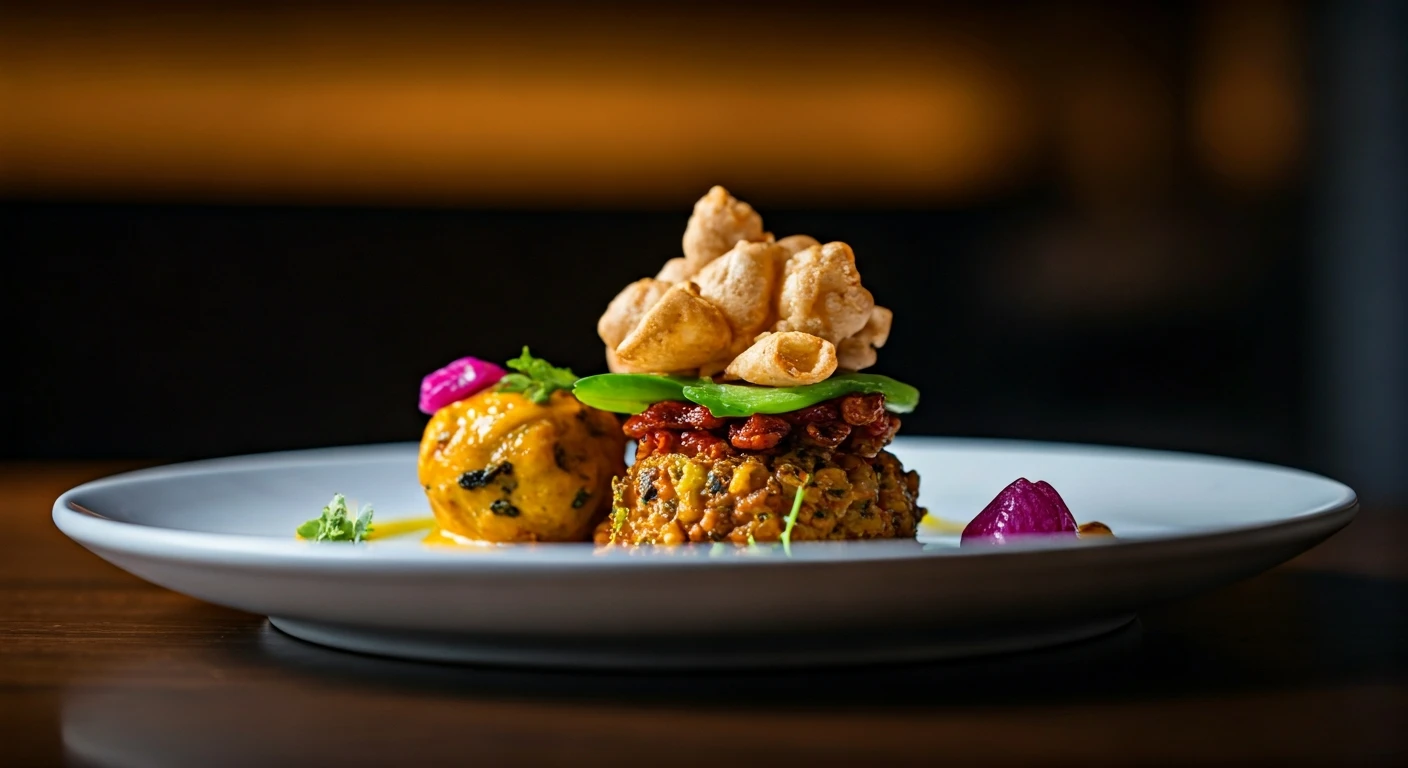
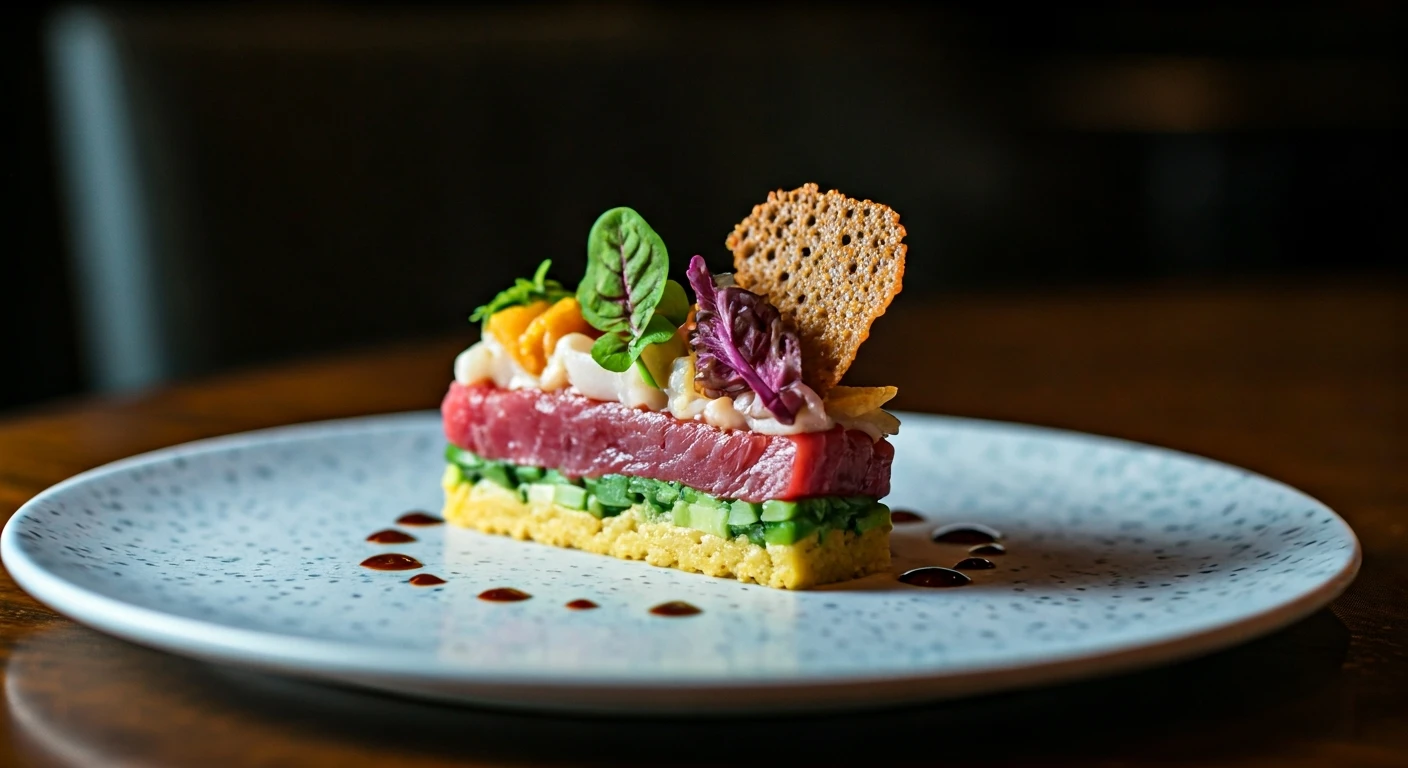
Imagine a classic street food like *dahi bhalla* (lentil fritters in yogurt) being deconstructed, with the yogurt arriving as a delicate foam and the lentils encased in a crisp, light sphere. This isn't just about changing the look; it's about altering textures and concentrating flavors. Chefs are using global fine-dining techniques—spherification, sous-vide, foams, and gels—to break down and rebuild beloved dishes. The result is a plate that feels both familiar and shockingly new. A simple *palak paneer* (spinach with cottage cheese) might be reimagined as a spinach velouté with pan-seared, herb-crusted paneer, elevating a home-style staple into a dish worthy of a Michelin star.
A Passport for Produce
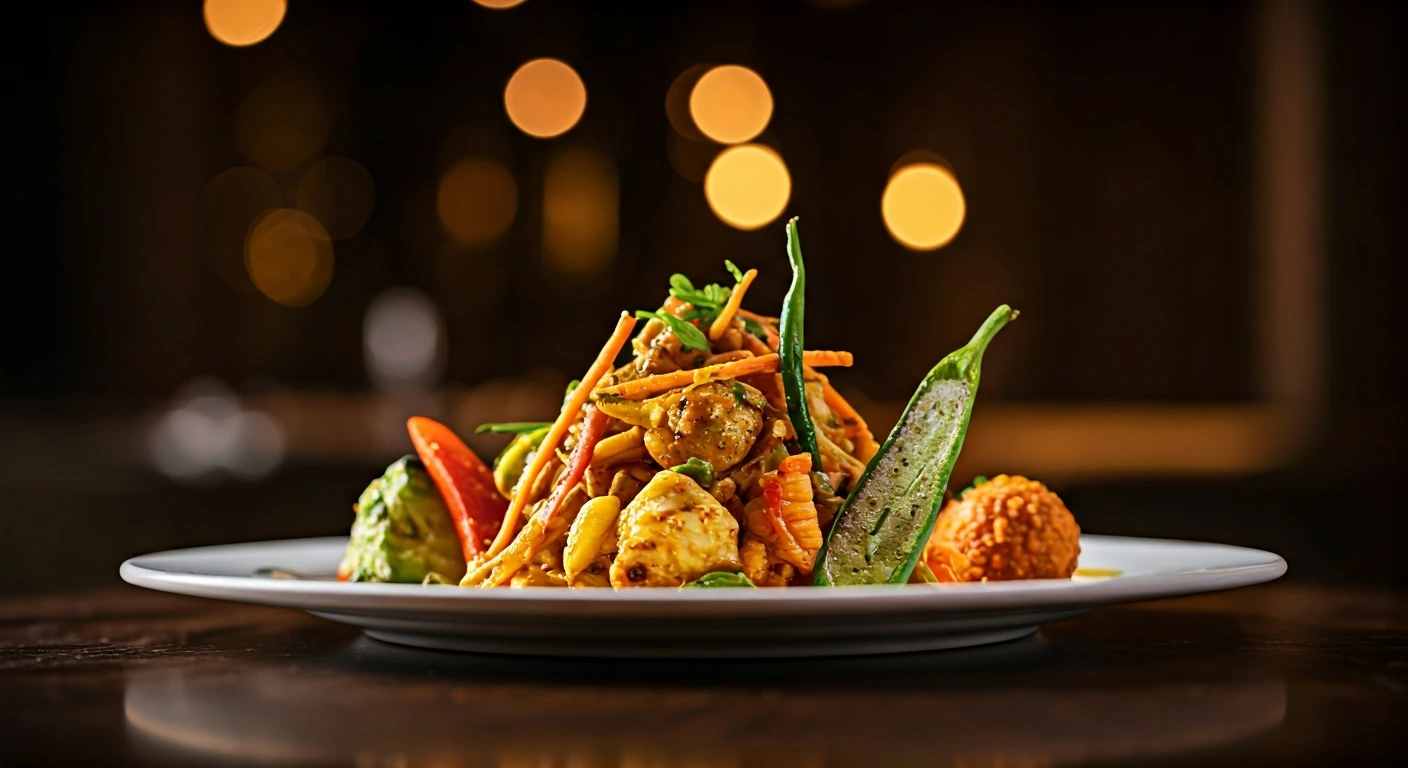
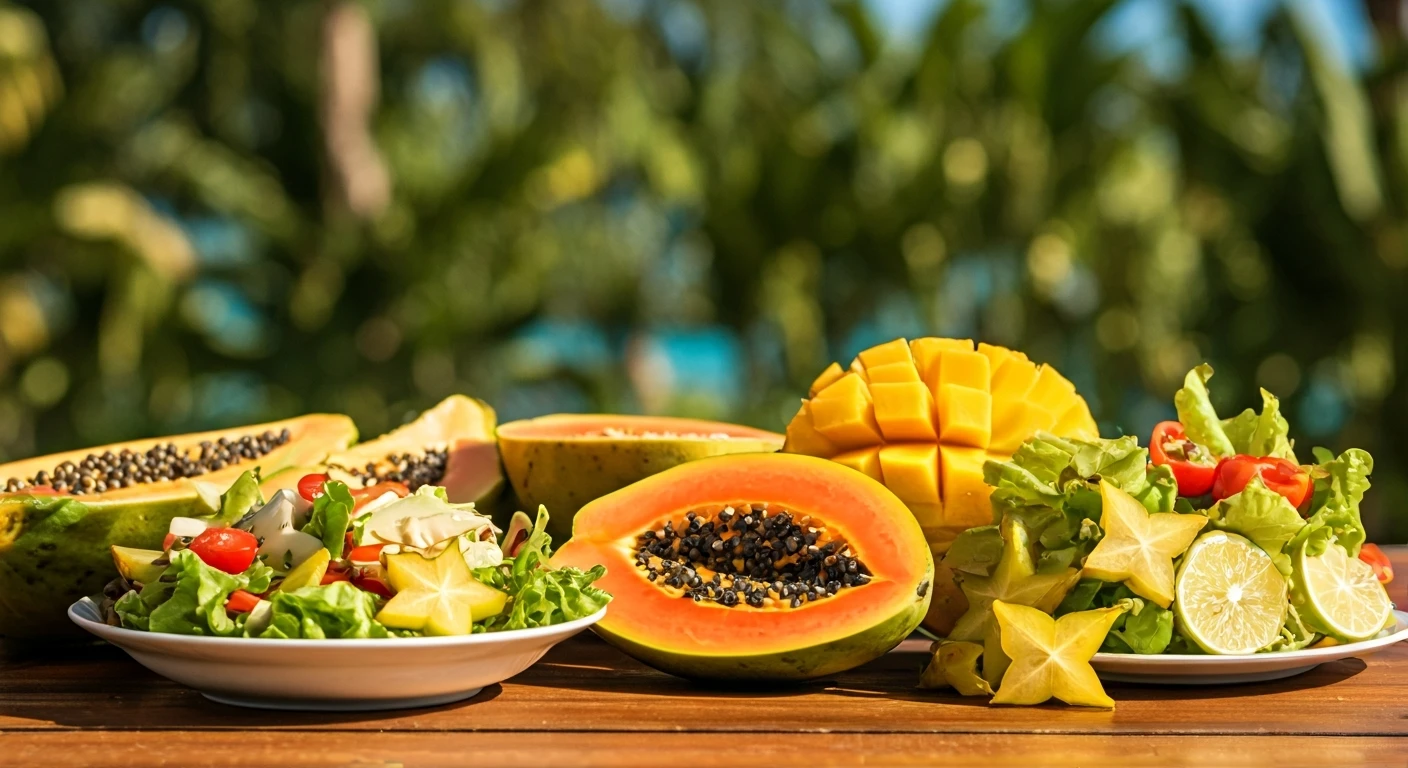
The “global” in “global veg drama” is no exaggeration. Delhi’s top tables are stamping culinary passports for everything from avocados to asparagus. This isn't the awkward fusion of the 90s; it's a thoughtful integration of international ingredients and formats into an Indian flavor lexicon. You might find jackfruit carnitas tacos, seasoned with a complex blend of South Indian spices and served with a tamarind-and-mint chutney instead of salsa. Or perhaps a dish of morel mushrooms, a prized Himalayan ingredient, stuffed with truffle-infused paneer and served on a bed of polenta. Restaurants are borrowing formats wholesale—sliders, carpaccio, tartes—and giving them a distinctly Indian identity. Think mushroom galouti sliders, where the traditional minced-meat kebab is replaced with a melt-in-your-mouth mushroom patty, spiced to perfection and served in a tiny brioche bun. It’s a delicious dialogue between India and the rest of the world, happening right on the plate.
Dinner as Performance Art
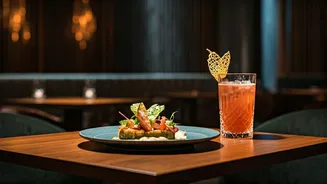
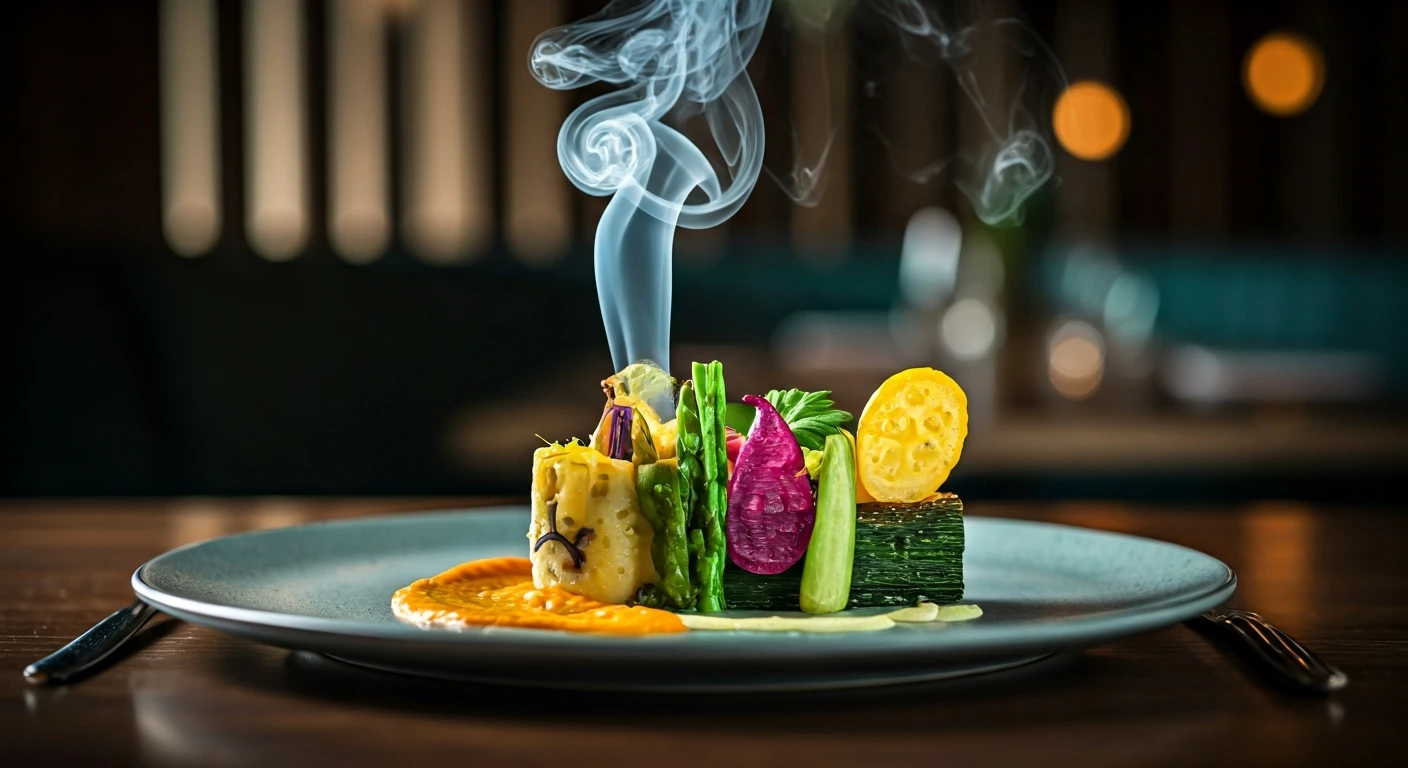
The “drama” is literal. Dining out in these establishments is a multisensory experience, a performance where the chefs are directors and the waiters are actors. Dishes arrive at the table under cloches filled with aromatic smoke, which billows out when lifted, perfuming the air with hickory or applewood. Liquid nitrogen is used tableside to create instant sorbets or to give a dessert a dramatic, frosty halo. At places like the celebrated Indian Accent, even simple accompaniments are an event; a selection of breads might arrive in a miniature, steam-spewing pressure cooker. This theatricality isn't just for show. It’s designed to engage the diner, to create a memorable moment that goes beyond taste. It transforms a meal into a story, turning the act of eating into an interactive event and ensuring every course is an Instagram-worthy spectacle.
Why Here, Why Now?
This culinary explosion isn’t happening in a vacuum. It’s fueled by a perfect storm of social and economic shifts. India’s booming economy has created a new generation of affluent, well-traveled diners who have experienced global food trends firsthand in London, New York, and Dubai. They’ve returned home with sophisticated palates and an appetite for novelty. Simultaneously, a deep-rooted vegetarian tradition means there's a massive, built-in audience for plant-based innovation. For chefs, elevating vegetarian food isn't a niche pursuit; it’s a mainstream commercial imperative. They are catering to a clientele that is proud of its heritage but eager to see it evolve. This movement is a declaration of confidence—a sign that Indian cuisine, particularly its vegetarian side, is ready to move beyond the buffet line and claim its place on the world’s fine-dining stage.