



The Land Where Mountains are Sacred
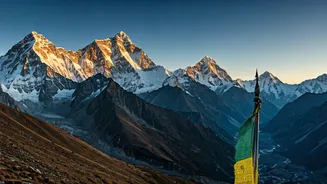
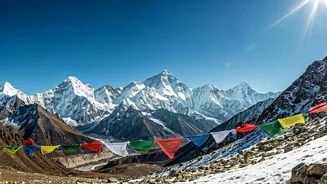
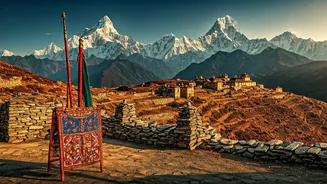
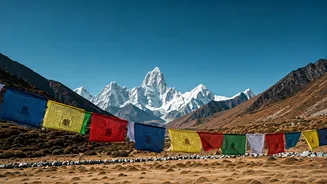
Tucked between Nepal, Bhutan, and Tibet, Sikkim is a sliver of land dominated by the world’s third-highest peak: Kangchenjunga. But to the people here, this is no mere mountain. It is a guardian deity, a sacred presence that shapes every aspect of life.
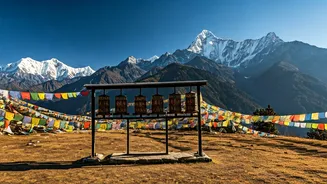
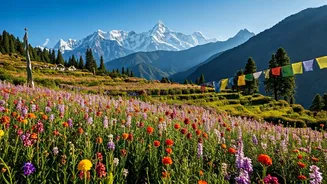
This reverence for the natural world creates a unique spiritual atmosphere. Prayer flags in primary colors—blue for sky, white for air, red for fire, green for water, and yellow for earth—crisscross valleys, sending blessings into the wind. The landscape isn’t just a setting for life; it’s an active participant. Every monastery perched on a high ridge and every stupa overlooking a glacial lake is a testament to a deep, abiding relationship between humanity and these colossal peaks.
A Rich Cultural Mosaic
Sikkim’s soul is woven from three main cultural threads: the indigenous Lepcha, who call themselves the “mutanchi rong kup,” or children of the mother creator; the Bhutia, who migrated from Tibet in the 15th century, bringing Vajrayana Buddhism with them; and the Nepali, who arrived in the 19th century, adding their own Hindu traditions and vibrant festivals. This blend creates a fascinating, harmonious society. You can hear it in the languages spoken on the streets of the capital, Gangtok, and see it in the shared reverence for both Buddhist monasteries and Hindu temples. It’s a place where ancient animist beliefs coexist peacefully with profound philosophical traditions, creating a culture that is both deeply spiritual and warmly inclusive.
Where Festivals Touch the Heavens
Nowhere is Sikkim's unique spirit more visible than during its festivals. These are not quaint historical reenactments; they are explosive, soul-stirring events that draw communities together. During Saga Dawa, which commemorates the birth, enlightenment, and death of Buddha, processions of monks carry holy texts through the streets, their maroon robes a stark contrast to the lush green hillsides. Even more dramatic is Pang Lhabsol, a festival unique to Sikkim that honors Kangchenjunga as the guardian deity. Here, you witness the famous ‘Chaam’—a ritual masked dance. Dancers embodying deities and protectors leap and whirl in elaborate costumes, their movements telling ancient stories of good triumphing over evil. Set against the backdrop of the very mountains being worshipped, the effect is hypnotic and deeply moving—a direct, electrifying connection between faith, culture, and the sublime power of the Himalayas.
The Allure of the Authentic
In a world saturated with digital noise and fleeting trends, the appeal of a place like Sikkim is growing. It offers what so many modern travelers crave: authenticity. This isn’t a culture packaged for tourism but a living tradition that visitors are invited to witness respectfully. The 'now' in Sikkim's story is this growing recognition from the outside world. Travelers are seeking more than just a beautiful photo; they are seeking connection, meaning, and a sense of wonder. Whether it’s sharing a cup of butter tea with a local family, listening to the resonant chant of monks in a centuries-old monastery, or simply standing in silence before the staggering beauty of the mountains, Sikkim offers a profound sense of perspective. It’s a reminder that some of the most beautiful human expressions are born from a deep respect for the world around us.