

What Exactly Was Uber Drift?
Let’s get one thing straight: this wasn't a permanent new feature where you could toggle 'Drift Mode' on your app. For one day only—December 1, 2023—Uber Japan partnered with Toyota Gazoo Racing to create a wildly unique publicity stunt. In a dedicated
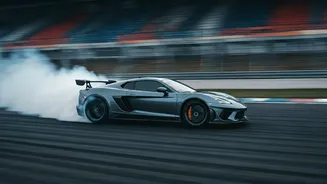
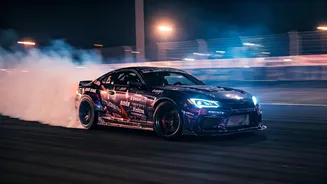
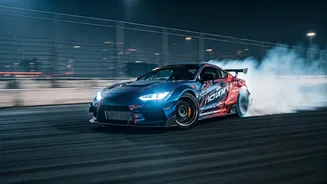
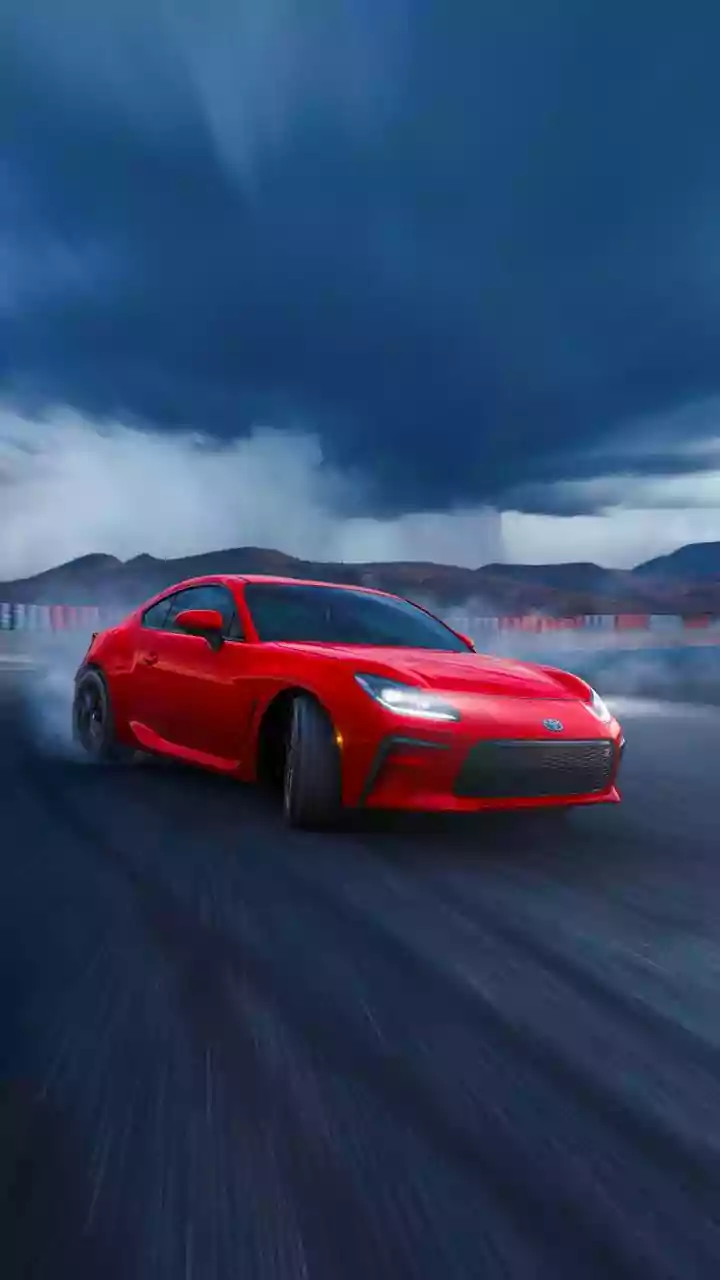
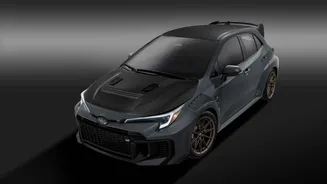
drift park on the outskirts of Tokyo, a handful of lucky users could book a ride in a high-performance Toyota GR Supra or GR Corolla. But you weren't just getting a spirited driver. The people behind the wheel were world-class drifting professionals, including the legendary Daigo Saito. For a fee of ¥5,000 (around $34 at the time), or for free if you won a lottery, you could strap into the passenger seat for a tire-squealing, smoke-billowing, adrenaline-pumping ride with one of the best in the business. It was less of a taxi ride and more of a micro-dose of a professional motorsport experience, all summoned with a few taps on your phone.
The Allure of the Tokyo Drift
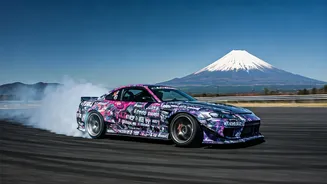
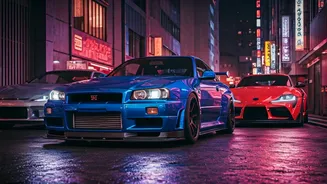
There’s a reason this idea immediately captures the imagination, and it’s all about location. Tokyo is the spiritual home of modern drifting culture. What started as an illegal street racing phenomenon on Japan’s winding mountain roads (the *touge*) evolved into a global motorsport. Pop culture cemented this connection for American audiences, with movies like *The Fast and the Furious: Tokyo Drift* and the iconic anime series *Initial D* romanticizing the sight of a perfectly controlled slide. The idea of experiencing this firsthand taps directly into a powerful automotive fantasy. For tourists and locals alike, it represents a chance to touch a piece of that cool, rebellious subculture. Uber and Toyota weren't just offering a ride; they were selling a bite-sized, safely packaged piece of a cultural mythos. It’s the automotive equivalent of seeing a concert at the Cavern Club in Liverpool—the location is part of the magic.
The 'Tourist Trap' Verdict
So, does it qualify as a tourist trap? The term usually implies something that’s overpriced, inauthentic, and offers a poor value proposition. By that measure, Uber Drift fails the test. At roughly $34, the price was surprisingly low for a professionally orchestrated thrill ride. A few minutes in a race car with a world champion driver for the cost of a nice lunch is an incredible deal. It’s far from the thousand-dollar helicopter tours or mediocre themed dinners that usually earn the 'trap' label. However, the manufactured nature of the event does brush up against the idea. This wasn't a gritty, organic street scene; it was a highly controlled, corporate-sponsored event on a closed course. It was an *imitation* of the culture, sanitized for mass consumption. So while it wasn't a rip-off, it was absolutely an artificial experience designed for maximum appeal and minimum risk—the very definition of a modern, well-executed tourist attraction.
The Real Goal: A Marketing Masterclass
Ultimately, Uber Drift wasn’t about creating a new, sustainable business line. Uber isn't pivoting to become a theme park. This was a masterclass in experiential marketing. In a crowded market, brands are desperate for attention, and nothing gets more attention than a truly wild, shareable experience. Every passenger who buckled in was a potential content creator, armed with a smartphone to capture the smoke and sound for their Instagram and TikTok feeds. The earned media and social media buzz generated by an event like this are exponentially more valuable than a standard ad campaign. For Toyota, it was a chance to put its GR performance brand directly in front of a young, tech-savvy audience. For Uber, it was a way to generate excitement and reinforce its brand as innovative and fun, especially in a competitive market like Japan. The goal wasn't to make money from the rides; the rides were the marketing budget.