



Beyond the Postcard Image
For years, the pitch for the Andaman and Nicobar Islands was simple: escape. It was a place to disconnect on islands like Swaraj Dweep (formerly Havelock Island) and Shaheed Dweep (Neil Island), where the daily rhythm was set by sunrise, sunset, and the lapping
tide. That idyllic vision still exists, but it’s no longer the whole picture. Today’s travelers are seeking more than just a beautiful backdrop for their photos; they want a connection. The new Andaman experience is defined by two powerful currents: a deeper dive into the narrative of the islands (the “story-driven” part) and a profound engagement with the ocean itself (the “blue” part). This isn't just about seeing the sights; it's about understanding the soul of this unique corner of the world, located over 800 miles off the Indian mainland in the Bay of Bengal.
What 'Story-Driven' Really Means
The “story” of the Andamans is a complex tapestry woven from colonial history, indigenous culture, and unique ecology. A more thoughtful tourism model is helping visitors engage with these layers. The infamous Cellular Jail in the capital, Port Blair, is no longer just a grim monument but the centerpiece of narratives about India's freedom struggle. Tour guides are becoming storytellers, explaining the dark history of the British penal colony in a way that resonates beyond a simple history lesson. Beyond the colonial past, there's the story of the islands' ecosystems. Guided jungle treks now focus on the delicate balance of the rainforest, identifying endemic birds and explaining the medicinal properties of native plants. Critically, this new focus also involves a profound respect for the islands' indigenous tribes, including the protected Jarawa and the uncontacted Sentinelese. Responsible tourism here means understanding and respecting the boundaries that keep these ancient cultures safe, making their story one of preservation and distance, not spectacle.
Diving Deep into the 'Blue'
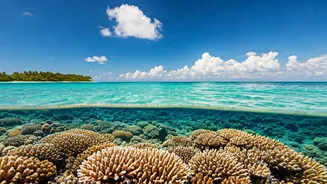
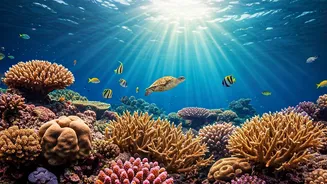
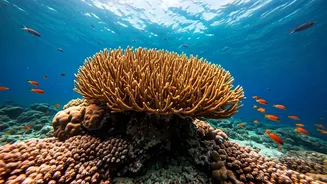
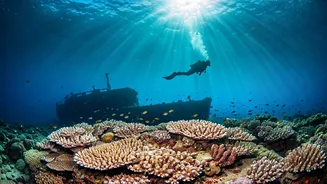
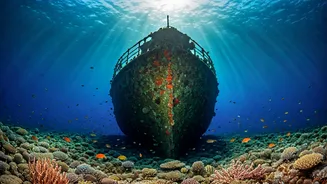
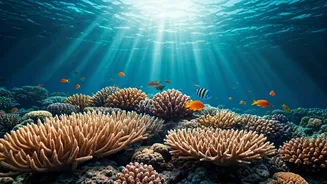
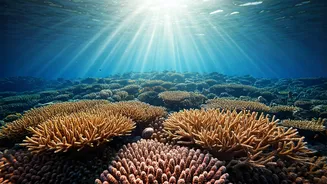
The “blue” element of Andaman travel is about more than just the color of the water. It represents a shift from passively enjoying the ocean to actively participating in its world and, increasingly, its conservation. The archipelago is home to some of the most vibrant coral reefs in South Asia, making it a world-class destination for scuba diving and snorkeling. But the experience is becoming more conscious. Responsible dive operators are emphasizing a “look, don’t touch” ethos and educating divers on coral reef ecology and the threats of climate change. Experiences are expanding beyond the standard daytime dive. Imagine night kayaking through waters sparkling with bioluminescent plankton, feeling like you’re paddling through a galaxy. Or participating in a local beach clean-up organized by a dive school. This new “blue” tourism understands that the ocean is the main character in the Andaman story, a fragile and powerful entity that is both a playground and a sanctuary in need of protection.
A New Wave of Conscious Hospitality
This evolution in travel is supported by a growing number of businesses committed to sustainability and authenticity. The generic, sprawling resort is giving way to smaller, more thoughtful accommodations. We’re seeing the rise of eco-lodges built with locally sourced materials, boutique hotels that champion regional cuisine, and homestays that offer a genuine connection with the local community. These establishments aren't just a place to sleep; they are an integral part of the story-driven experience. They hire local guides, partner with conservation NGOs, and design their properties to minimize environmental impact. Dining, too, has become a narrative tool. Instead of generic continental fare, menus now proudly feature fresh-caught seafood prepared with local spices and recipes passed down through generations, telling the story of the islands' multicultural heritage on a plate. This shift in hospitality makes it easier for travelers to make choices that are not only enjoyable but also beneficial to the place they’re visiting.