



1. Hyper-Regional Goes Mainstream
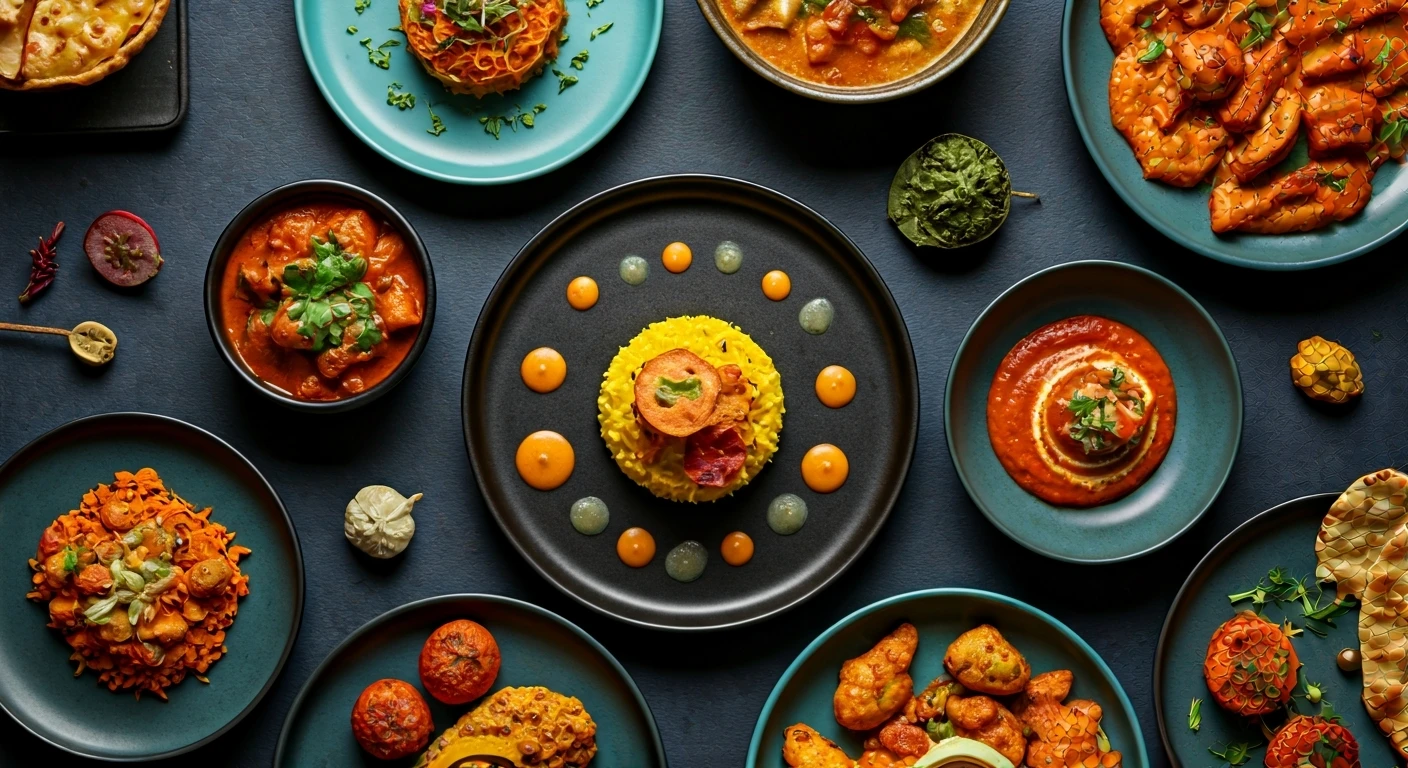
For decades, what most Americans knew as 'Indian food' was primarily North Indian or Punjabi cuisine: think chicken tikka masala, naan, and saag paneer. That's changing fast, and Delhi is leading the charge. The latest openings are digging deeper, showcasing
the incredible diversity of India's regional kitchens. We’re seeing a surge in restaurants dedicated to the complex, mustard-oil-laced flavors of Bengali food, the coconut-rich curries of Kerala, and even the subtle, fermented tastes of the country's Northeast. These aren't fusion concepts; they're proud, authentic explorations of specific culinary traditions. When you see a U.S. restaurant confidently serving a pork curry from Nagaland or a Bengali fish stew (macher jhol) without calling it 'fish curry,' you're seeing the ripple effect of this Delhi-born trend.
2. Nostalgia on a Plate
Every culture romanticizes the past, and in Delhi's food scene, that translates to 'comfort food' getting a sophisticated, modern update. New eateries are tapping into a powerful sense of nostalgia, recreating the experience of old-school urban eateries, highway dhabas (roadside inns), and Irani cafés. Think legendary Mumbai-style dhaba brands opening slick new outposts in Delhi, serving their famous black dal and butter chicken in a setting that’s more gastropub than truck stop. It’s about more than just the food; it’s about recreating a vibe—the music, the décor, the unpretentious but perfectly executed dishes that taste like a memory. This trend mirrors the U.S. obsession with elevated diners and retro comfort classics, proving that the craving for a taste of the 'good old days' is universal.
3. The Indian Craft Cocktail Arrives
The gin and tonic was practically invented in India, but the country’s cocktail scene is now reclaiming its heritage with a vengeance. Forget generic well drinks. Delhi's new bars are proudly 'desi' (a term for South Asian authenticity and pride). Bartenders are acting like culinary artists, creating infusions with Himalayan juniper, telling stories with cocktails inspired by ancient trade routes, and mixing with a burgeoning array of high-quality Indian-made gins, rums, and whiskies. Syrups are made from tamarind and kokum (a sour mangosteen-like fruit), and rims are dusted with chaat masala. As Indian spirits begin to appear on U.S. shelves, expect to see mixologists in New York and San Francisco taking cues from this movement, adding a distinctly Indian spice profile to the global craft cocktail lexicon.
4. Street Food Gets an Upgrade
Indian street food is legendary for its explosive flavor, but it’s often a chaotic, on-the-go experience. The new trend in Delhi is to take those beloved street-side snacks and give them a fine-dining makeover. We’re not talking about simply putting pani puri (a hollow crisp filled with spiced water) on a fancier plate. Chefs are deconstructing the classics, playing with textures and temperatures, and presenting them with theatrical flair. Imagine a yogurt foam instead of a dollop of dahi, or a golgappa where the spiced water is served in a test tube. This approach makes famously messy dishes accessible in a more formal setting, removing the intimidation factor while dialing up the fun. It’s a creative bridge that introduces diners to the core flavors of Indian street food in a controlled, and often spectacular, way.
5. Global Cuisine, Indian Accent
Delhi's palate has always been cosmopolitan, but the latest wave of international restaurants isn't just importing concepts—it's adapting them. Instead of a straightforward Mexican cantina, you now get a vibrant spot where the margaritas might be infused with passion fruit and chili, and the tacos come with fillings like paneer tikka or spicy pulled lamb. It’s less about fusion and more about 'localization'—making a global cuisine feel at home by speaking the local flavor language. This isn't a new idea, but the confidence with which Delhi chefs are doing it is. They are using their deep understanding of Indian spices and ingredients to enhance, not just replace, elements of Mexican, Italian, or Pan-Asian food. It’s a sign of a culinary scene that’s secure in its own identity and ready to play.