





The Big Change: Europe’s New Entry System
For decades, U.S. citizens have enjoyed visa-free travel to most of Europe for short stays. That’s about to change. The European Union is introducing the European Travel Information and Authorisation System (ETIAS). While it’s not a formal visa, it is a mandatory
pre-travel authorization. Once implemented (currently expected in mid-2025), U.S. passport holders will need to apply online for ETIAS approval before traveling to 30 European countries, including popular spots like France, Italy, Spain, and Greece. The application is expected to be quick and cost a small fee (around €7), with the authorization lasting for three years. The key takeaway? That spontaneous trip to Paris will soon require one extra, albeit simple, step. Forgetting to do it could mean being denied boarding at the airport.
The New Normal: Longer Processing Times
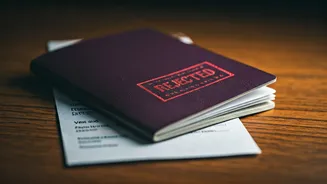
If your destination does require a traditional visa, the worst mistake you can make is underestimating the timeline. Embassies and consulates worldwide are still dealing with backlogs that began during the pandemic. What used to take a few weeks can now take several months. This applies to everything from student visas to tourist visas for countries that require them. For example, securing an appointment for a U.S. visa interview in some countries has wait times exceeding a year, and similar delays can affect Americans seeking visas for other nations. The rule of thumb has changed: as soon as you know your destination, check the visa requirements. If one is needed, start the application process immediately. Don't wait until you've booked non-refundable flights and hotels, as you may be putting your investment at risk.
Read the Fine Print on E-Visas
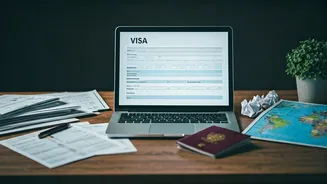
Many countries have streamlined their processes with electronic visas (e-visas) or Electronic Travel Authorizations (ETAs), which are great for convenience. Countries like Australia, Turkey, and Kenya use these systems. However, convenience can create carelessness. Travelers often fall victim to third-party websites that look official but charge exorbitant processing fees. In some cases, these are outright scams. Always apply for an e-visa directly through the country’s official government immigration portal. Furthermore, simple typos in your name, passport number, or date of birth on an e-visa application can render it invalid. Double- and triple-check every field before you submit. An electronic system won’t forgive a simple mistake, but an airline agent will have to enforce the rules.
Don't Forget About Fees and Validity
Visa policies aren’t static. Governments can and do change application fees, validity periods, and rules with little warning. A country that offered a 10-year multiple-entry visa might suddenly switch to a one-year single-entry visa for the same price. Brazil, for instance, recently reinstated a visa requirement for citizens of the U.S., Australia, and Canada after a period of waiver, with the implementation date shifting several times. This creates confusion for travelers who thought they knew the rules. Before any international trip, make it a non-negotiable part of your checklist to visit the official embassy or consulate website for your destination country. This is the only source of truth for current fees, required documents, and rules. Relying on a blog post from two years ago is a recipe for disaster.