





The Queen of Hills Awakens
Long before air conditioning, British rulers in India knew the secret to surviving the country's scorching summers: they fled to the mountains. Their crown jewel was Shimla, a town perched over 7,000 feet above sea level. Dubbed the "Queen of Hills,"
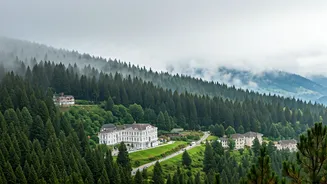
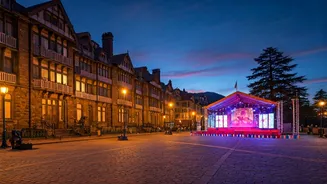
it served as the official summer capital of British India, a fairy-tale outpost of mock-Tudor architecture, gothic churches, and manicured gardens carved into the Himalayan foothills. That colonial history still lingers in the air, but today, Shimla’s identity is vibrantly its own. The Shimla Summer Festival, typically held in the first week of June, is the town’s annual declaration of this spirit, a welcoming embrace to mark the beginning of the tourist season and celebrate the unique culture of the state of Himachal Pradesh.
A Stage on the Rooftop of the World
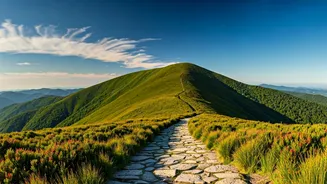
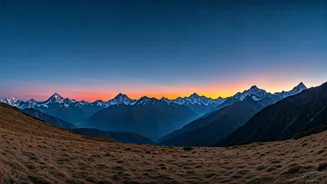
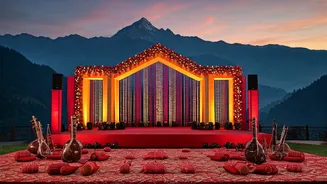
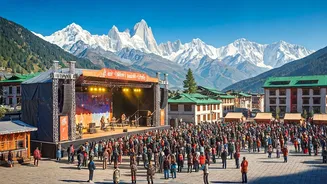
The heart of the festival beats on The Ridge, a sprawling open space in the center of town that offers breathtaking, panoramic views of snow-dusted Himalayan peaks. For four days, this iconic plaza becomes an open-air auditorium. Forget stuffy concert halls; here, the backdrop is a dramatic mountain range and the ceiling is an endless sky that shifts from brilliant blue to a tapestry of stars. The atmosphere is electric and communal. Families, young couples, and travelers from across India and the world stroll along the adjacent Mall Road—a pedestrian-only colonial-era promenade—before gathering at The Ridge as evening falls. The crisp mountain air buzzes with anticipation, a mix of local pride and visitor curiosity, creating a feeling of a town-wide block party on top of the world.
From Folk Rhythms to Bollywood Beats
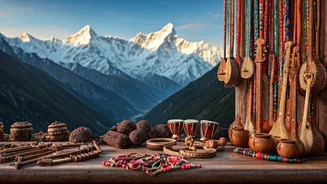
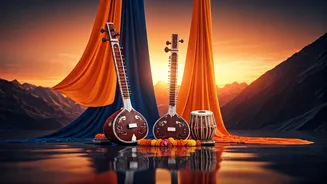
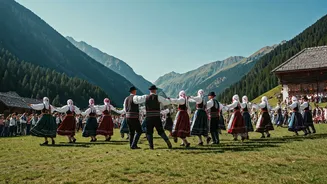
The magic of the festival lies in its eclectic soundtrack. The days are filled with performances that showcase the rich artistic heritage of Himachal Pradesh. You might witness a troupe of dancers performing the ‘Nati,’ a traditional folk dance with slow, elegant movements, their colorful woolen costumes a swirl of motion against the mountain backdrop. Schoolchildren perform plays, local poets recite verses, and artisans display their crafts. But as night descends, the festival pivots. The stage lights up for performances by some of India's biggest names in music. It's not uncommon for a major Bollywood playback singer—the voice behind the stars in India's massive film industry—to headline the event. This blend of ancient folk traditions and modern pop culture is seamless, offering a true snapshot of contemporary India where heritage and modernity dance hand-in-hand.
More Than Music and Dance
While the main stage is the focal point, the festival’s charm permeates every corner of the town. Food stalls pop up, offering everything from local Himachali delicacies like ‘siddu’ (a steamed bread) to the universally loved ‘momos’ (Tibetan dumplings). The fragrance of roasted corn-on-the-cob mingles with the sweet scent of a nearby flower show, another beloved festival tradition. Local artists set up easels for on-the-spot caricature drawings, and photographers capture the joy on people's faces. Even a simple walk becomes an experience, weaving through crowds of smiling people, past historic buildings like the Christ Church and the Gaiety Theatre. It’s a sensory overload in the best possible way, a celebration that engages more than just your ears.