

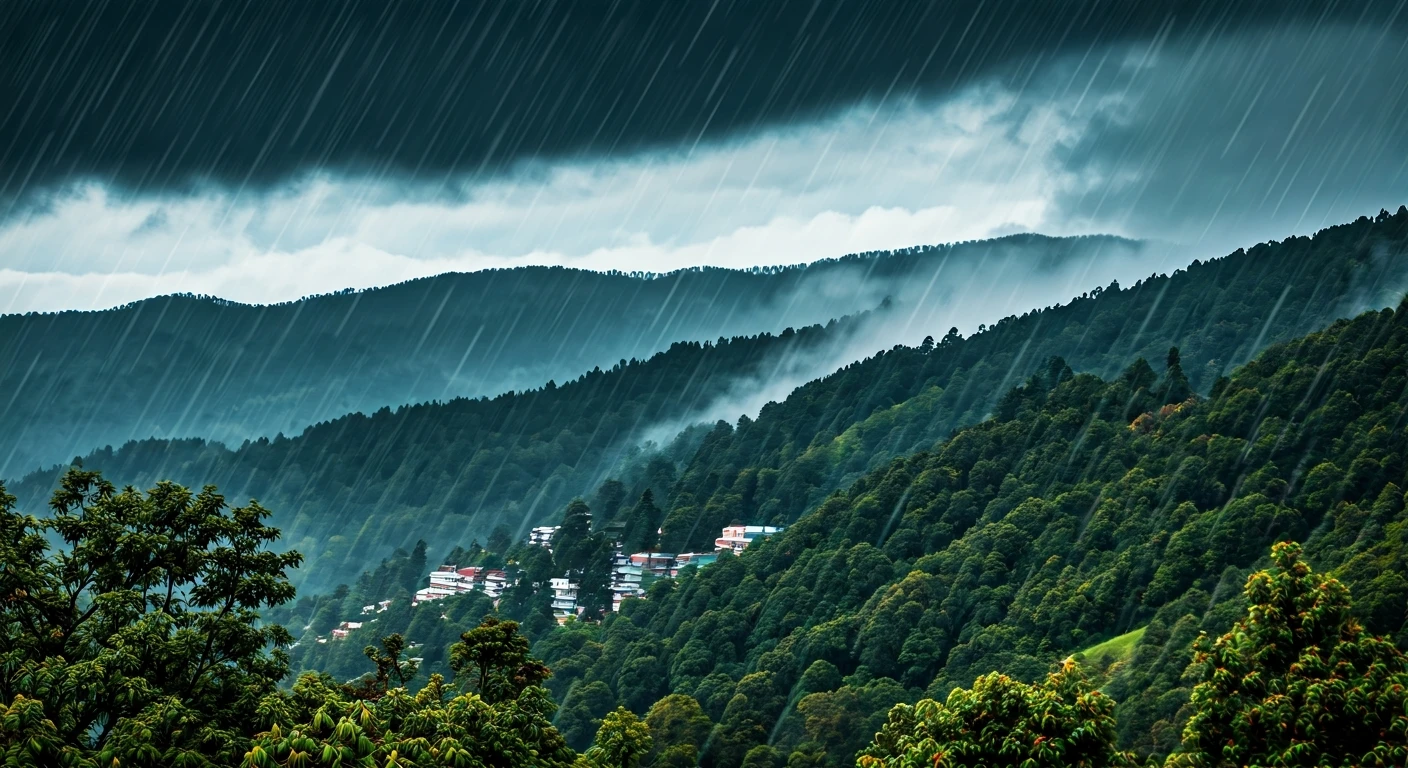

Welcome to the Abode of the Clouds
Meghalaya, which translates to “the abode of the clouds” in Sanskrit, is a world away from the typical tourist trail. Tucked between Bangladesh and the Himalayas, this region is defined by its dramatic landscapes, unique indigenous culture, and, most
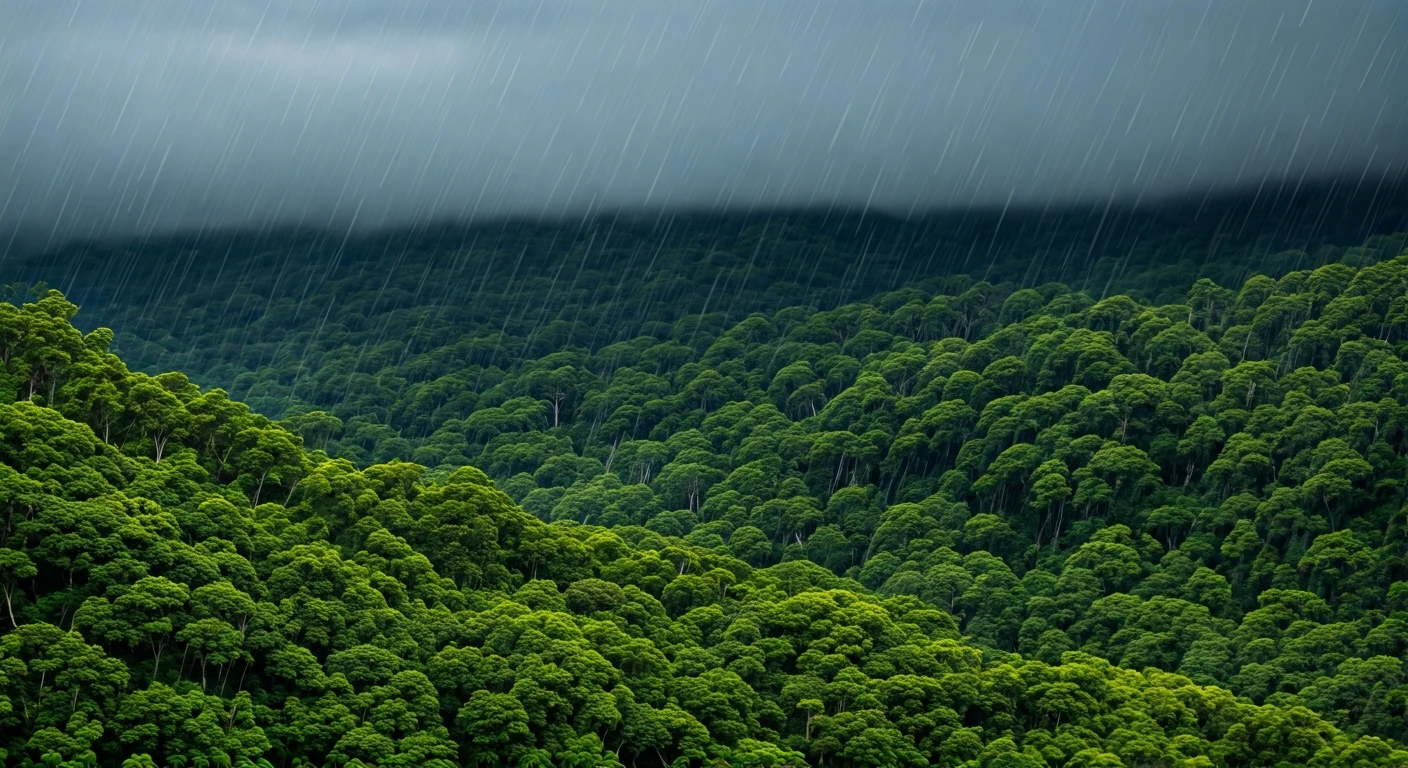
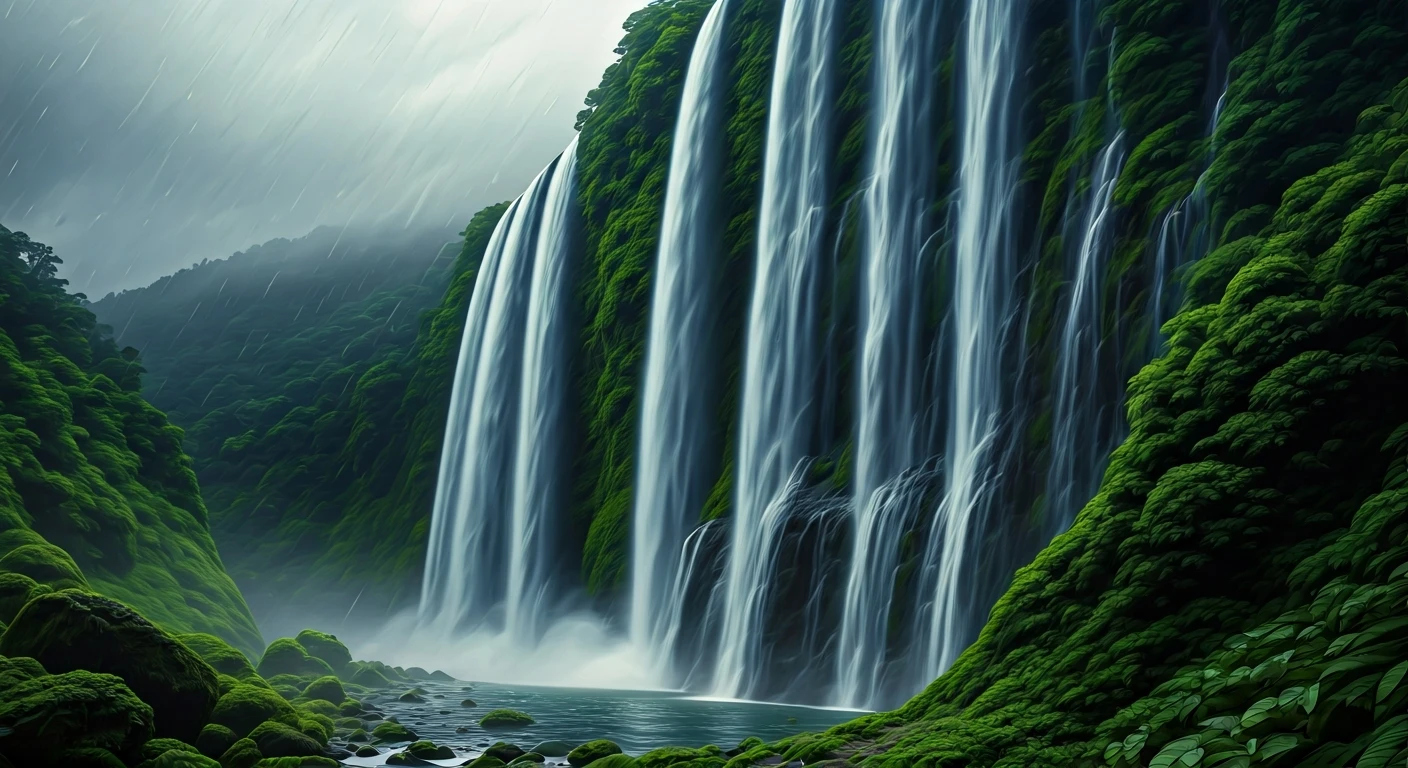
famously, its staggering amount of rainfall. While most travel guides might advise you to avoid monsoon season, in Meghalaya, that's precisely when you should go. From June to September, the annual rains transform the rolling hills into a spectacle of vibrant green, feeding a network of some of the most powerful and picturesque waterfalls on the planet. For American travelers seeking an experience that feels truly off the beaten path, this is it—a place where you don't just endure the weather, you celebrate it.
Cherrapunji: The Heart of the Downpour
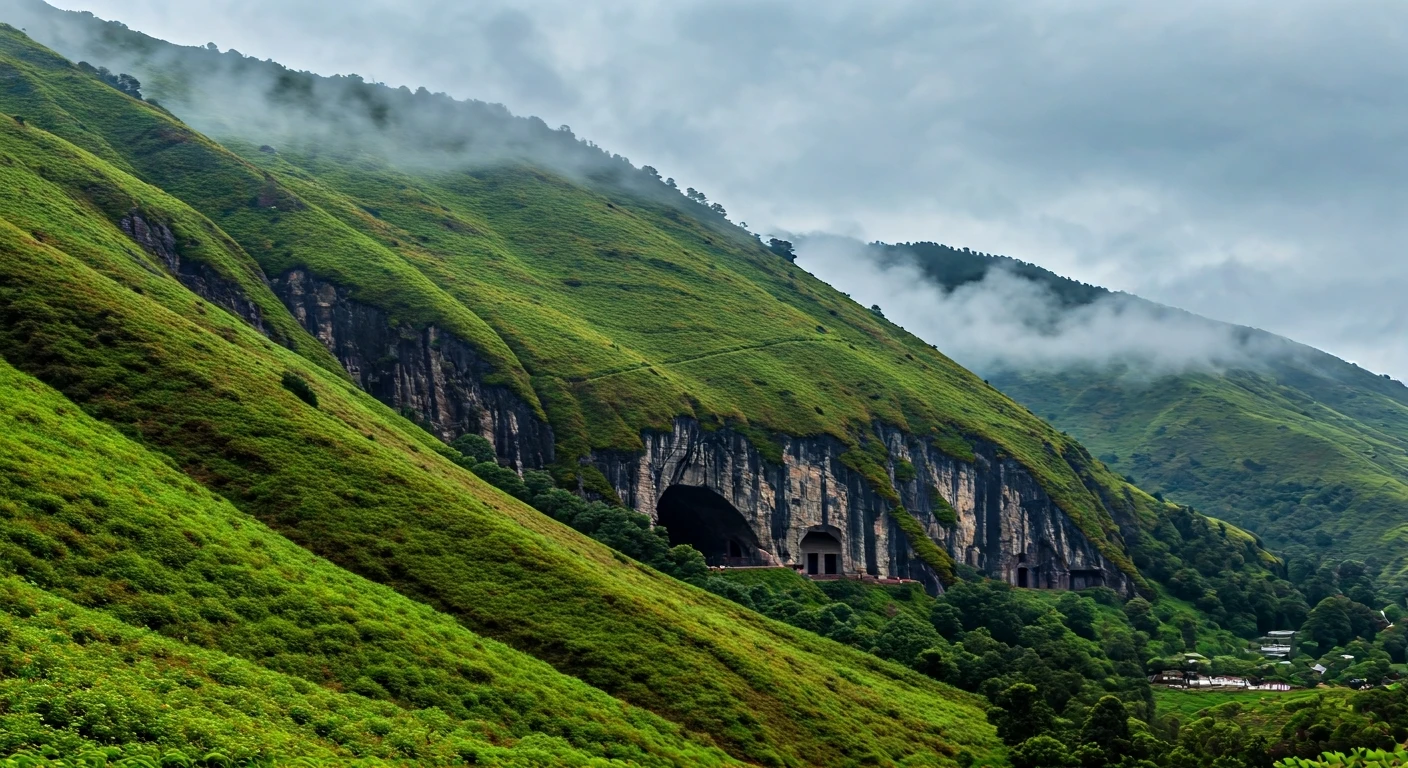
Your journey into this watery wonderland will likely lead you to Cherrapunji, locally known as Sohra. Holding records for being one of the wettest places on Earth, this small town is the epicenter of Meghalaya’s monsoon magic. Don't imagine a dreary, constant grey; instead, picture a dynamic landscape where misty clouds roll through the valleys, parting to reveal plunging gorges and cliffsides streaming with water. The air is clean, the temperature is cool, and the sound of falling rain is a constant, soothing soundtrack. It’s here that you begin to understand that the rain isn't a weather pattern; it's the lifeblood of the entire ecosystem, shaping the land and the culture in equal measure.
Chasing Legendary Waterfalls
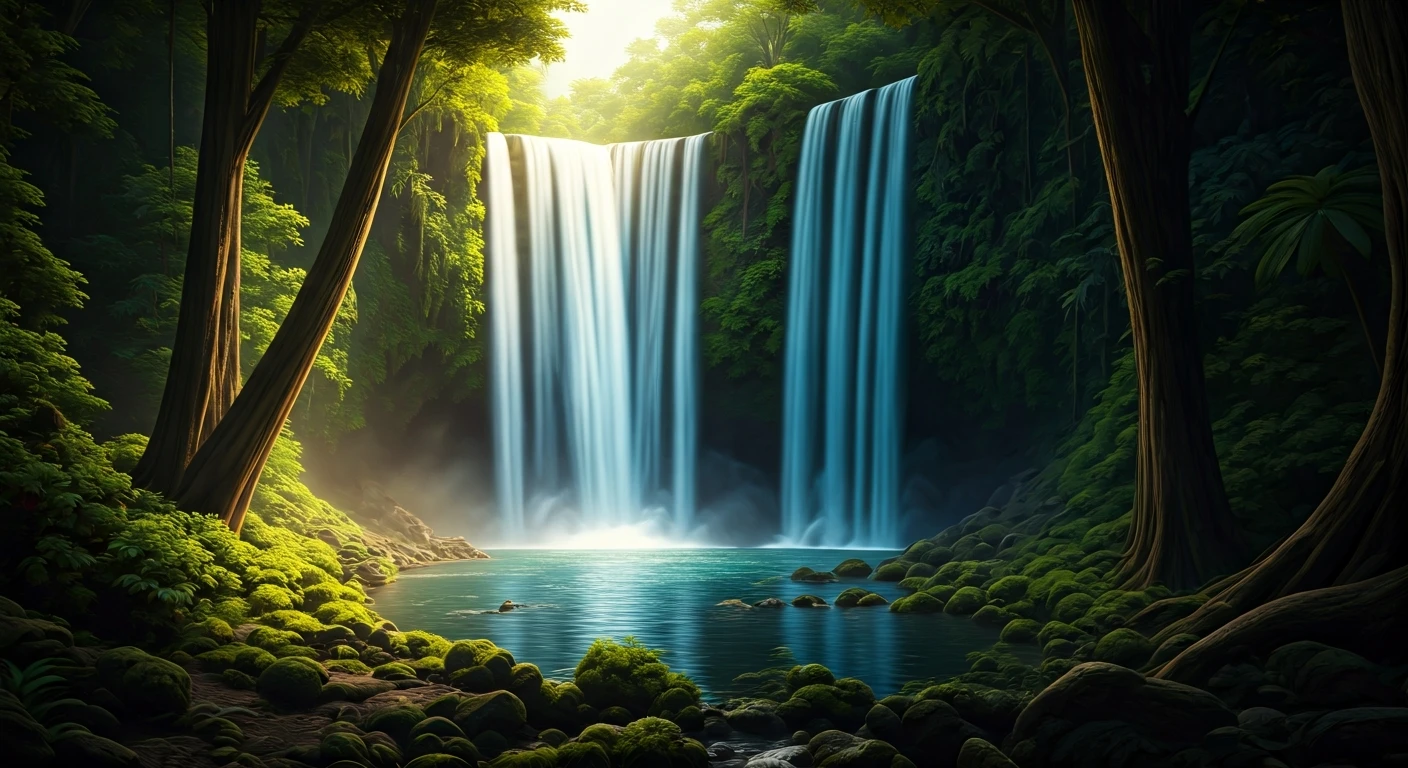
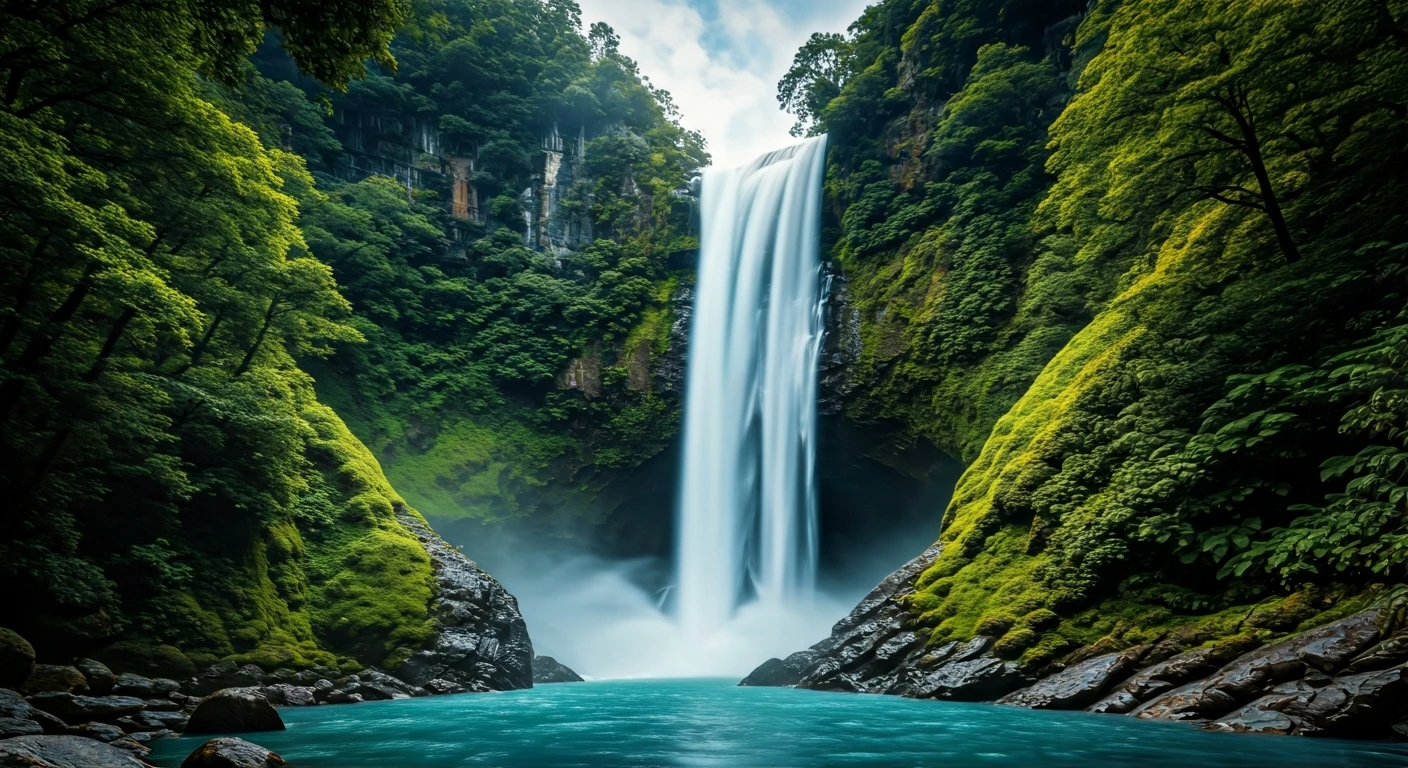
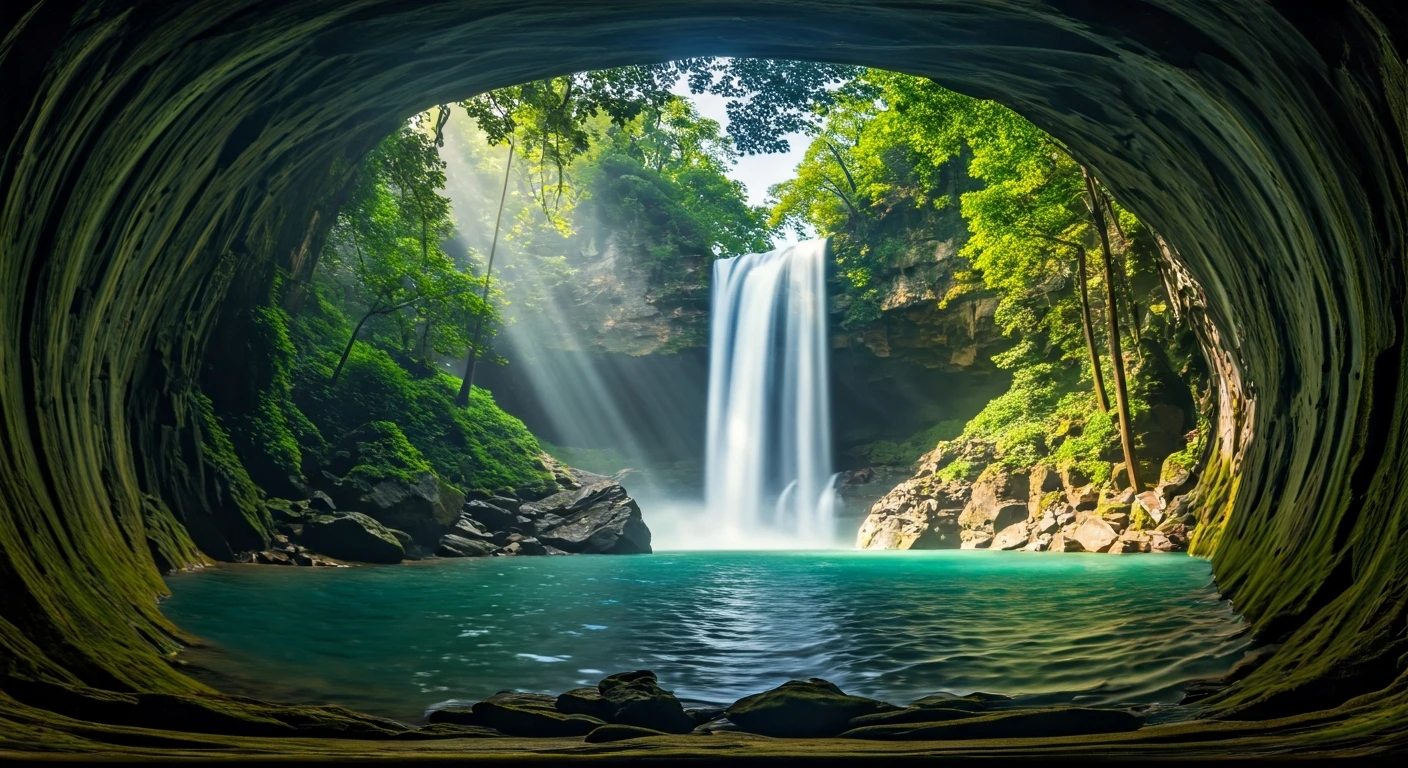
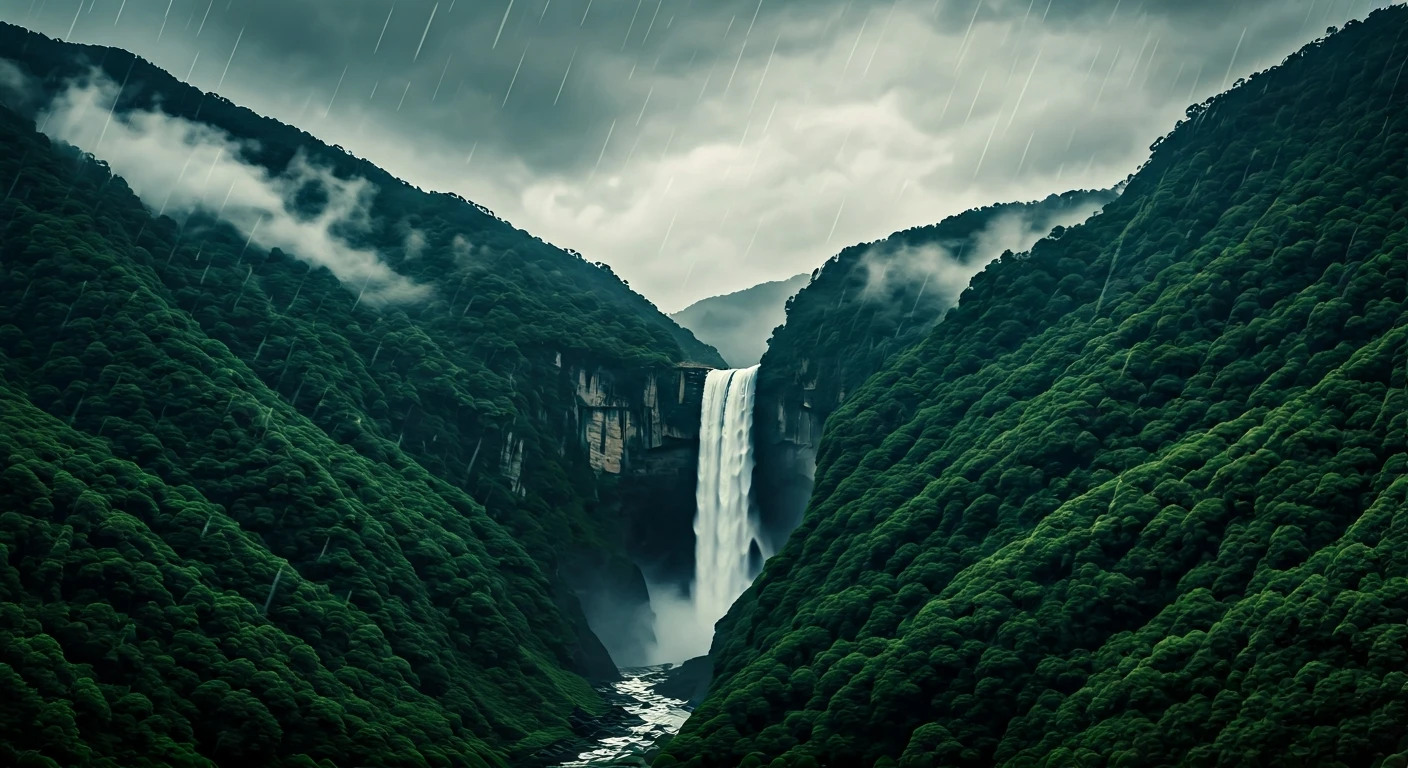
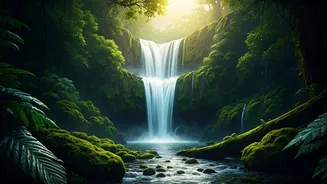
With the rain comes the main attraction: the waterfalls. During the monsoon, hundreds of falls—some temporary, some permanent giants—come to life. The most famous is Nohkalikai Falls, the tallest plunge waterfall in India. It cascades from a verdant clifftop into a turquoise pool below, its origin story steeped in a tragic local legend. Not far away are the Seven Sisters Falls (Nohsngithiang Falls), a segmented waterfall where seven distinct streams tumble down a limestone cliffside, creating a breathtaking panorama. Another favorite is Elephant Falls, a more accessible, multi-tiered fall just outside the capital city of Shillong. Hiking to these spots involves navigating misty trails and lush forests, where the reward is a front-row seat to nature's raw power.
Walk Across Living Root Bridges
Perhaps the most incredible creations in Meghalaya are its living root bridges. For centuries, the indigenous Khasi and Jaintia peoples have guided the aerial roots of rubber fig trees across rivers and ravines, weaving them together to form sturdy, living structures that grow stronger over time. These are not just tourist attractions; they are masterpieces of natural engineering and a vital part of the local infrastructure. The trek to the famous double-decker root bridge in the village of Nongriat is a challenging but unforgettable pilgrimage. The multi-hour hike descends through jungle terrain, crossing several smaller root bridges and rickety suspension bridges before revealing the stunning, two-tiered marvel. It's a humbling testament to a culture that works in harmony with nature, rather than against it.
A Practical Guide for the Monsoon
Convinced you’re a rain lover? To do this trip right, a little preparation goes a long way. The best time to go is during the peak monsoon, from June through September. Fly into Guwahati (GAU) in the neighboring state of Assam, then hire a car for the scenic three-to-four-hour drive to Shillong, Meghalaya's capital. From there, Cherrapunji is another two hours away. Pack light, but pack smart: a high-quality rain jacket, waterproof pants, and sturdy, quick-drying hiking boots with excellent grip are non-negotiable. Bring leech socks (yes, they're a thing) for jungle treks, a waterproof bag for your electronics, and a sense of adventure. Embrace the fact that you will get wet—and that's the whole point.