






The Push for Strength
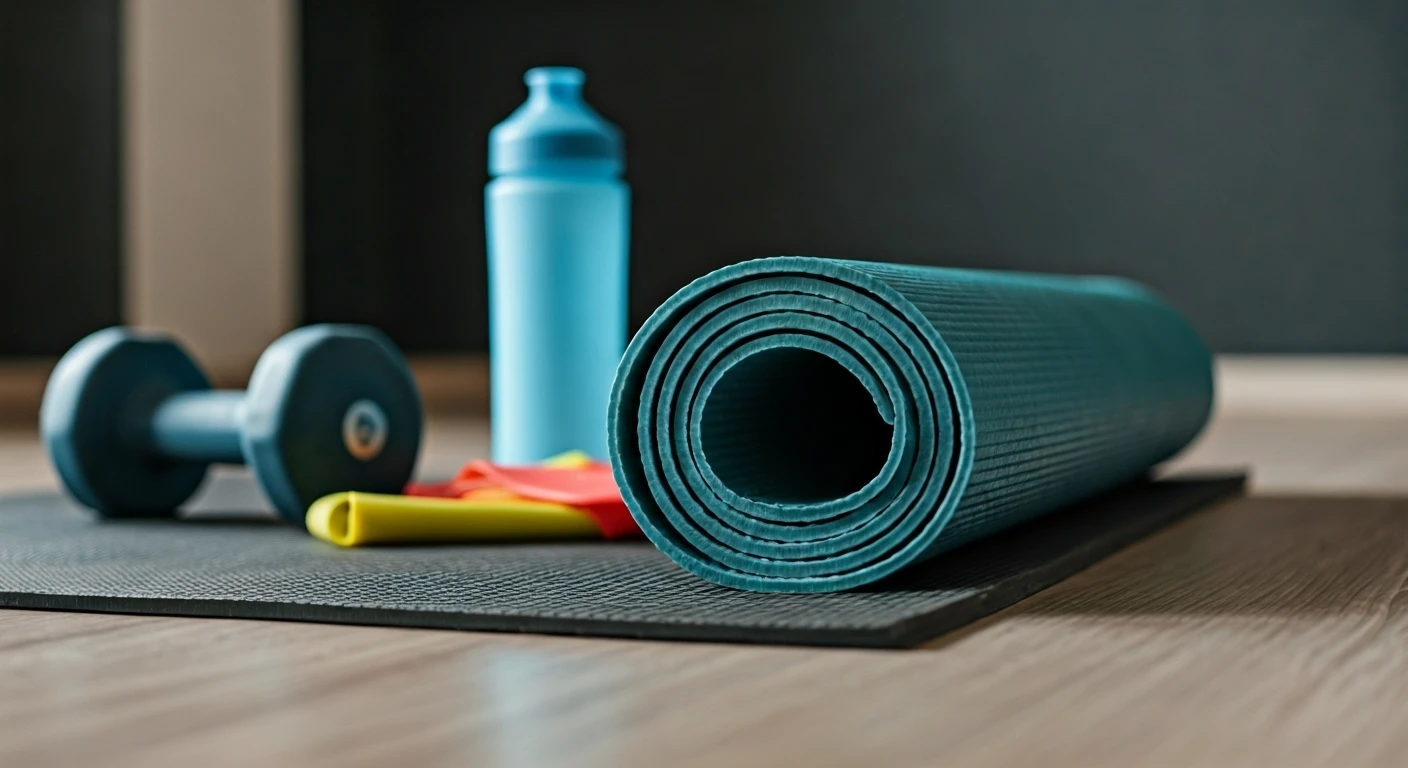
First, let's talk about 'strong.' This isn't about building bulk or achieving a bodybuilder's physique. Instead, the current of strength flowing through modern yoga is about functional power and stability. Think of dynamic vinyasa classes that feel more
like a full-body workout, or teachers incorporating resistance bands and bodyweight drills. The goal is resilience. After years of being told to simply 'let go' and 'soften,' many practitioners are discovering the empowerment that comes from building the physical strength to support their own bodies, both ofF and on the mat. This version of strength is about creating a stable container—strong shoulders to hold you in plank, an engaged core to protect your back, and powerful legs to ground you in standing poses. It’s a recognition that true ease of movement often comes from a foundation of well-supported power.
The Focus on Mobility
For years, yoga was synonymous with flexibility. Today, the conversation has shifted to a more useful and functional concept: mobility. While flexibility refers to your muscles' passive ability to lengthen (like in a deep stretch someone helps you with), mobility is your ability to actively control and move your joints through their full range of motion. This is the antidote to our sedentary, screen-heavy lives. Hours spent hunched over a desk or phone can lead to stiff hips, locked-up shoulders, and a compressed spine. Mobility-focused yoga addresses this directly. You’ll see it in classes that feature joint circles, controlled articular rotations (CARs), and dynamic movements designed to improve how you move in daily life. The aim isn't just to touch your toes, but to be able to squat, reach, and twist with fluid control and without pain. It’s prehab, not just a workout.
The Deep Need for Calm
The third, and perhaps most crucial, element is 'calm.' This is the bedrock of yoga, but it has taken on a new urgency in our era of chronic stress and digital overload. While a vigorous flow can be a fantastic stress-buster, the current trend embraces calm as a practice in itself. Restorative yoga, yin yoga (where poses are held for several minutes), and yoga nidra ('yogic sleep') are no longer niche offerings but essential pillars of a balanced practice. Teachers are dedicating more time to mindful breathwork (pranayama) and longer, more luxurious savasanas (final rest). This isn't about escaping reality; it's about training the nervous system to handle it. The focus is on down-regulating, activating the body's 'rest and digest' response, and creating a space for genuine mental and emotional stillness. This is the component that makes the strength and mobility work truly sustainable.
Where the Three Intersect
The real magic of this year’s yoga mood isn't in choosing one of these elements, but in understanding how they work together. Strength without mobility leads to stiffness and injury. Mobility without strength can result in instability. And pursuing either without a calm, mindful approach can just become another way to burn out. The ideal modern practice weaves all three together. You might use strength to stabilize a joint as you explore its mobile range, or use a calm, focused mind to get through a challenging sequence. The 'mobile' aspect also has a second meaning: accessibility. With the explosion of high-quality yoga apps and on-demand platforms, you can find a class that fits your specific need—be it a 20-minute power flow, a 10-minute mobility drill, or a 30-minute restorative session—anytime, anywhere. This puts you in the driver’s seat of your own wellness journey.