






The New Desk-Side Status Symbol
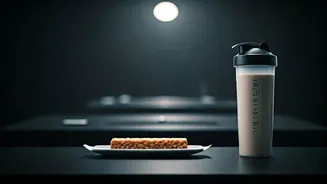
Walk through any modern corporate office mid-afternoon, and you’ll see it. Past the standing desks and dual monitors, someone is peeling back the wrapper on a sleekly packaged bar or shaking a chalky-looking powder into a water bottle. The candy bars
and bags of chips that once dominated the vending machine have been pushed aside for snacks boasting “20g of protein” and “only 1g of sugar.” Brands like Quest, RXBAR, and ONE Bar have become the unofficial snack sponsors of the American white-collar workforce. This isn’t just about staving off hunger until dinner. The high-protein snack has become a quiet signal of ambition—a tangible, edible sign that you are optimizing your body for peak performance, even if that performance is just answering another hundred emails. It’s the dietary equivalent of wearing a fitness tracker to a board meeting: a personal-branding choice that says, “I’m serious about my productivity.”
Selling Productivity in a Wrapper
The marketing genius behind this trend lies in reframing the snack. It’s not an indulgence; it’s an investment. The language on the packaging and in advertisements is rarely about taste or enjoyment. Instead, it’s about utility. These are “fuel” to “crush your day,” “power” to “get through the grind,” and “building blocks” for a better you. This messaging taps directly into the anxieties of the “hustling” professional, for whom time is the ultimate currency and burnout is a constant threat. The promise is simple: eating this bar is a shortcut to maintaining focus and energy, allowing you to work longer and harder without crashing. It transforms a moment of basic human need—hunger—into another opportunity for self-optimization. In the world of corporate hustle culture, where every minute is meant to be productive, the protein bar becomes a tool, no different from a time-management app or a noise-canceling headset. Food companies aren't just selling a mix of whey protein and sweeteners; they're selling a solution to professional exhaustion.
The Science of the Sedentary Snack
But does the nutritional science support the hype? For the average office worker, probably not. Protein is essential for muscle repair and satiety, but the high doses found in these snacks—often equivalent to a small chicken breast—are typically more than a sedentary person needs in a single sitting. Nutrition experts often point out that athletes who engage in intense physical training benefit from a post-workout protein boost to repair muscle tissue. An accountant preparing a quarterly report, however, is not placing the same physical demands on their body. While a protein-rich snack can help with feeling full and preventing the blood sugar spike-and-crash cycle associated with sugary options, the massive quantities being marketed are often overkill. The body can only process so much protein at once; the excess can be stored as fat or place a strain on the kidneys over time. For many, a handful of almonds, a Greek yogurt, or an apple with peanut butter would offer a more balanced and effective energy lift without the highly processed ingredients and artificial sweeteners common in many bars.
More Than a Snack, A Cultural Symptom
Ultimately, the rise of the high-protein office snack is less about dietary needs and more about a cultural shift. It reflects a workforce obsessed with productivity and self-improvement at all costs. In an environment that glorifies “the grind,” taking a real break can feel like a sign of weakness. The protein bar offers a compromise: a way to refuel at your desk without ever truly disengaging. It’s a performative act of wellness that neatly aligns with the demands of an always-on work culture. We've bio-hacked our sleep, our workouts, and our focus; it was only a matter of time before we bio-hacked our afternoon snack. This trend holds a mirror up to our professional lives, asking what we’re really hungry for. Is it the 20 grams of protein, or is it permission to rest, to recharge, and to accept that human beings are not machines that can be endlessly “fueled” for maximum output?