


Why Gulping Isn't a Silver Bullet
Chugging a 32-ounce bottle of water first thing in the morning might feel like a win, but your body can only absorb so much fluid at once. When you flood your system, a significant portion of that water passes through you quickly, turning into urine before
it can effectively hydrate your cells. Think of it like watering a dry, potted plant with a firehose—most of the water runs right out the bottom. True hydration happens at a cellular level, and for water to get inside your cells where it’s needed most, it requires a little help from other nutrients.
Eat Your Water
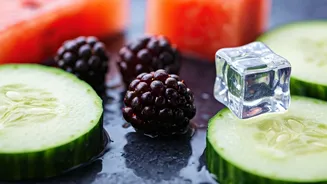
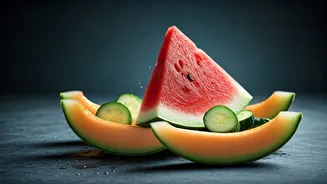
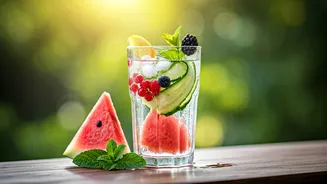
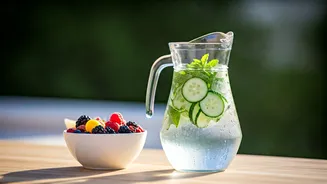
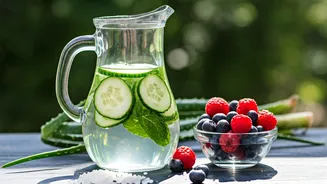
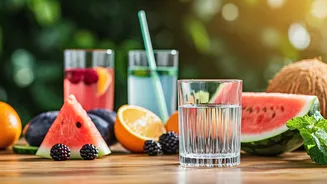
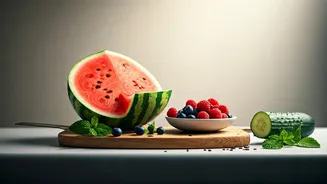
One of the most effective ways to hydrate is by eating water-rich foods. When water is packaged within the fibrous structure of fruits and vegetables, it's released more slowly into your system, allowing for better absorption. This “gel water” is packed with nutrients that aid the hydration process. Excellent sources include: - **Cucumber & Celery:** At over 95% water, these are hydrating powerhouses. They also provide fiber and trace minerals. - **Watermelon & Strawberries:** Both are more than 90% water and contain natural sugars and electrolytes that help your body utilize that fluid. - **Zucchini & Bell Peppers:** These versatile veggies can be eaten raw or cooked and still contribute significantly to your daily fluid intake. Integrating these foods into your meals and snacks provides a steady, slow-release source of hydration all day long.
The Unsung Heroes: Electrolytes
Electrolytes are minerals that carry an electric charge, and they are the gatekeepers of cellular hydration. The most important ones for this job are sodium and potassium. They work together to maintain fluid balance, helping to pull water from your bloodstream into your cells. Without enough of them, water can struggle to get where it needs to go. This doesn't mean you should start adding spoonfuls of table salt to your water. You can get the right balance from whole foods. A pinch of high-quality sea salt in your morning water can help, but you’ll get even more benefits from eating things like bananas and avocados (rich in potassium), yogurt, and leafy greens. A balanced diet naturally provides the electrolytes your body needs to make the most of the water you drink.
Sip, Don't Slam
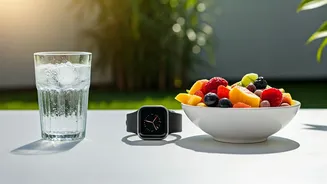
The timing of your water intake matters just as much as the quantity. Instead of chugging large amounts a few times a day, aim to sip consistently. Keeping a water bottle on your desk or with you throughout the day encourages small, frequent sips. This steady intake gives your body a constant supply of water it can actually process and absorb. It prevents the kidneys from being overwhelmed and simply flushing out the excess. This approach is more effective for maintaining energy levels, cognitive function, and overall well-being. Think of it as a gentle, continuous drip rather than a sudden flood.
Think Beyond Plain Water
While water is king, other fluids can also contribute effectively to your hydration status. Milk, for instance, has been shown in some studies to be excellent for rehydration due to its natural blend of carbohydrates, protein, and sodium. Broths and soups are also fantastic choices, as they deliver water along with sodium and other minerals. Even your morning coffee or tea contributes to your fluid total, though it's wise to balance them with other sources due to the mild diuretic effect of caffeine. Coconut water is another great option, naturally rich in potassium. The goal is a varied approach that incorporates fluids from multiple healthy sources.