




The Ultimate Kitchen Mashup
At its heart, sourdough naan is exactly what it sounds like: a traditional naan recipe that swaps out commercial yeast and some of the yogurt for an active, bubbly sourdough starter. This isn’t just a simple substitution; it’s a fundamental shift in the bread’s
DNA. Traditional naan gets its quick rise and soft texture from yeast and its subtle tang from yogurt. It’s a fast, reliable flatbread designed for the intense, immediate heat of a tandoor oven. Sourdough naan, by contrast, is a product of the patient, low-and-slow world of natural leavening. It taps into the same baking obsession that saw millions of Americans nurturing their starters through 2020 and beyond. It represents a collision of worlds: the ancient, rustic bread-making traditions of Europe meeting the equally ancient and beloved flatbreads of South Asia, all happening on a countertop in a modern American kitchen. It’s less a replacement for the classic and more of a remix—a testament to the creative spirit of the home baker.
A Deeper, More Complex Flavor
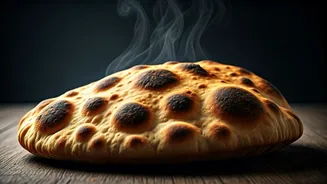
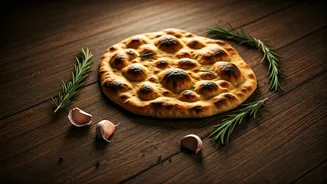
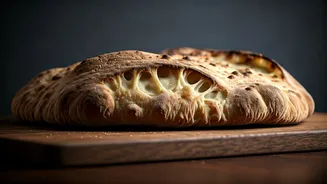
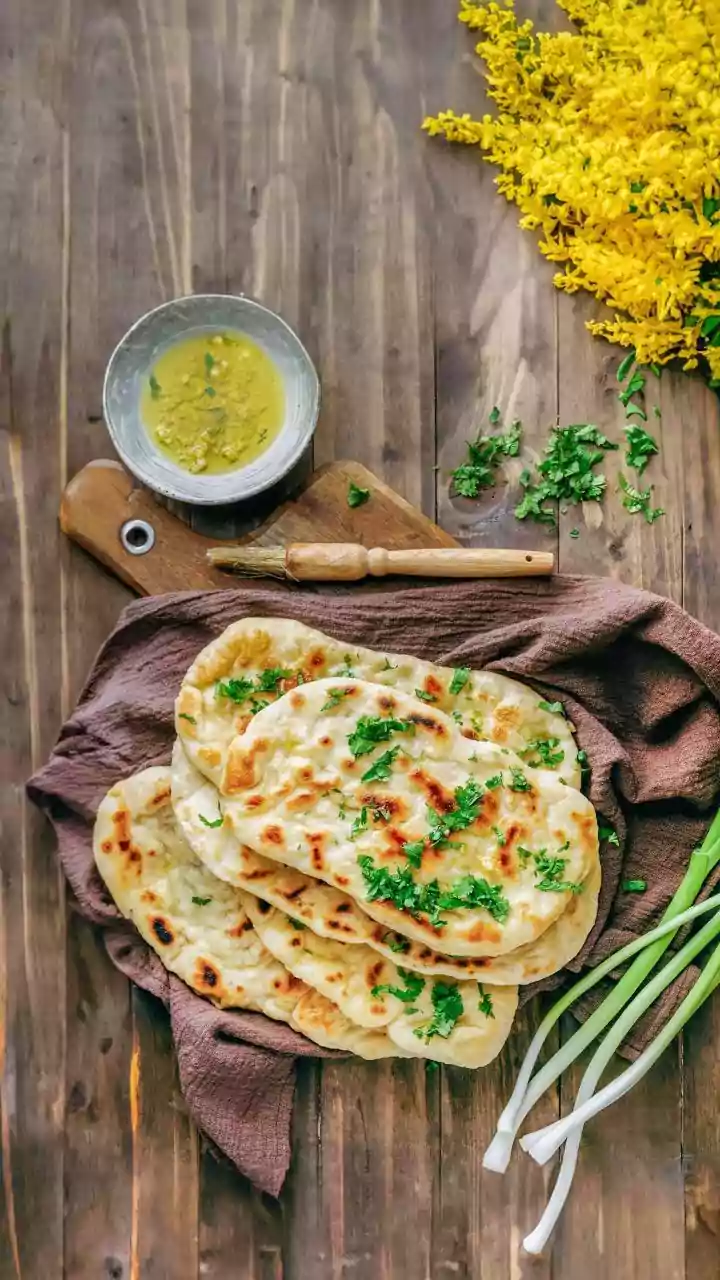
So, why bother with the extra time and effort? The answer is flavor and texture. While classic naan is wonderfully soft and mild, a perfect vehicle for sopping up rich curries, sourdough naan brings its own distinct personality to the table. The wild yeasts and bacteria in the starter create a deeper, more complex tang with a subtle sourness that beautifully complements the smoky char from a hot skillet. It’s the difference between a simple pop song and a layered jazz standard; both are great, but one has a lot more going on under the surface. The texture also evolves. The long, slow fermentation process develops the gluten in the flour more thoroughly, resulting in a bread that is often chewier and more substantial than its yeasted cousin. It still has the signature bubbles and soft interior, but with a satisfying elasticity and a crust that gets wonderfully crisp in spots. When brushed with garlic-infused ghee or butter, that complexity is amplified, creating a flatbread that’s compelling enough to eat all on its own.
From Tandoor to Home Skillet
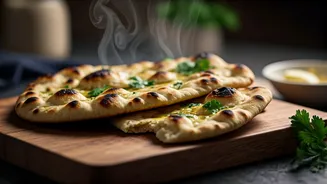
This trend is perfectly suited for the home cook. While authentic naan is traditionally slapped against the searingly hot clay walls of a tandoor, most of us don’t have one in our backyard. The go-to home method is a screaming-hot cast-iron skillet, a technique that works brilliantly for sourdough naan. The heavy, heat-retaining iron provides the intense, direct contact needed to create those signature puffy bubbles and charred leopard spots. The rise of sourdough naan is also a story about using what you have. For dedicated bakers, the sourdough starter is a constant presence, a living ingredient that needs to be fed and used regularly. Finding new and exciting “discard” recipes is a perpetual quest. Sourdough naan provides a perfect outlet, transforming a byproduct of loaf-baking into the star of a meal. It reflects a modern desire for less waste, more flavor, and the satisfaction of mastering a new technique.
Is It Worth the 'Challenge'?
The word “challenge” might seem intimidating, but for anyone who has successfully maintained a starter, it’s the logical next step. The process isn't necessarily harder, but it does require a different mindset. Instead of a one-hour rise, you’re looking at a multi-hour or even overnight fermentation. You have to read the dough, understand when it's airy and ready, and work with a stickier, more active substance. This is precisely its appeal. It’s a project. It’s for the baker who has mastered the country loaf and is asking, “What’s next?” The reward isn’t just a delicious flatbread; it’s the satisfaction of applying a skill in a new and creative way. It’s watching your starter, which you’ve nurtured for weeks or months, breathe life into a completely different kind of bread. The challenge lies in the patience and observation it demands, making the final, puffed-up result feel like a genuine culinary achievement.