



The Irresistible Pull of the Past
There’s a unique comfort baked into the foods of our youth. For many millennials and older Gen Z, that means the artificially flavored, brightly colored, hyper-processed snacks that filled lunchboxes and after-school cupboards in the '80s, '90s, and early
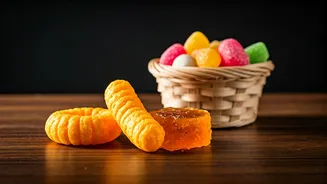
'00s. Think Dunkaroos, sugary cereals, and boxed macaroni. These foods are more than just calories; they’re edible time capsules, tied to memories of simpler times. The craving for them isn't just about hunger—it's about a desire to reconnect with a feeling of safety, fun, and blissful ignorance about ingredient lists. In a world of constant stress and information overload, the simple, reliable joy of a childhood snack feels like a small act of self-care. But as these generations have grown up, so have their priorities. The same person who once coveted a Fruit Roll-Up now reads labels, tracks macros, and values whole foods.
The 'Clean' Label Glow-Up
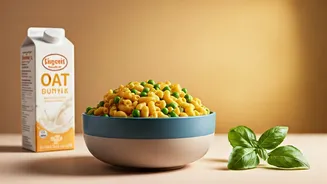
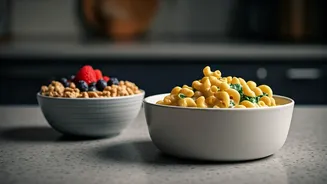
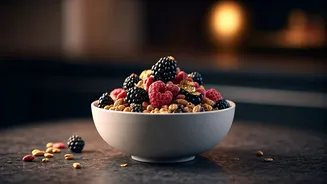
This is where the “cleaner” revolution begins. Enter a wave of challenger brands that are deconstructing our favorite junk foods and rebuilding them with a modern wellness ethos. The new formula is simple: keep the nostalgic flavor profile but ditch the baggage. This means swapping artificial dyes and flavors for natural alternatives, reducing sugar, and eliminating complex preservatives. More importantly, it means adding functional benefits. Goodles, for instance, remakes boxed mac & cheese with added protein and fiber from chickpeas and nutrients from vegetables, all while aiming for that classic cheesy taste. Magic Spoon reimagines sugary breakfast cereals like Cocoa Puffs and Frosted Flakes as high-protein, zero-sugar, keto-friendly options. The goal is guilt-free indulgence. You get the Proustian rush of the original, but in a form that aligns with an adult understanding of nutrition. It’s a powerful proposition: the comfort of the past, certified by the values of the present.
From Cartoon Mascots to Minimalist Art
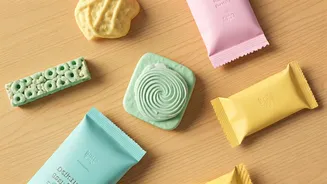
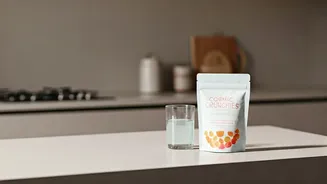
If the ingredients got a “clean” makeover, the packaging got a “cool” one. The loud, chaotic, character-driven designs of legacy brands have been replaced with a sophisticated, minimalist aesthetic tailor-made for the Instagram grid. These new products aren't designed to scream for a child's attention in the grocery aisle; they're designed to be displayed on an adult’s open kitchen shelving. Think matte boxes, elegant typography, and muted, contemporary color palettes. Brands like OffLimits cereal package their products in boxes that look more like collectible art, complete with quirky, abstract mascots. Squeeze-bottle olive oil from Graza and tinned fish from Fishwife have turned pantry staples into chic lifestyle accessories. This isn't just about looking good; it's a strategic move that reframes the product. It’s no longer a cheap, guilty pleasure. It’s a curated, premium item that signals taste, health-consciousness, and cultural awareness.
Why We're Buying Into It
The success of this trend is rooted in a perfect storm of consumer psychology and market opportunity. For consumers, it’s about resolving a fundamental conflict: the desire for comfort versus the discipline of wellness. These brands offer a perfect compromise. You can feel like a kid again without feeling like you’re betraying your adult health goals. This is especially potent for millennials, who are now at an age where they have disposable income and are making purchasing decisions for their own families. They want to share their favorite childhood flavors with their kids, but not the questionable ingredients. Beyond the personal, there’s a social component. A pantry stocked with these direct-to-consumer darlings is a form of identity expression. It says, “I’m playful and in touch with my inner child, but also discerning, healthy, and on-trend.” It’s nostalgia, but optimized for performance and public display.