

Beyond the Buffet Line
For decades, Indian cuisine’s global reputation was anchored in comfort and affordability. It was the dependable, delicious, and often-spicy star of neighborhood takeaways and lunch buffets. But a seat at the table of international haute cuisine? That
seemed reserved for French, Japanese, or Nordic kitchens. That perception is now definitively out of date. A dynamic and ambitious new guard of Indian chefs is not just joining Asia's elite dining conversation; in many ways, they're leading it. From Bangkok to Singapore, they are deconstructing and reimagining one of the world's most complex culinary traditions, earning prestigious awards and challenging diners to see Indian food in a new, sophisticated light.
The New Michelin-Starred Trailblazers
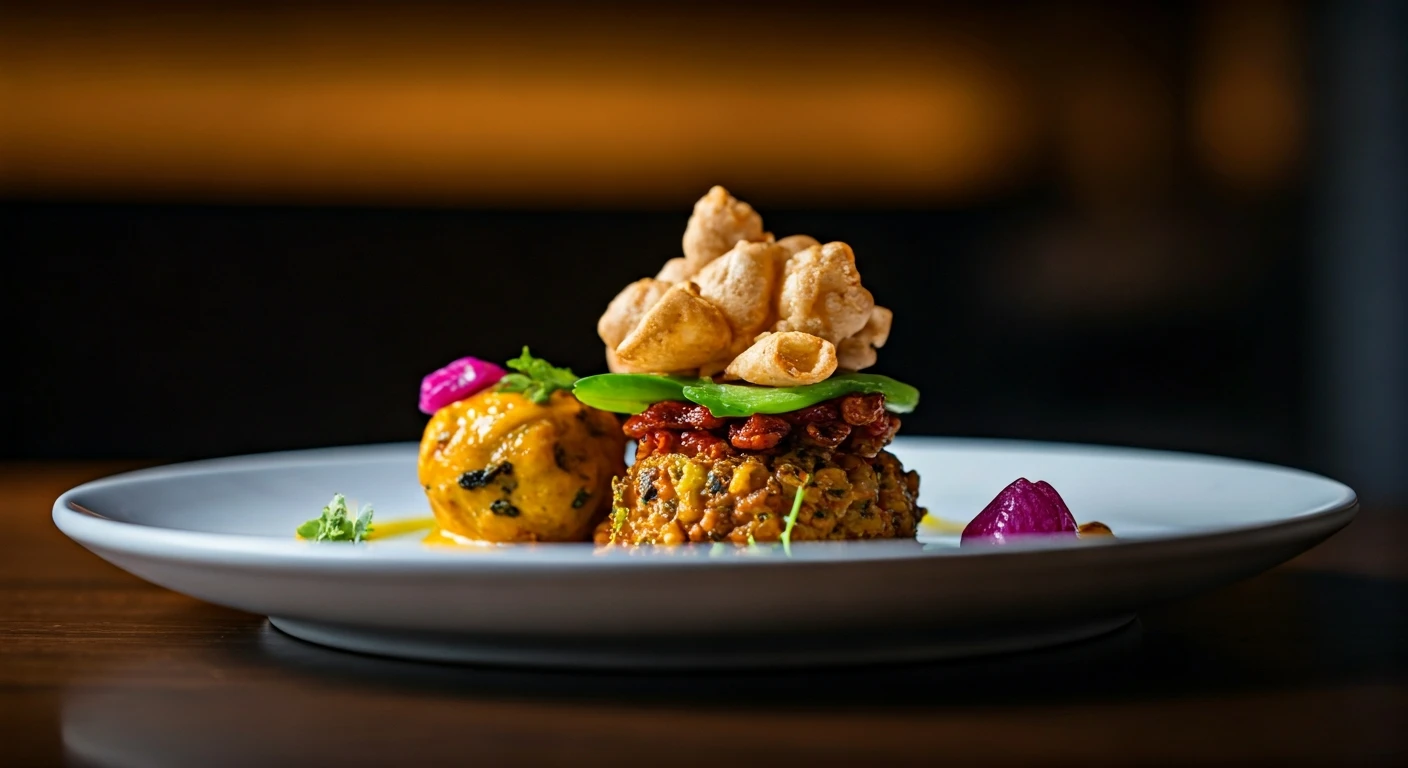
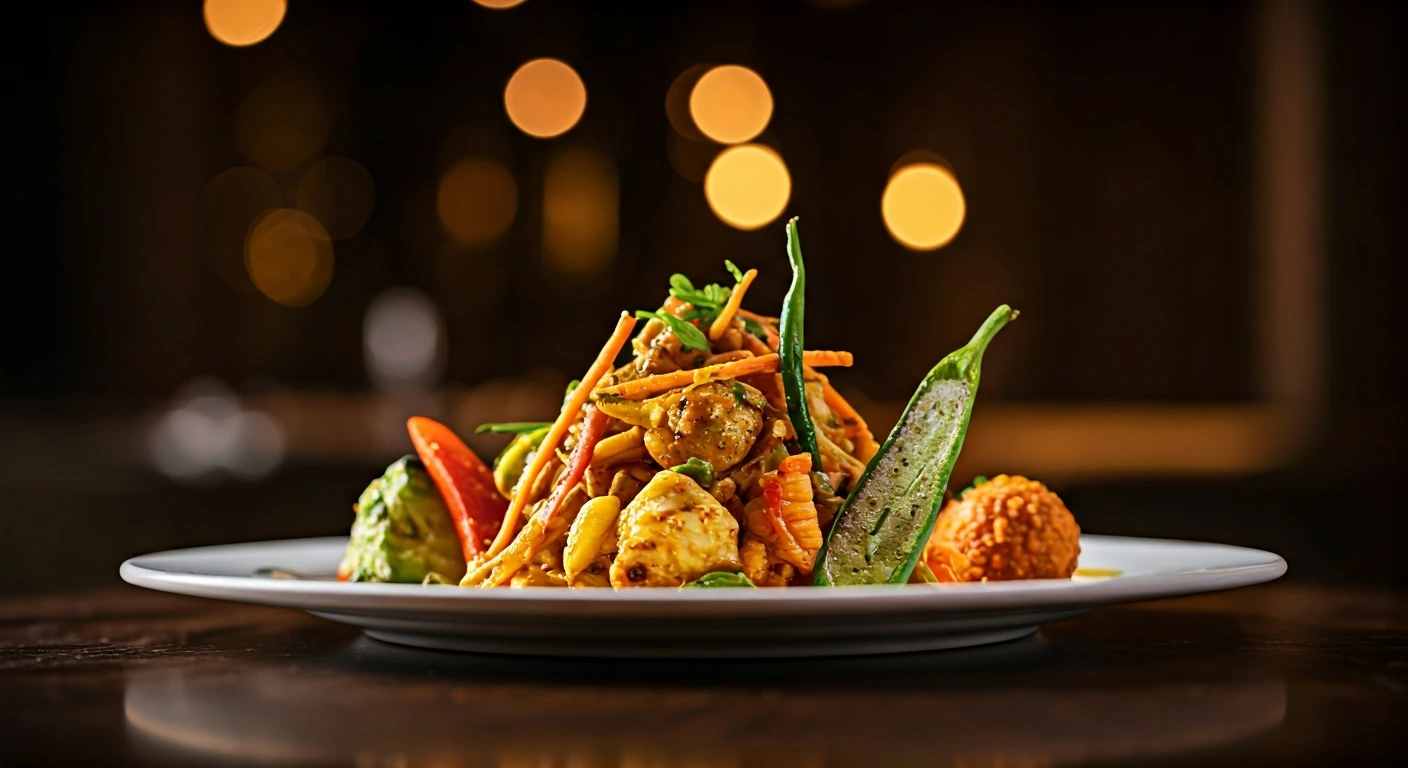
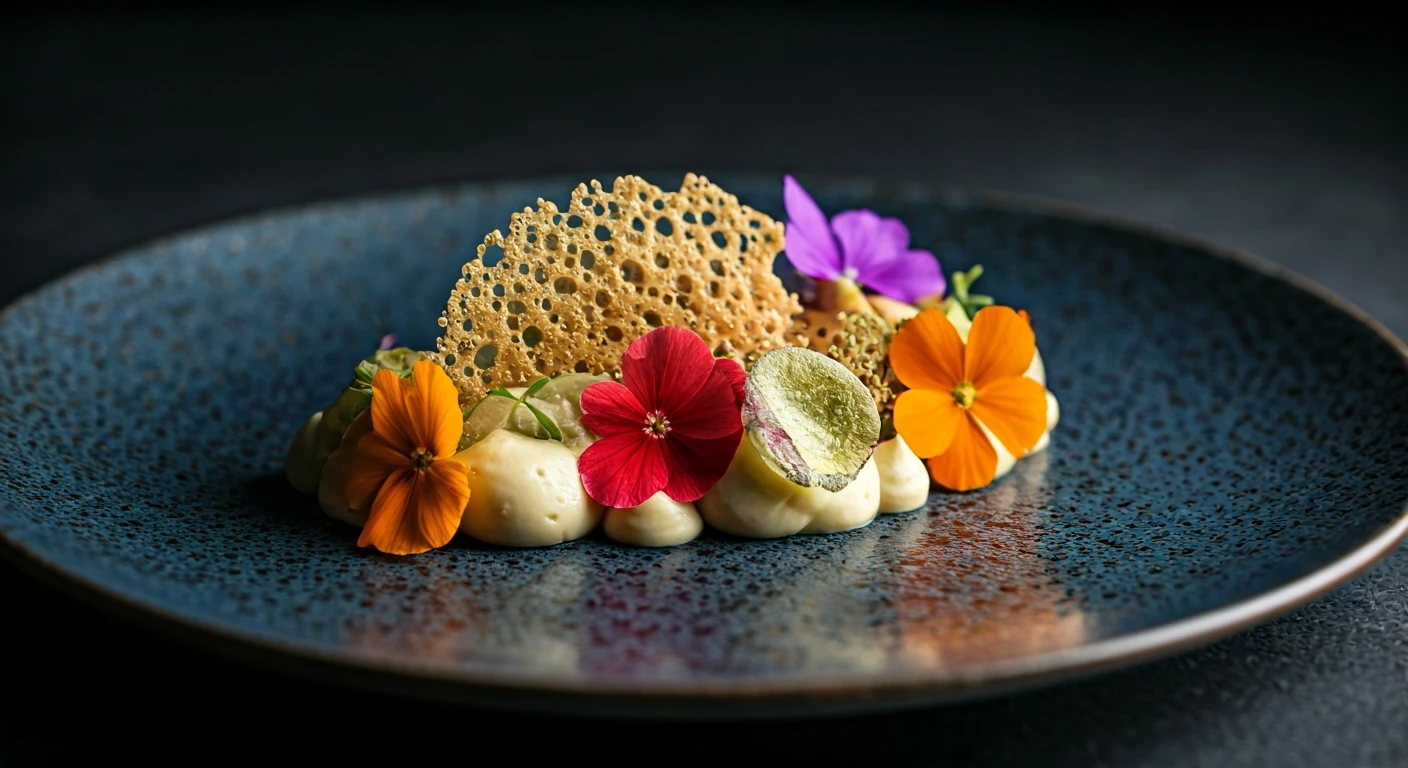
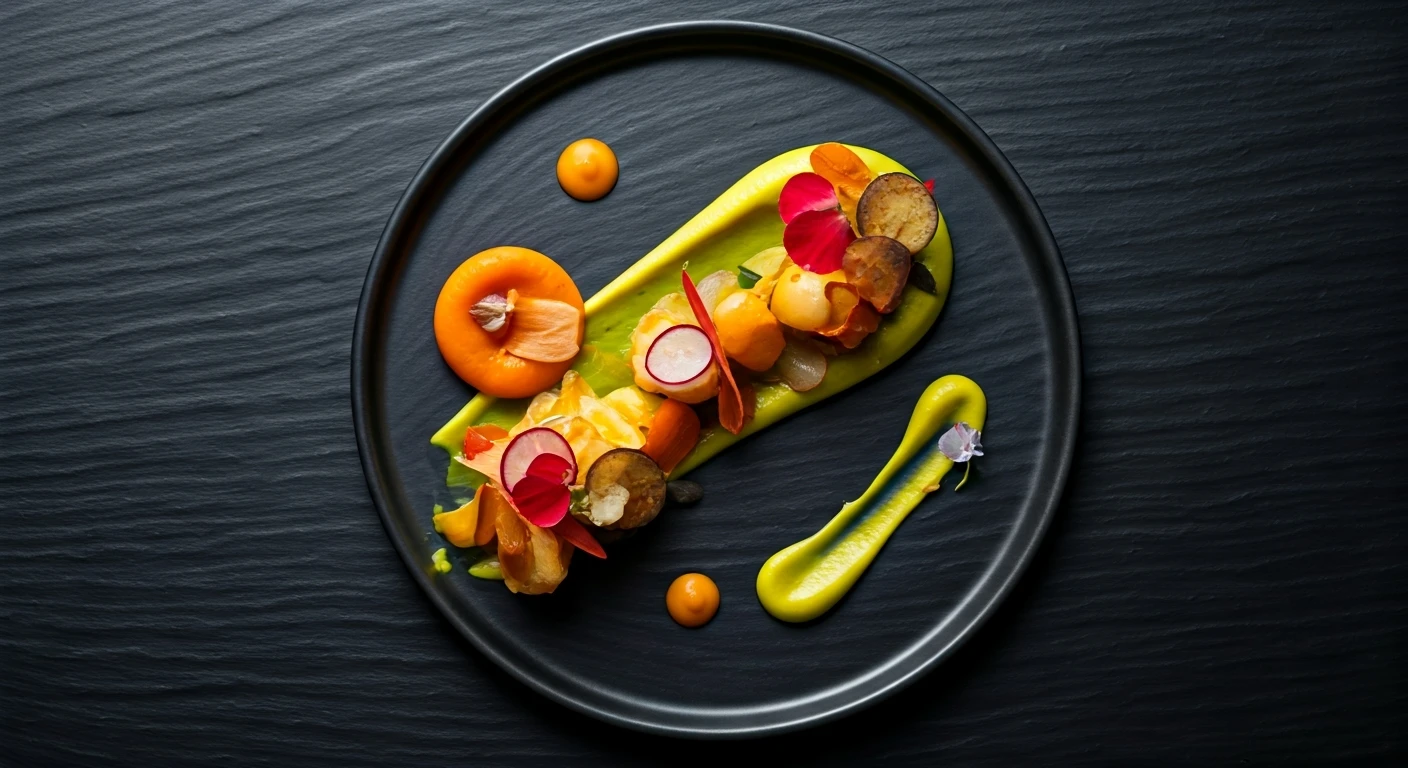
The shift is most visible in the accolades. In Bangkok, Garima Arora became the first Indian woman to earn a Michelin star for her restaurant, Gaa, which artfully blends Indian techniques with Thai ingredients. Her success wasn't a fluke. In Singapore, Chef Mano Thevar’s restaurant, Thevar, now holds two Michelin stars for its modern Indian food infused with Malaysian flavors, a nod to his Penang heritage. These chefs aren’t just making better versions of butter chicken. They are creating entirely new flavor profiles. Think of Thevar’s Cempedak Prawn, a crispy prawn served with a pungent local fruit, or Arora’s exploration of fermented dishes that connect Indian and Southeast Asian culinary histories. They are using their deep understanding of Indian spices and cooking philosophies as a launchpad for innovation, not a rulebook.
Redefining Authenticity
What these chefs are doing is forcing a re-evaluation of the word “authentic.” For too long, authenticity in Indian food was judged by its adherence to rigid, historical recipes. This new generation argues that authenticity lies in the spirit and philosophy of the flavors, not in a static ingredient list. Chef Deepanker “DK” Khosla of Haoma, another celebrated Bangkok restaurant, champions a “neo-Indian” urban farm concept, growing many of his own ingredients. He uses classic Indian flavor combinations but applies them to local Thai produce, creating a cuisine that is both deeply Indian and completely of its place. This approach liberates the food from the pressure of being a museum piece and allows it to be a living, breathing art form that responds to its environment.
Why Now? A Perfect Culinary Storm
Several factors are fueling this movement. A generation of chefs who trained in the world's best kitchens—from Noma in Copenhagen to The Fat Duck in England—are returning to their heritage with a global perspective. They have the technical skills and creative confidence to experiment. At the same time, global diners have become more adventurous, seeking out novel experiences and complex flavors beyond the European canon. Furthermore, the immense diversity of India's own regional cuisines, from the coastal flavors of Kerala to the subtle dishes of Bengal, provides a nearly infinite library of ideas for chefs to draw from. This international success is also inspiring a wave of ambitious restaurants back in India, like Mumbai’s Masque, which was recently named the best restaurant in the country by Asia's 50 Best Restaurants, creating a powerful feedback loop of innovation.