



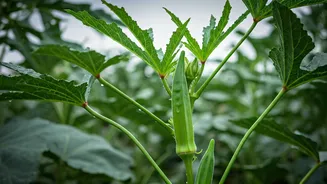
From Bhindi to Okra: A Vegetable Worth Knowing
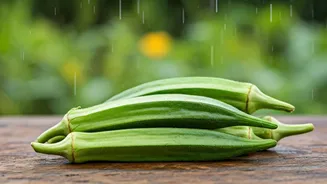
If you’ve ever enjoyed a flavorful bhindi masala or a crispy piece of fried okra, you understand its appeal. Bhindi is the Hindi word for okra, a vegetable treasured for its unique texture and ability to absorb spices. When cooked properly, it’s tender
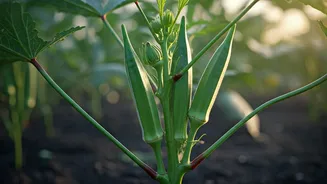
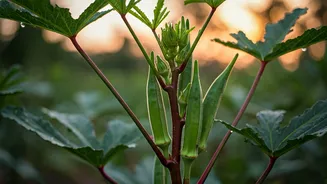
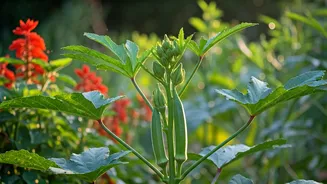
and delicious, not slimy. Native to Africa and cultivated for centuries across Asia and the Americas, okra (Abelmoschus esculentus) is a member of the mallow family, related to cotton and hibiscus. Its beautiful, hibiscus-like flowers are an added bonus in any garden, but the real prize is the edible green pods that follow. For many in the South Asian diaspora, growing bhindi at home is more than just gardening; it's a way to cultivate a direct link to cultural and culinary traditions.
Decoding 'Pre-Monsoon' for American Gardeners
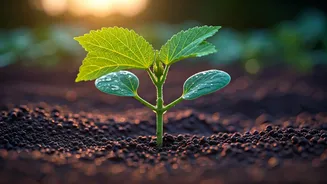
The headline's reference to “pre-monsoon planting” is a key piece of agricultural wisdom from the Indian subcontinent. It refers to sowing seeds during the hot, dry period just before the annual monsoon rains arrive. This gives the seeds a head start, allowing them to germinate and establish strong root systems in the warm soil. When the rains come, the plants are ready to thrive.
For gardeners in the United States, there’s a direct parallel: planting after the soil has thoroughly warmed up in late spring or early summer. Okra is a heat-loving crop. Planting it too early in cool, damp soil is a recipe for poor germination and stunted growth. The 'pre-monsoon' mindset encourages patience. You must wait for consistent warmth, essentially mimicking that pre-rainy season heat, to give your okra the best possible start.
The Golden Rule: Timing and Temperature
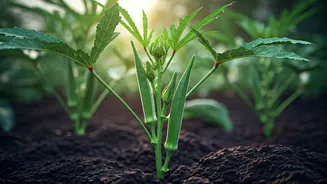
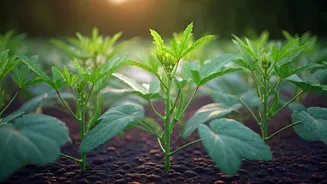
Forget the calendar date of the last frost. The real signal for planting okra is soil temperature. Your soil should be consistently at or above 65°F, and ideally closer to 70°F. For most of the U.S., this means late May or early June is the perfect time to sow seeds directly into the garden. In colder northern climates (USDA Zones 5-6), you can get a jump-start by sowing seeds indoors in biodegradable pots 3-4 weeks before you plan to transplant them outside. This ensures the plants are mature enough to take advantage of the summer heat. In the South and Southwest (Zones 8-10), you can often plant as early as April and even get a second crop in by planting again in late summer.
Site, Soil, and Spacing
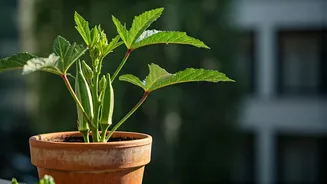
Okra demands two things above all else: sun and good drainage. Find the sunniest spot in your garden, as it needs at least 8 hours of direct sunlight per day to produce vigorously. The soil should be fertile and well-drained. If you have heavy clay, amend it with compost to improve its texture and nutrient content. A slightly acidic to neutral pH (6.0 to 7.0) is ideal. When planting, give your okra plants room to breathe. Sow seeds about 1 inch deep and 4-6 inches apart, then thin the seedlings to a final spacing of 12-18 inches apart in rows that are 3 feet apart. This spacing seems wide at first, but okra plants can grow tall and bushy, and good air circulation is crucial for preventing disease.
Harvesting for Tenderness, Not Size
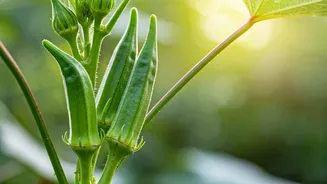
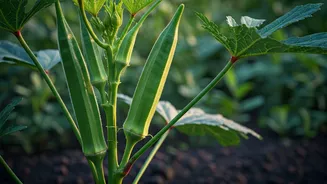
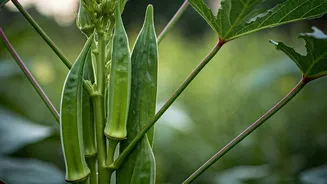
The biggest mistake new okra growers make is waiting too long to harvest. Okra pods grow incredibly fast, and a tender 3-inch pod today can become a woody, inedible 7-inch club by the weekend. The key is to harvest early and often. Start checking your plants daily once they begin flowering. The ideal pod is typically 2 to 4 inches long. Use a knife or pruners to cut the stem just above the pod. Be sure to wear gloves and long sleeves, as the leaves and stems of many okra varieties have small spines that can irritate the skin (varieties like 'Clemson Spineless' are less irritating). Frequent harvesting also encourages the plant to produce more pods, extending your harvest throughout the summer.