

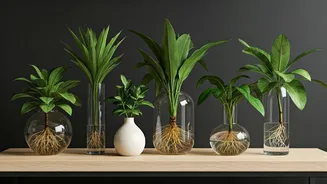
Meet the Soil-Free Solution
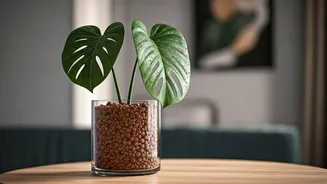
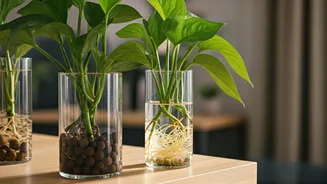
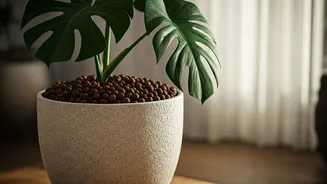
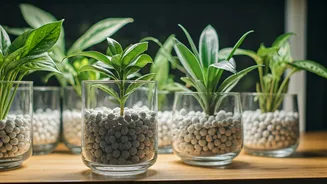
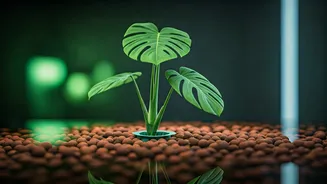
The secret lies in a method called semi-hydroponics, and its star player is LECA—an acronym for Lightweight Expanded Clay Aggregate. If you’ve ever seen a plant thriving in a glass vase filled with little reddish-brown clay balls, you’ve seen LECA in action.
These porous, sterile pebbles are baked at high temperatures, causing them to expand and become honeycombed with tiny air pockets. Instead of sitting in dense, wet soil, a plant’s roots weave themselves around these airy spheres, getting the perfect balance of moisture and oxygen. It’s a completely different environment from traditional potting soil, and it’s the foundation for a much cleaner indoor gardening experience.
The 'Cleaner' Advantage of No Soil
The most immediate benefit of switching from soil to LECA is the dramatic reduction in mess. There’s no dirt to spill during repotting, no muddy water leaking from drainage holes, and no grimy residue left on your shelves or windowsills. Repotting becomes a clean, simple process of lifting the plant, rinsing the pebbles, and placing it in a new container. Beyond simple tidiness, going soil-free eliminates the primary breeding ground for common houseplant pests. Fungus gnats, for example, lay their eggs in the top layers of moist soil. With no soil, their life cycle is broken. The sterile nature of LECA also means you’re not bringing potential mold spores, bacteria, or other unwanted organisms into your home, which is a significant plus for allergy sufferers and anyone who prefers a more hygienic living space.
The 'More Practical' Payoff
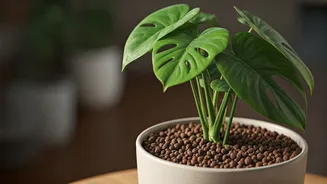
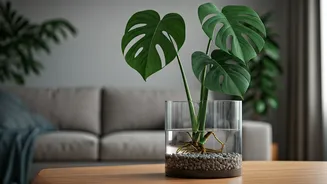
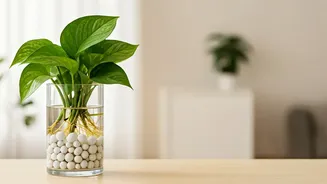
For many plant owners, watering is a constant source of anxiety. Am I giving it too much? Too little? Semi-hydroponics makes watering almost foolproof. The system typically involves an inner pot with drainage holes that holds the plant and LECA, which sits inside a larger, solid outer pot. This outer pot acts as a water reservoir. The LECA wicks moisture up to the plant’s roots as needed, preventing them from being constantly submerged and rotting—the number one killer of houseplants. You can physically see the water level in the reservoir, taking all the guesswork out of your routine. When the reservoir is empty, you simply refill it to about one-third of the way up the inner pot. This consistent moisture supply leads to healthier, more stable root growth and more resilient plants.
Making a Successful Switch
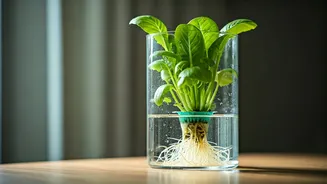
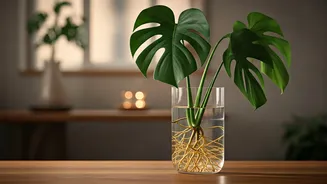
Transitioning a plant from soil to LECA requires a bit of upfront effort, but it pays off in the long run. The key is to be thorough. First, gently remove the plant from its soil pot and carefully wash away every bit of dirt from the roots. This step is crucial, as any remaining soil can rot and cause problems in the new setup. Once the roots are completely clean, you can place the plant in your new pot, carefully filling in around the roots with pre-soaked LECA pebbles. For the first few weeks, known as the 'water roots' phase, the plant will be adapting by growing new roots suited for this environment. During this period, keep the water reservoir very low or simply flush the pot with water every few days rather than letting it sit in a reservoir. Once you see new, white, fuzzy roots appear, the plant has successfully transitioned.
What You'll Need to Get Started
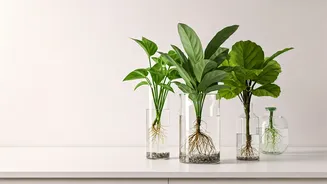
The toolkit for semi-hydroponics is surprisingly minimal. You'll need the LECA pebbles themselves, which are widely available online and at garden centers. You will also need a two-pot system—a nursery pot with drainage slits and a decorative cache pot with no holes to act as the reservoir. Many people simply use glass vases or jars, which look beautiful and make monitoring the water level even easier. Finally, because LECA contains no organic matter, you must provide nutrients. A specialized hydroponic fertilizer is essential, as it contains all the micro and macro nutrients your plant needs to thrive. A small bottle will last a long time, as you only need to add a diluted amount to the water every few weeks.