




Beyond the Takeout Menu
For many Americans, "Indian food" conjures a beloved but narrow set of dishes: creamy chicken tikka masala, buttery naan, and rich saag paneer. While delicious, this popular restaurant fare often represents just one slice of a vast and incredibly diverse
culinary subcontinent. Historically, Indian home cooking has been deeply tied to region, season, and agricultural reality. It was inherently sustainable, built on what the land provided. A new generation of chefs and home cooks in India are now looking past the homogenized, often heavy, restaurant versions of their cuisine. They are "reading" their grandmothers' kitchens not as static museums, but as living texts full of clues for a more sustainable future. This movement isn't about abandoning tradition; it’s about excavating its most resilient, eco-conscious principles.
The Mighty Millet Revival
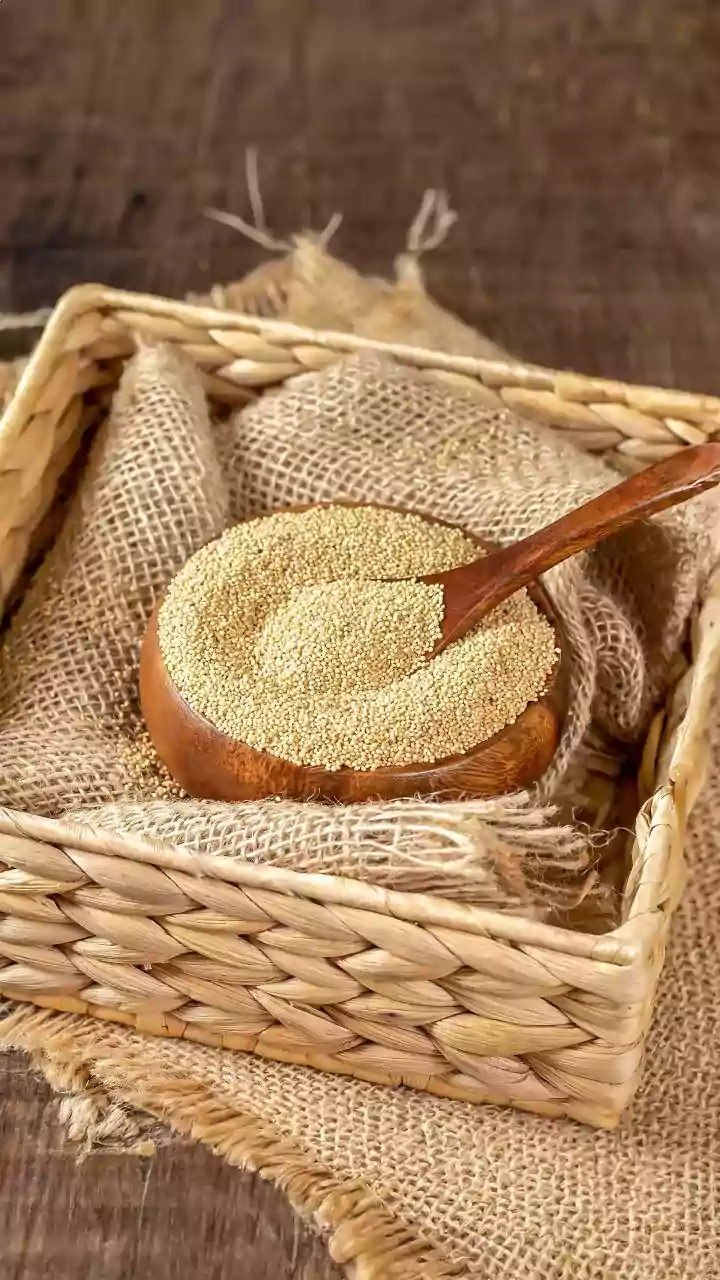
At the forefront of this shift is the resurgence of ancient grains, particularly millets. For centuries, diverse millets like foxtail, pearl, and finger millet (ragi) were staples across India. They are drought-resistant, require fewer resources than rice and wheat, and are packed with nutrients. During the Green Revolution of the 1960s, government policies and market forces prioritized high-yield rice and wheat, pushing millets to the margins, where they became seen as "poor people's food." Today, they are being celebrated for their resilience and versatility. Chefs are using millet flour for everything from savory crepes (dosas) to gluten-free breads and desserts. In homes, families are swapping out polished white rice for nutrient-dense millet porridge and pilafs. This isn't just a health trend; it’s a powerful act of agricultural and culinary decolonization, reclaiming grains that are perfectly adapted to India's climate.
The Root-to-Stem Ethos
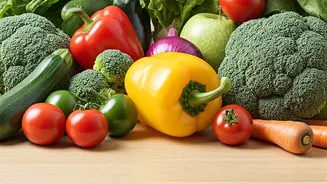
The global "nose-to-tail" movement in meat has found its plant-based counterpart in India's "root-to-stem" or "leaf-to-root" philosophy. This approach combats food waste by finding delicious uses for every part of a vegetable. It’s a principle that has long existed in frugal home kitchens but is now being elevated into a creative culinary art form. Think of peels from gourds being turned into flavorful chutneys, cauliflower stems and leaves being roasted into a savory side dish, or watermelon rinds being pickled or candied. This ethos challenges the modern habit of cosmetic food perfection, which generates enormous waste. By seeing value in the entire plant, Indian cooks are reducing their environmental footprint while unlocking new layers of flavor and texture that were hiding in plain sight. It’s a return to a resourceful mindset where nothing is wasted.
Reimagining Plant-Forward Classics
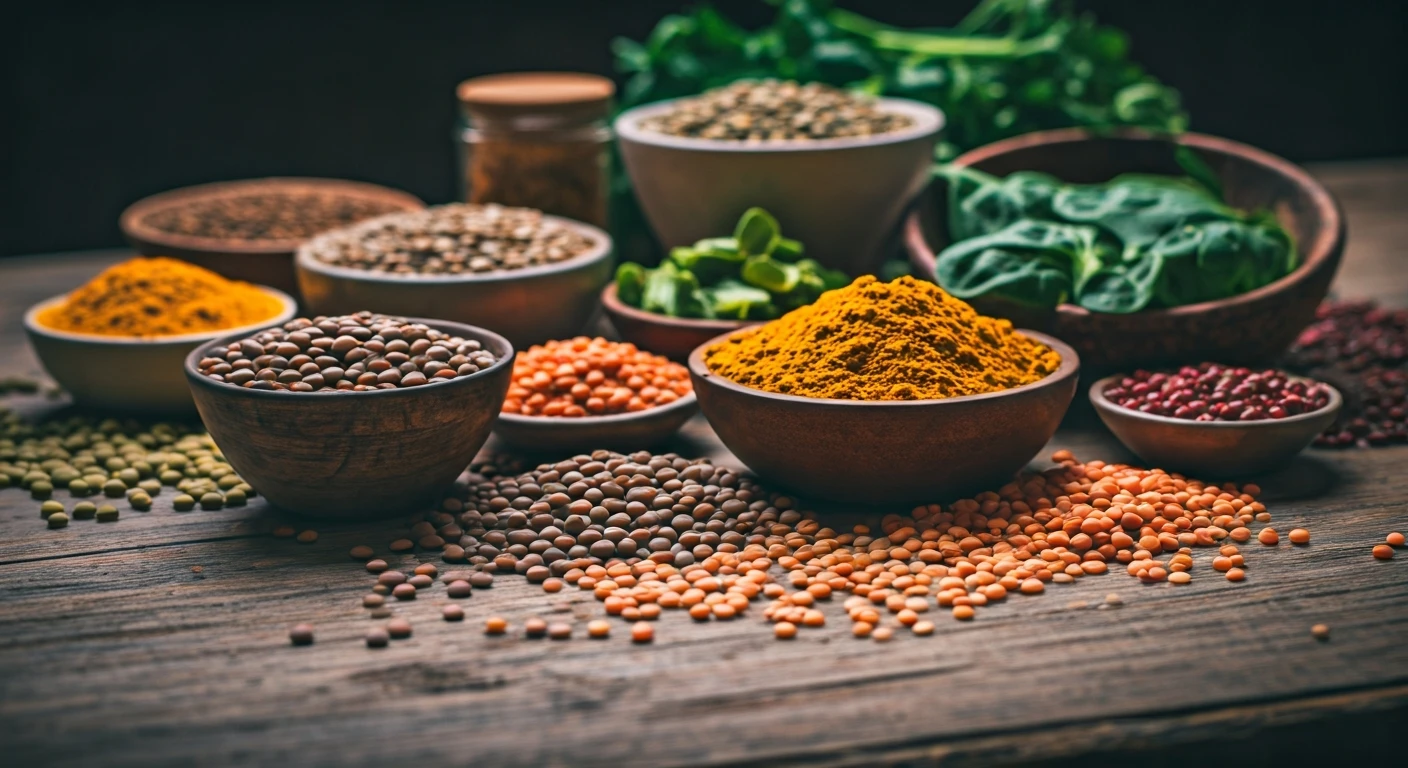
While India has one of the world's largest vegetarian populations, the modern sustainable movement is less about strict veganism and more about being "plant-forward." It’s a subtle but important distinction. Rather than relying on processed substitutes, chefs are finding innovative ways to celebrate the inherent richness of vegetables, legumes, and pulses. This might mean a dish where jackfruit, with its meaty texture, stands in for lamb in a traditional biryani, or where mushrooms provide the umami depth in a kebab. It’s about re-centering plants on the plate and using meat and dairy more judiciously, as a flavoring agent rather than the main event. This approach feels authentic to the spirit of Indian cuisine, which has always excelled at making vegetables the star of the show. It’s a creative challenge: how to deliver the complex, satisfying flavors of a classic dish while making it lighter, healthier, and better for the planet.