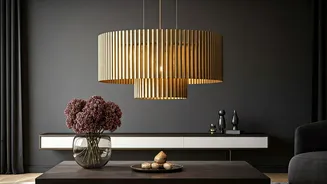




The Expensive Illusion of the 'Statement Piece'
The idea of a 'statement piece' is one of modern design’s most seductive myths. It promises a shortcut to a finished, magazine-worthy room. Buy this sculptural armchair, this oversized piece of art, or this impossibly chic marble coffee table, the logic
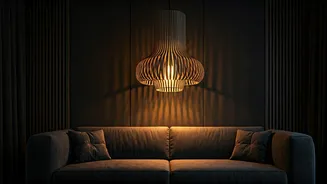
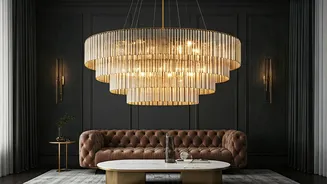
goes, and your space will instantly have a personality. But more often than not, this expensive new object ends up looking lost and out of place. Why? Because you can’t fix a room with one great thing if the room itself feels wrong. A $5,000 sofa sitting under a single, harsh overhead 'boob light' is still just a sad, expensive sofa in a poorly lit room. The showpiece becomes a spotlight on the room’s flaws, not a solution for them.
Thinking of Light as an Architect, Not a Decorator
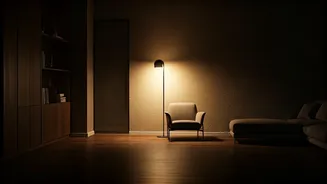
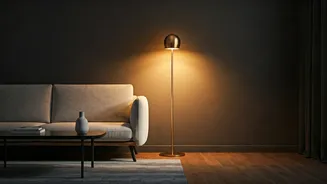
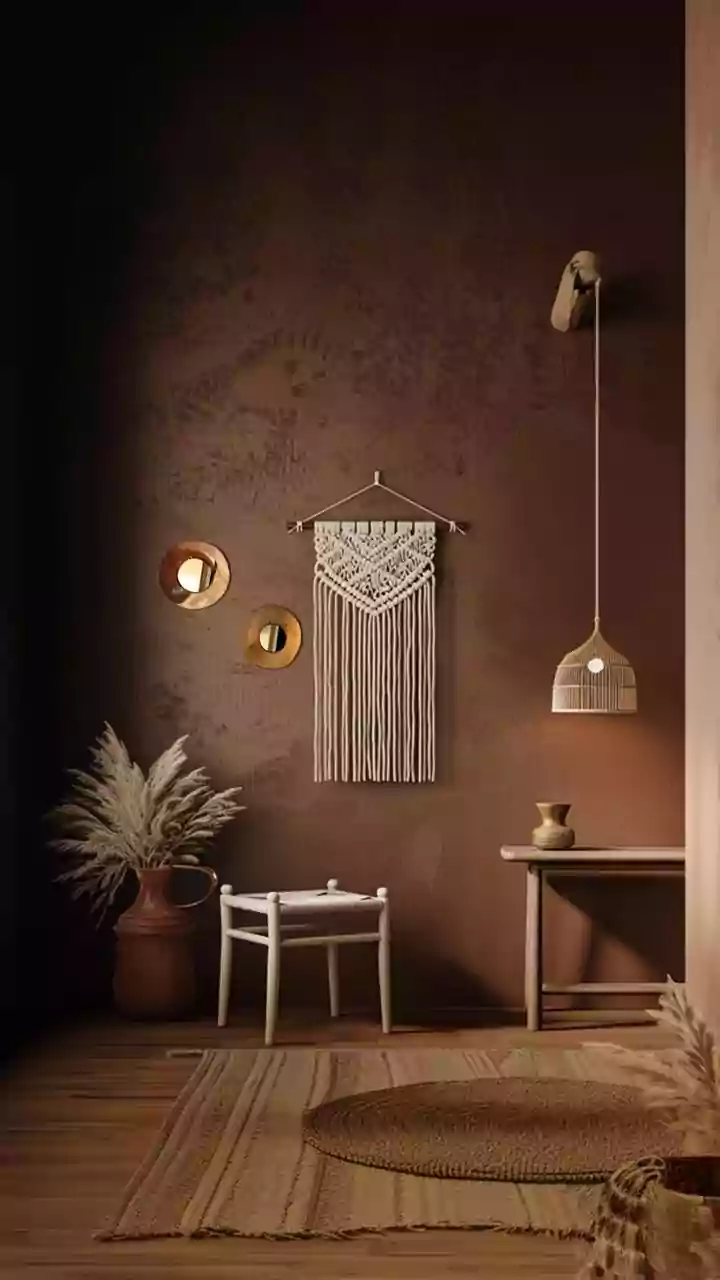
Here's the shift: stop thinking of lighting as a final accessory, like a throw pillow. Start thinking of it as a fundamental architectural element, as important as the walls themselves. Good lighting does what no showpiece can: it creates mood, defines spaces, and makes a room feel bigger, warmer, and more inviting. It’s the difference between a space that feels like a sterile waiting room and one that feels like a home. Light sculpts your perception. A pool of warm light over a reading chair creates a cozy nook. A wash of light across a textured wall adds depth and drama. A well-lit kitchen is functional and energizing. Before you add more *stuff* to a room, you need to control how you *see* the stuff that’s already there.
The Foundational Secret: Layer Your Light
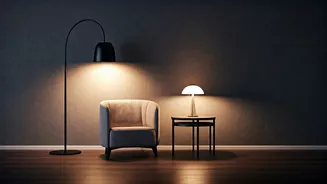
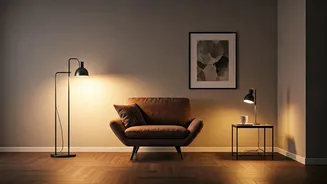
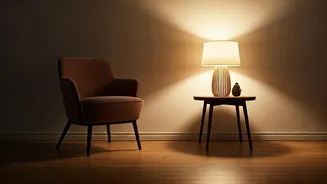
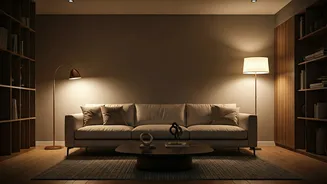
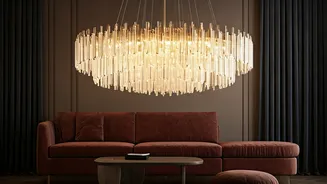
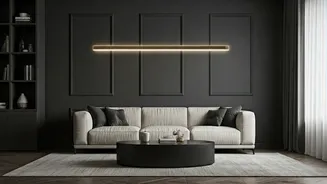
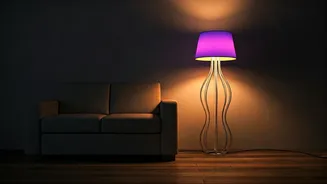
Professional designers know the secret isn’t one perfect lamp, but a combination of three layers of light. First is Ambient Light, the room’s overall illumination, usually from a central fixture or recessed lighting. This is your baseline. Second is Task Light, which is exactly what it sounds like: focused light for a specific activity, like a reading lamp by a chair, under-cabinet lighting for chopping vegetables, or a desk lamp for work. This is the functional layer. Finally, there's Accent Light, the fun stuff. This is the light that creates drama—an uplight on a plant, a picture light over artwork, or a spotlight on a beautiful architectural feature. A room with all three layers feels complete, dynamic, and infinitely more sophisticated than a room with a single, glaring overhead source.
Mastering Mood with Color Temperature
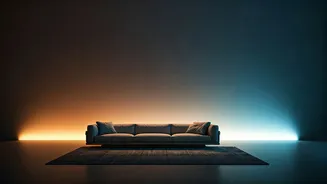
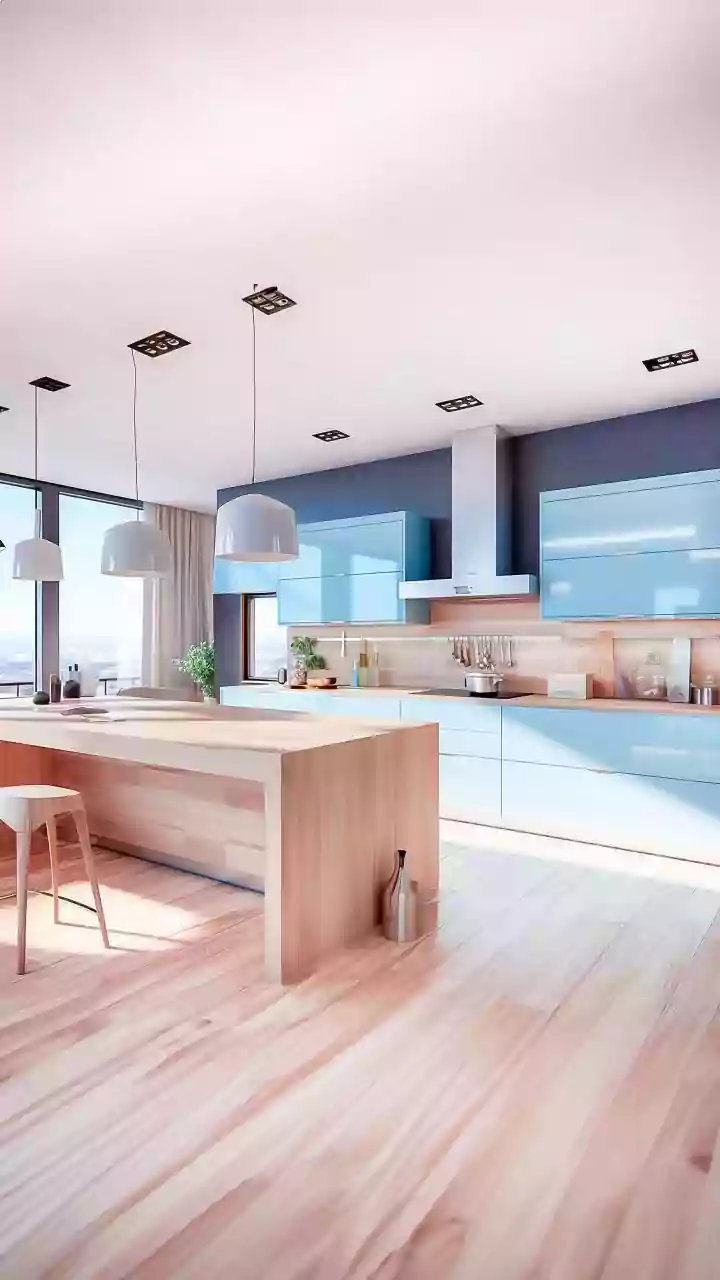
Ever wonder why a restaurant feels cozy and your home office feels sterile? It’s often the color temperature of the bulbs. Measured in Kelvins (K), this isn’t about the physical heat of the bulb, but the color it emits. A lower Kelvin number (around 2700K) produces a warm, yellow, candle-like glow perfect for living rooms, dens, and bedrooms—spaces where you want to relax. A higher Kelvin number (3000K-4000K) produces a cooler, crisper white light that’s better for kitchens, bathrooms, and home offices—spaces where you need to see clearly and feel energized. Swapping out your bulbs is one of the cheapest, highest-impact changes you can make. Just be sure to keep the temperature consistent within a single room for a cohesive look.
Put Everything on a Dimmer
If you do only one thing after reading this, put your lights on dimmers. All of them. A dimmer switch is the single most powerful tool for controlling the mood of a space. The light you need for cleaning on a Saturday morning is vastly different from the light you want for a dinner party that evening or a quiet movie night. Dimmers give you the flexibility to transition between those moods instantly. They turn a single light source into a multifunctional tool, allowing you to dial the ambient light down low and let your task and accent lamps create an intimate, layered glow. Installing a dimmer is a relatively simple and inexpensive job for an electrician (or a confident DIY-er), and it provides a level of control that no statement piece can ever match.