






Beyond the Mint on the Pillow
For years, luxury hotels have competed on the quality of their beds and the thread count of their sheets. But the emerging trend of 'sleep tourism' goes far beyond comfortable amenities. These aren't just trips where you happen to sleep well; they are meticulously
designed, multi-day experiences built entirely around improving your slumber. Forget jam-packed itineraries. The goal here isn't to see the sights—it's to reset your circadian rhythm. These programs often combine high-tech gear with ancient relaxation techniques, positioning a good night's rest not as a passive activity, but as the central focus of a wellness journey. Hotels and resorts are now appointing 'sleep concierges,' offering 'sleep menus,' and creating entire packages dedicated to diagnosing and treating the common ailments of the chronically tired.
A Response to the Great American Burnout
So, why now? This trend is a direct response to a society running on fumes. According to the CDC, more than a third of American adults are not getting enough sleep on a regular basis. The culprits are familiar: the blue light from our ever-present screens disrupting melatonin production, the glorification of 'hustle culture' that treats sleep as a weakness, and the persistent stress of modern life. The pandemic only amplified this, blurring the lines between work and home and leading to a collective reevaluation of what 'health' really means. People are no longer just looking for a temporary escape. They're seeking tangible solutions to chronic problems, and the hospitality industry is recognizing that one of the most valuable things they can sell isn't adventure, but deep, uninterrupted rest.
Inside a Sleep Sanctuary
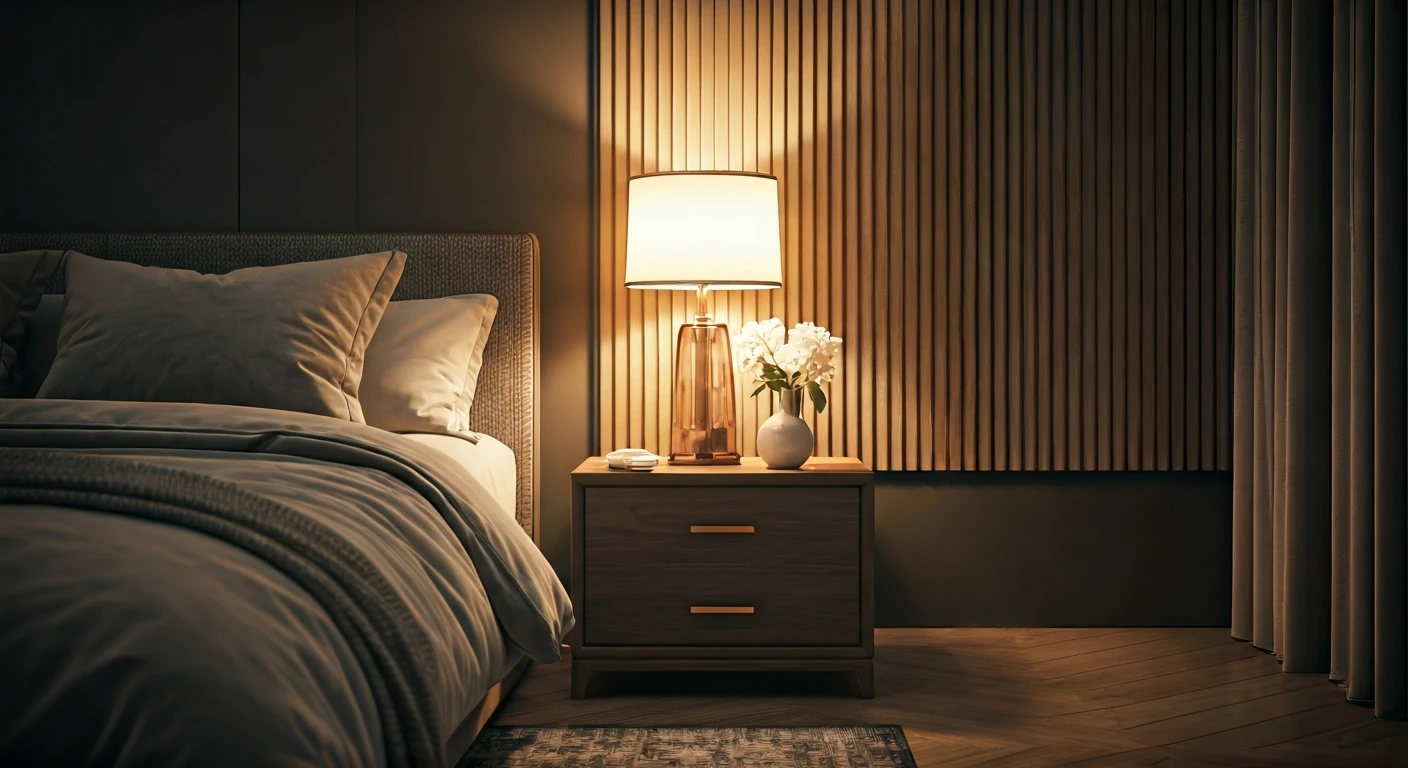
What does a sleep-focused vacation actually look like? It varies, but the offerings are surprisingly sophisticated. At the high end, places like New York’s Park Hyatt and London’s Cadogan Hotel have rolled out dedicated 'sleep suites.' These rooms feature AI-powered beds that adjust firmness and temperature throughout the night, advanced air purifiers, and blackout curtains that would make a vampire proud. The experience often starts with a consultation. A sleep expert might analyze your habits and provide a personalized plan. 'Pillow menus' offer options for every type of sleeper, from cooling gel to hypoallergenic down. You might find curated playlists of meditative soundscapes, aromatherapy diffusers with calming scents like lavender, and minibars stocked with chamomile tea and magnesium-rich snacks instead of whiskey and Pringles. Some resorts even offer workshops on breathwork, yoga nidra (a form of sleep-based meditation), and sessions with nutritionists to create a diet that promotes better rest.
The New Ultimate Luxury
Of course, this level of curated calm doesn't come cheap. These packages can add hundreds or even thousands of dollars to the cost of a stay, reframing sleep as a luxury commodity. It suggests a cultural shift where basic biological needs, once taken for granted, are now aspirational goals that can be purchased. While a high-tech sleep retreat may not be accessible to everyone, the trend signals a broader and more important conversation. It validates the idea that rest is not laziness; it's a fundamental pillar of physical and mental health. As the wellness industry continues to evolve, it's moving away from punishing workouts and restrictive diets toward a gentler, more restorative approach. And in a world that never stops moving, the most radical act of self-care might just be learning how to stand still and get a good night's sleep.