



A Mountain Range Reborn
First, let's set the stage. The Western Ghats are a chain of mountains running parallel to the western coast of the Indian peninsula. Older than the Himalayas, this UNESCO World Heritage site is one of the world's most important biodiversity hotspots,
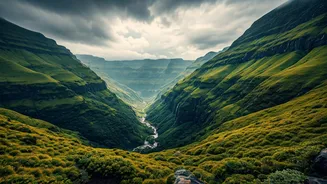
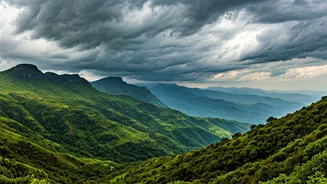
home to thousands of unique plant and animal species. For American travelers accustomed to the Rockies or the Appalachians, the Ghats offer a different kind of grandeur—a tropical, ancient presence teeming with life. But their true personality isn't revealed under the harsh sun of the dry season. The region's defining drama begins around June, when the southwest monsoon clouds, heavy with moisture from the Arabian Sea, make landfall. This isn't just a spring shower; it's a season-long spectacle that completely redraws the landscape.
The Arrival of the Rains
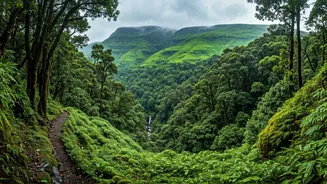
The transformation is a full-sensory experience. The first rains hitting the parched earth release a distinct, intoxicating fragrance known as petrichor—the smell of life returning. Dust settles, and a deep, vibrant green begins to creep over every hill and valley. What were dormant, brown hillsides erupt into a carpet of lush vegetation almost overnight. The air, once hot and hazy, becomes cool, misty, and clean. For locals, the monsoon is a vital, life-giving force that dictates the rhythm of agriculture and culture. For a visitor, it’s like stepping into a living, breathing watercolor painting. The constant, gentle drizzle or the sudden, intense downpour becomes the soundtrack to an entirely new world.
A Symphony of Waterfalls
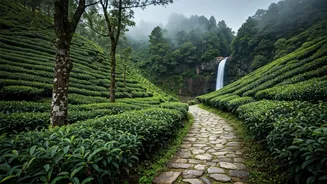
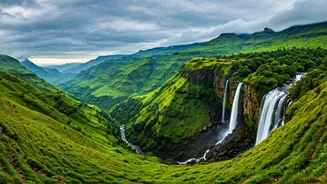
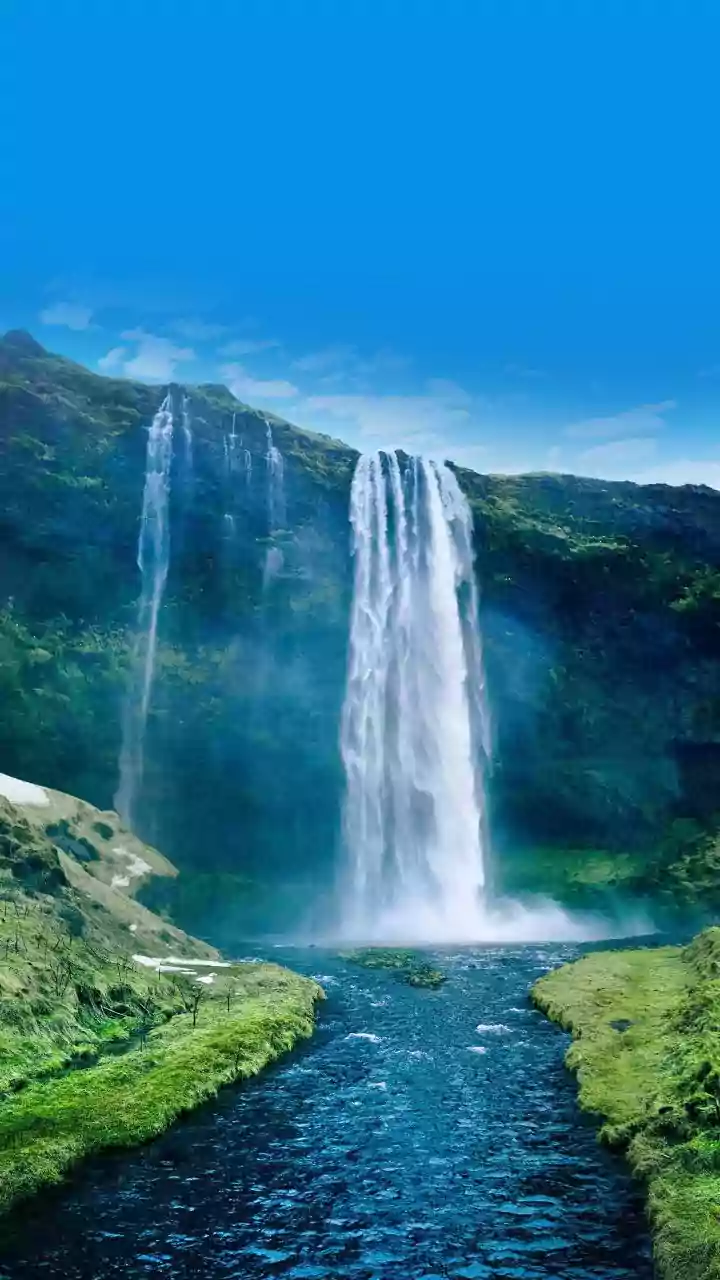
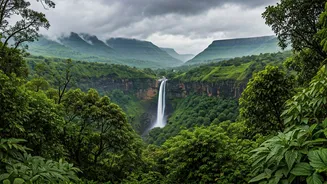
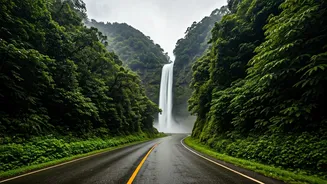
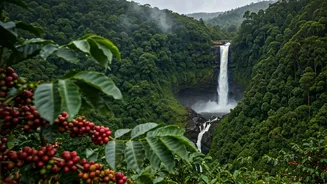
Perhaps the most spectacular effect of the monsoon is the sudden appearance of countless waterfalls. Streams that were mere trickles or completely dry for months swell into powerful, roaring cascades. They pour over sheer rock faces, cut through dense forests, and feed into surging rivers. Driving through the winding mountain roads of popular regions like Coorg in Karnataka or Munnar in Kerala, you'll find that every other turn reveals a new waterfall, some small and delicate, others vast and thunderous. This aquatic rebirth creates a dynamic, ever-changing landscape. The mists that frequently cloak the mountains will part for a moment to reveal a massive waterfall that wasn't visible before, only to swallow it again. It's this ephemeral, dramatic quality that gives the Ghats their monsoon “edge”—a beauty that is both powerful and fleeting.
The Verdant Tapestry
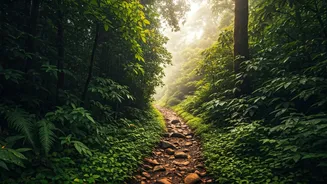
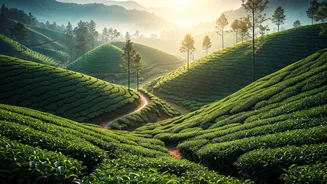
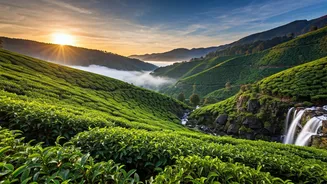
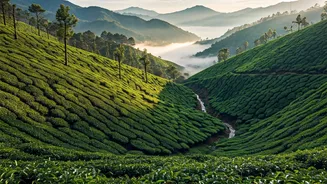
The green is overwhelming. The famous tea plantations that blanket the hills of Munnar and Wayanad take on a glossy, almost impossibly vibrant hue after being washed by the rains. The surrounding shola forests—patches of dense, tropical montane forest—become even more mysterious and impenetrable. The leaves of every tree drip with moisture, and the air is thick with the sounds of insects and frogs celebrating the abundance of water. This isn't the kind of vacation for sunbathing. It's for travelers who appreciate atmosphere. It's about sipping a hot cup of locally grown tea or coffee on a covered veranda while watching the clouds drift through the valley below. It's about taking a guided walk through the mist to a scenic viewpoint where the world seems to be made of only green hills and gray clouds.
Embracing the Season
Traveling during the monsoon does come with its own set of rules. You trade sunshine for atmosphere, and clear vistas for moody, mist-shrouded panoramas. While major roads are generally well-maintained, landslides can cause temporary disruptions. But the rewards are immense. This is technically the “off-season,” which means fewer crowds, more personal attention, and often lower prices at boutique hotels and homestays. It’s a chance to see a world-renowned natural wonder at its most potent and expressive. The monsoon doesn’t diminish the beauty of the Western Ghats; it unleashes it, creating a scenic edge that is wild, romantic, and utterly unforgettable.