



The Event as a Live-Action R&D Lab
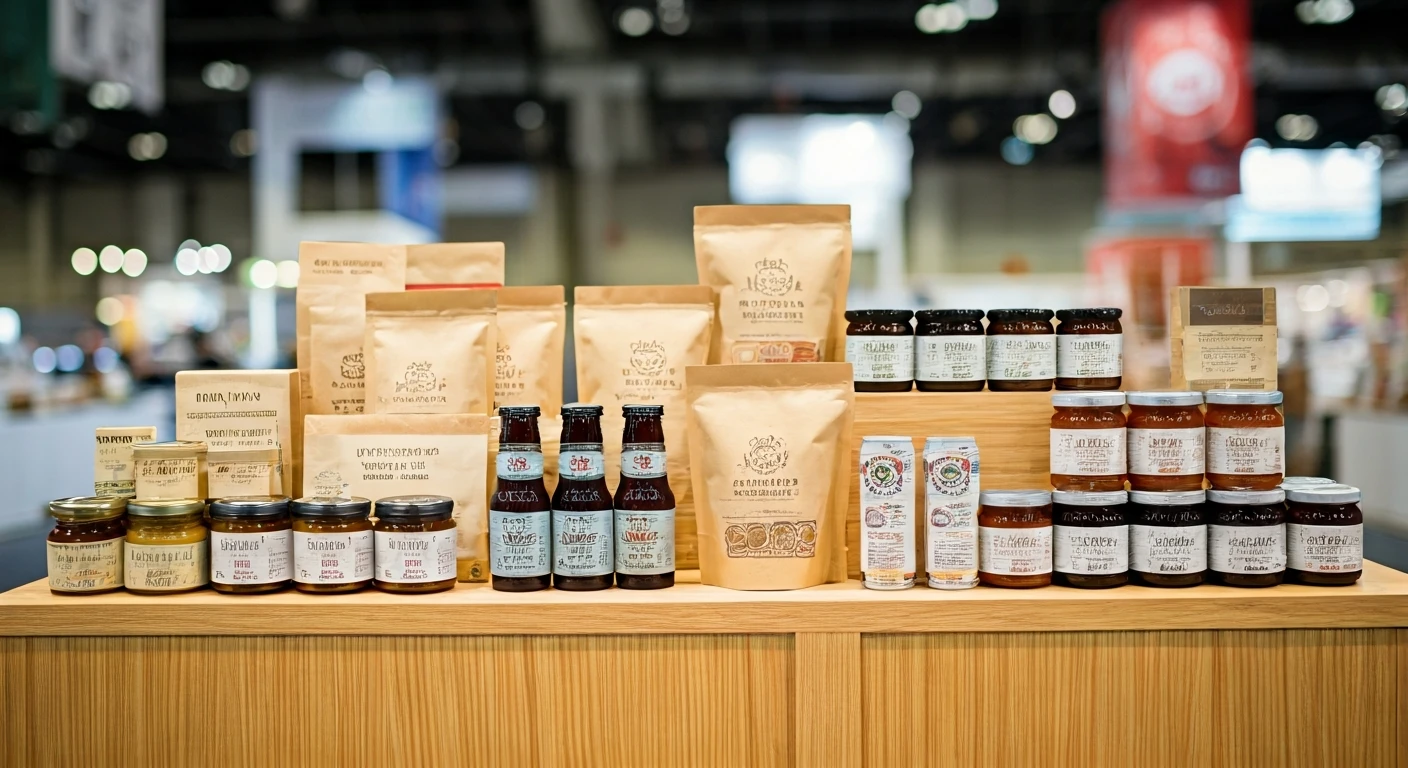
Forget focus groups behind two-way mirrors. For a new food startup, a three-day festival or a week-long conference is the ultimate, low-cost laboratory. Setting up a permanent retail location requires a massive investment in rent, staffing, and permits.
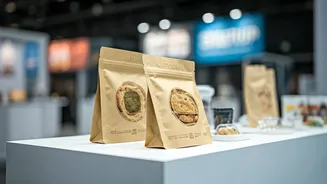
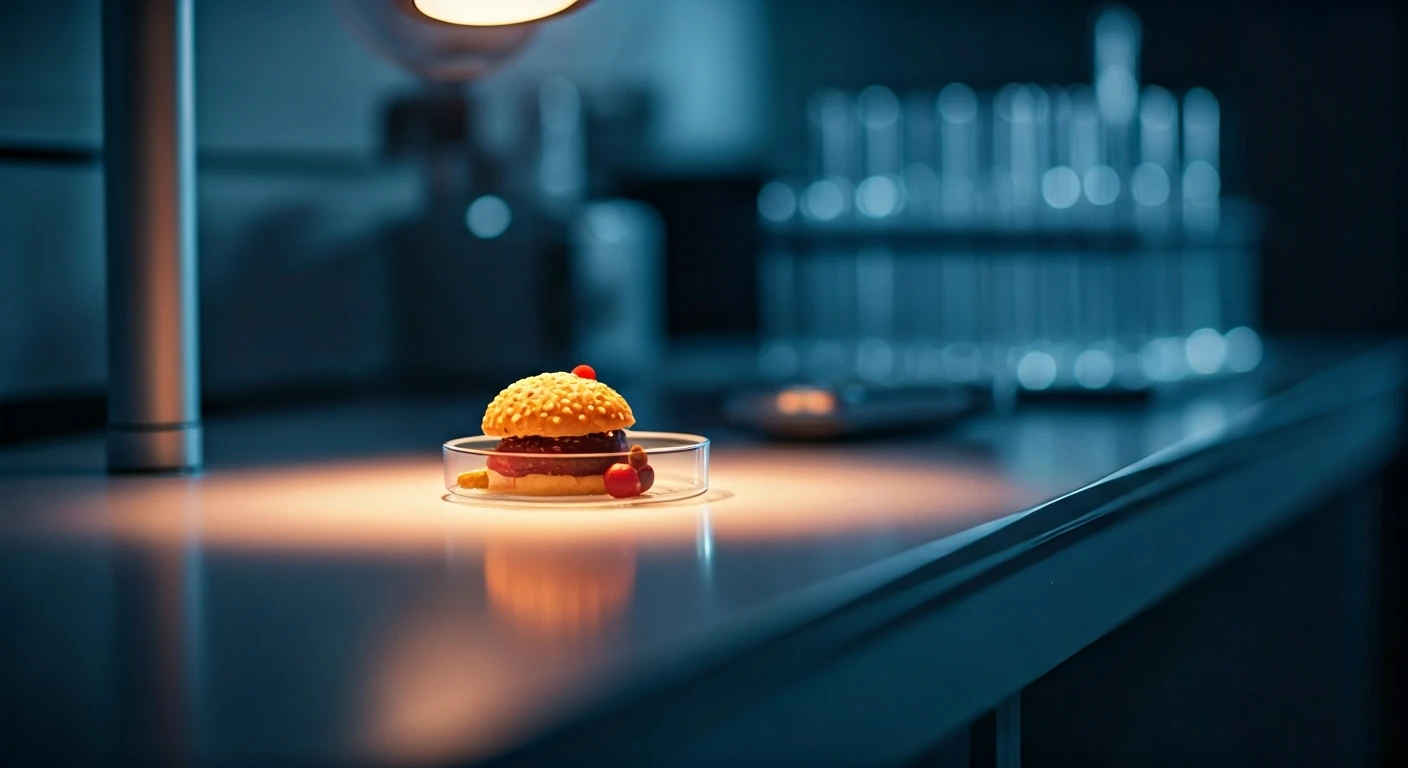
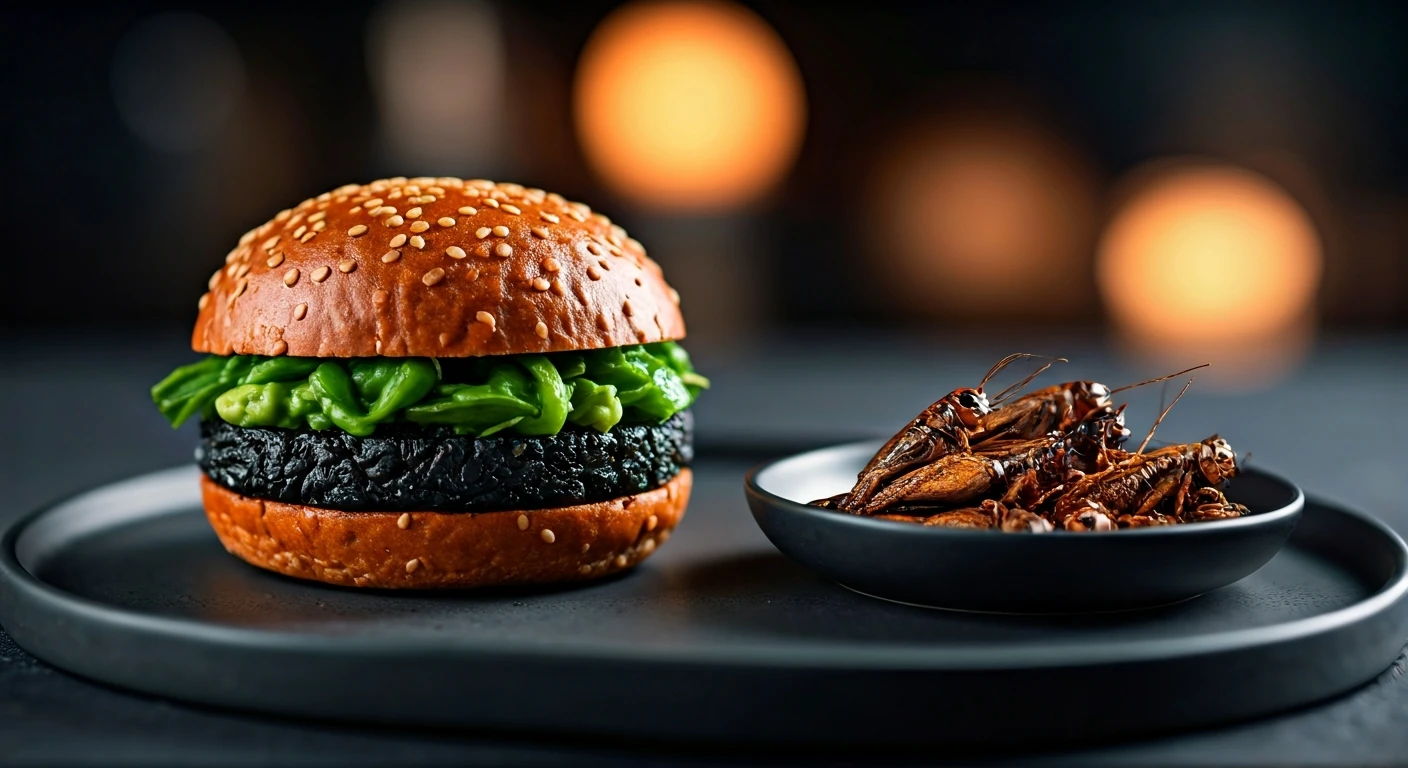
A pop-up stall, by contrast, is a short-term commitment with a built-in, concentrated audience. Here, startups can test everything from a radical new ingredient, like lab-grown meat or algae flour, to a specific price point. They get immediate, unfiltered feedback on taste, texture, and branding from thousands of potential customers. If a kelp-based jerky doesn't sell, the financial loss is minimal compared to a failed product launch in grocery stores nationwide. This lean approach allows for rapid iteration—the recipe that flops on Friday can be tweaked and improved by Sunday morning.
Courting the Curious Consumer
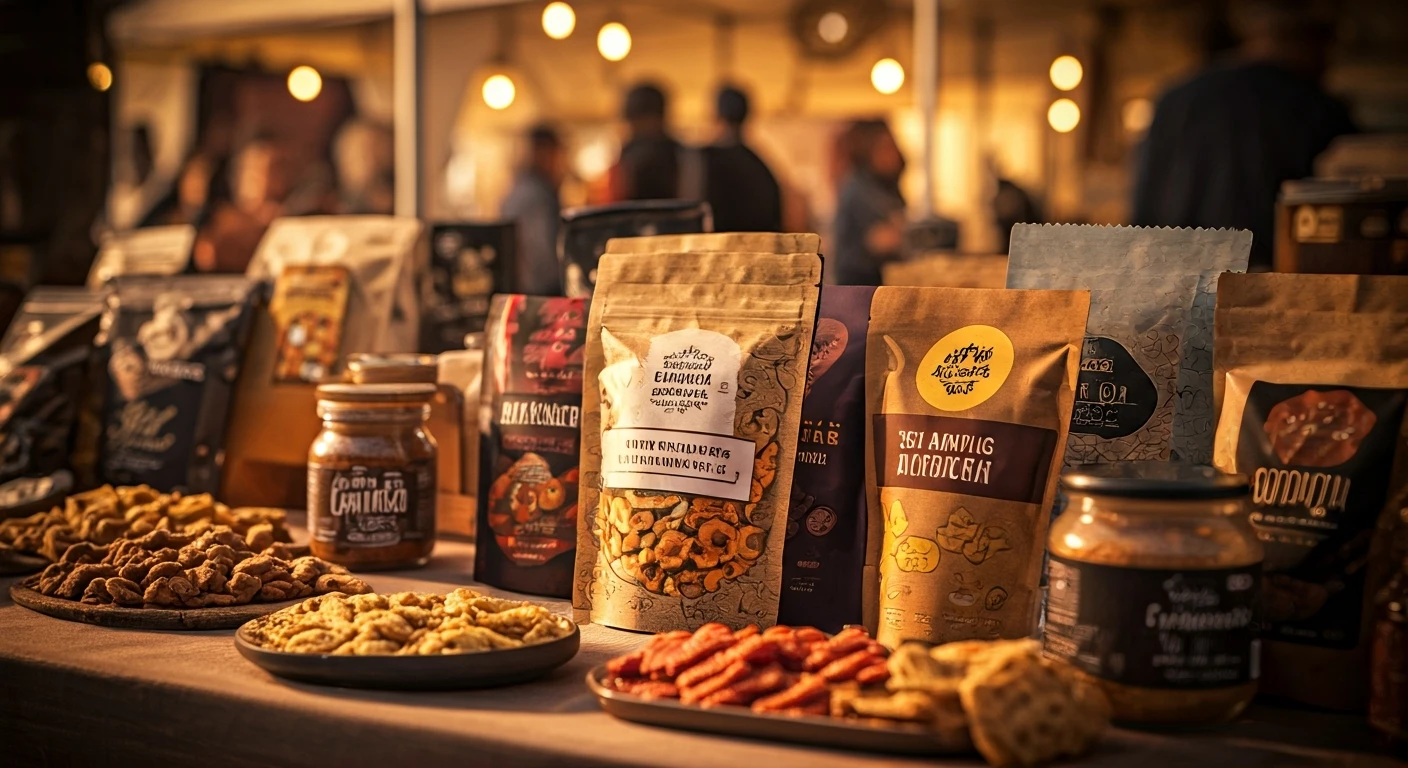
The people who attend music festivals, wellness retreats, and industry conferences are not your average grocery shoppers. They are often early adopters, actively seeking new experiences and eager to discover “the next big thing.” This mindset makes them the perfect test subjects for a product that might seem strange or intimidating in a conventional supermarket aisle. A consumer who pays for a ticket to an event like SXSW or Coachella has already bought into a culture of discovery. They’re primed to be adventurous. Offering them a free sample of a plant-based egg substitute or a nutrient-dense “functional” soda isn’t a risk; it’s an opportunity to connect with a consumer who values novelty and boasts about their finds on social media. This audience is not just willing to try something new—they expect to.
The Instagrammable Marketing Machine
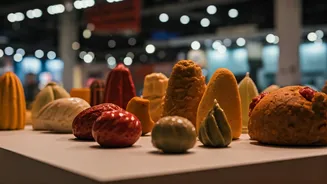
In the modern marketing landscape, a picture is worth a thousand data points. A truly novel food item—whether it’s shockingly colorful, strangely shaped, or made from an unheard-of ingredient—is practically designed to be photographed and shared. Every time a festival-goer posts a picture of their charcoal-infused ice cream or 3D-printed candy, the startup behind it gets a free, authentic marketing impression. This user-generated content functions as a powerful, peer-to-peer endorsement that paid advertising can rarely replicate. The buzz builds organically. This isn't just about selling a few hundred units on-site; it’s about creating a digital footprint and a narrative that can be used to attract investors, media attention, and future retail partners. The “menu risk” is the bait, and the viral social media post is the catch.
De-Risking for the Big Leagues
Ultimately, the goal for most of these startups isn’t to be a permanent fixture on the festival circuit. It’s to land a coveted spot on the shelves of Whole Foods, Target, or Kroger. But major retailers are notoriously risk-averse. They need proof that a new product has a viable market before they’ll dedicate precious shelf space to it. This is where the event strategy pays off. A startup can approach a retail buyer not just with a product, but with a compelling story backed by data. They can say, “We sold 5,000 units at a wellness expo in California, generated 10,000 Instagram mentions, and 85% of customers who sampled our product said they’d buy it.” This track record transforms a “risky” new product into a proven seller, dramatically lowering the barrier to entry for mainstream retail and turning a small-scale experiment into a national brand.