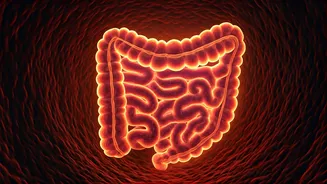









More Than Just Digestion
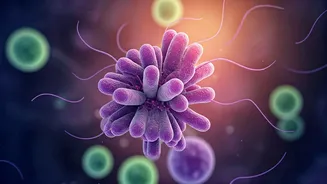
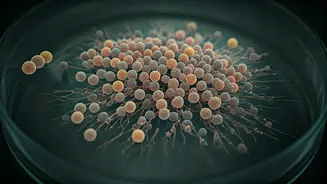
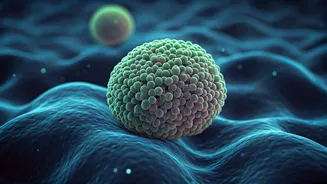
For decades, “gut health” was a conversation about regularity and indigestion. Today, it’s about the microbiome: the trillions of bacteria, fungi, and other microbes living in your digestive tract. Scientists have uncovered that this internal ecosystem
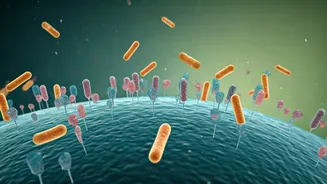
doesn't just help you digest your lunch; it plays a critical role in a vast range of bodily functions. This community of microbes helps produce essential vitamins, regulates your immune system, and protects against disease-causing bacteria. The modern understanding has shifted from viewing the gut as a simple plumbing system to seeing it as a complex and vital command center for overall health, which is a major reason it's captured our collective attention.
The Mind-Gut Connection Goes Mainstream
Perhaps the most compelling driver of the gut health trend is the growing understanding of the “gut-brain axis.” This is the two-way communication highway between your digestive system and your brain. Have you ever felt “butterflies in your stomach” when nervous? That’s the gut-brain axis in action. Research now suggests this connection is far deeper, linking gut health to mood, mental clarity, and even conditions like anxiety and depression. A significant portion of serotonin, a key neurotransmitter for regulating mood, is produced in the gut. As mental wellness becomes a bigger priority for Americans, the idea that you can influence your mind by nurturing your gut has become an empowering and popular concept.
A Post-Pandemic Wellness Awakening
The COVID-19 pandemic forced a global reckoning with health and immunity. In its wake, there has been a significant cultural shift toward proactive, preventative wellness. Instead of waiting to get sick, people are actively seeking ways to fortify their bodies. Since an estimated 70% of the immune system resides in the gut, it became a logical focal point. This desire for control in an uncertain world made gut health an attractive area for personal investment. People felt they could take tangible action—by changing their diet, taking probiotics, or drinking fermented beverages—to support their body’s defenses, making them feel more resilient and empowered.
The Rise of #GutTok and Influencers
Science may be the foundation, but social media is the accelerator. Platforms like TikTok and Instagram are flooded with wellness influencers sharing their gut health journeys. Hashtags like #GutTok have billions of views, featuring everything from “what I eat in a day for a healthy gut” to personal stories of overcoming bloating and fatigue. While this has democratized health information and destigmatized digestive issues, it also creates a minefield of misinformation. Compelling anecdotes often get more traction than peer-reviewed science, and quick-fix solutions are promoted over sustainable lifestyle changes. This digital firehose of content is undeniably a primary reason the topic feels so ubiquitous *right now*.
The Billion-Dollar Business of Bacteria
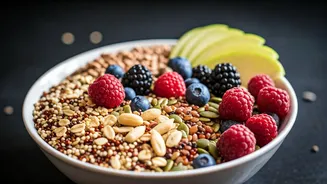
Where there is consumer interest, a market will follow. The gut health boom has fueled a multi-billion dollar industry. Supermarket shelves are now heavy with products fortified with probiotics and prebiotics, from yogurt and kefir to sodas and cereals. The supplement market for gut-friendly products is massive, with countless brands promising to balance your microbiome for better health, skin, and mood. This commercial ecosystem reinforces the trend, with marketing dollars ensuring that the message—that your gut is the key to well-being—is one you hear constantly.